Crafting an immersive environment at home is more than just decorating; it’s about designing spaces that deeply engage your senses and emotions. This guide explores the multifaceted aspects of creating such spaces, from understanding the fundamental principles of immersion to practical considerations for budget, space, and diverse needs.
We will delve into sensory experiences, spatial design, technological integration, thematic immersion, and practical challenges, providing a holistic approach to achieving a truly immersive home environment. Whether you’re a gamer, reader, or creative individual, this guide offers actionable strategies to transform your living space into a personalized sanctuary.
Defining Immersion Environments
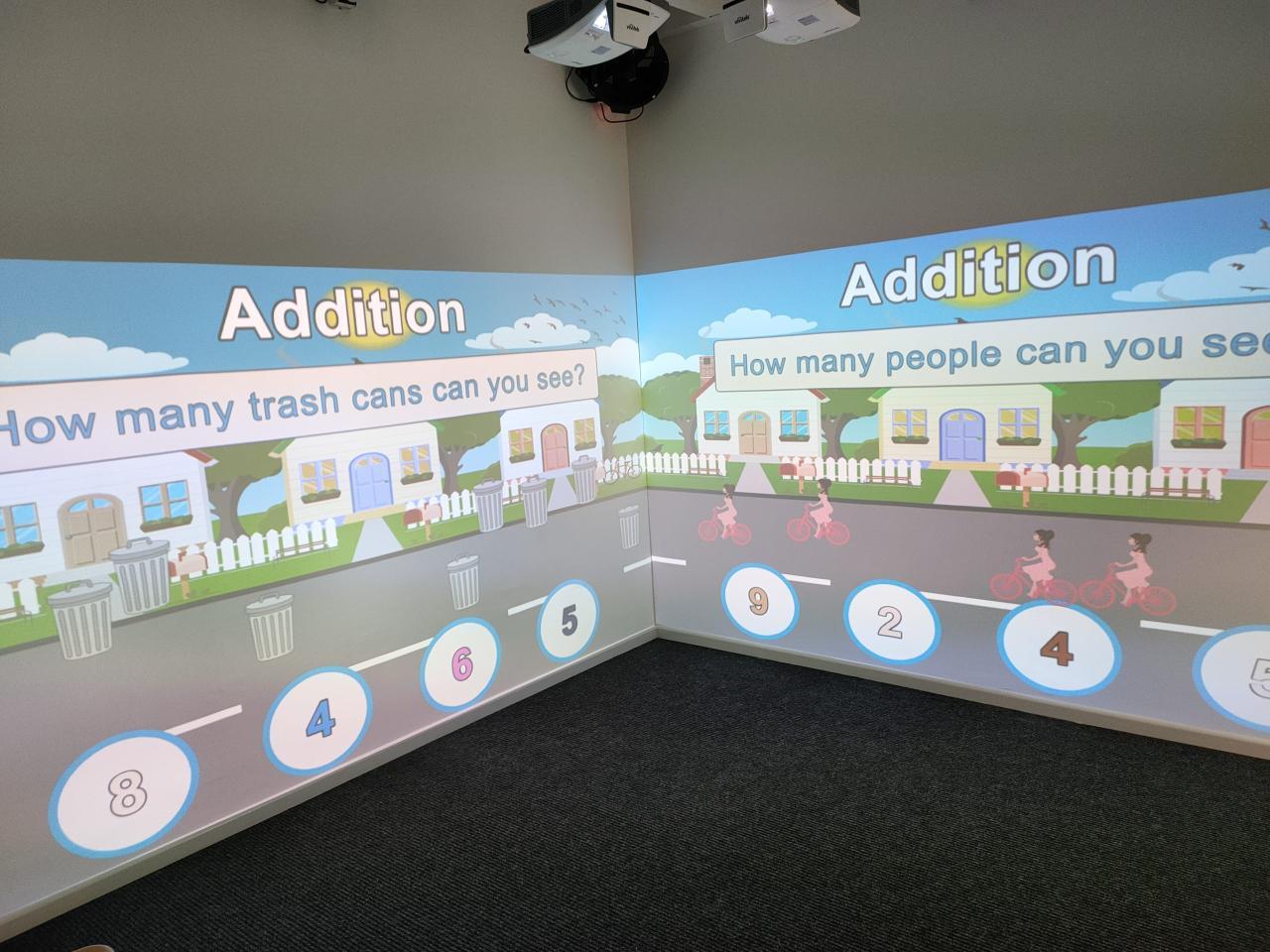
An immersion environment, in the context of home spaces, is a carefully designed space that aims to transport the user into a different experience, whether it be a fictional world, a state of focus, or a feeling of escape. It goes beyond a simple room; it’s a carefully curated atmosphere that engages multiple senses and promotes a sense of presence.
This is in contrast to a typical home environment, which is often more adaptable and multi-functional.Key distinctions between an immersive environment and a typical home environment lie in the deliberate design choices, such as the use of specific colors, textures, and lighting, and in the careful selection of sensory inputs. This intentional design fosters a heightened sense of presence and engagement that is often missing in a more general home space.
Psychological and Sensory Aspects of Immersion
Immersion environments are designed to evoke specific emotional responses and cognitive states in the user. The psychological aspects focus on creating a feeling of presence and escape. This can be achieved through sensory stimulation, including lighting, soundscapes, and even scent. A well-designed environment can enhance focus, creativity, or relaxation, depending on the intended purpose. Furthermore, sensory aspects such as sight, sound, touch, and smell can be strategically used to further enhance the experience.
Types of Immersion Environments
Different types of immersion environments cater to various needs and preferences. These spaces can be designed to facilitate specific activities, such as gaming, reading, or creative pursuits.
| Type of Immersion Environment | Key Characteristics | Sensory Focus | Psychological Impact |
|---|---|---|---|
| Gaming | Immersive gaming spaces are often designed with specific elements to enhance the player’s experience, such as high-quality visuals, realistic sound effects, and interactive elements. | Visual, auditory, haptic (e.g., through controllers) | Engagement, excitement, and a sense of being transported to a different world. |
| Reading | A reading nook or library-style space can use soft lighting, comfortable seating, and calming colors to create an atmosphere conducive to concentration and absorption in the text. | Visual (lighting, color), auditory (ambient sounds), tactile (comfort of seating) | Relaxation, focus, and a deep engagement with the narrative. |
| Creative | Creative spaces, such as art studios or music rooms, are designed to encourage inspiration and flow. This might involve elements such as natural light, open spaces, and materials that stimulate creativity. | Visual (natural light), tactile (materials), auditory (music or ambient sounds) | Inspiration, flow, and a sense of creative freedom. |
Spatial Design and Layout
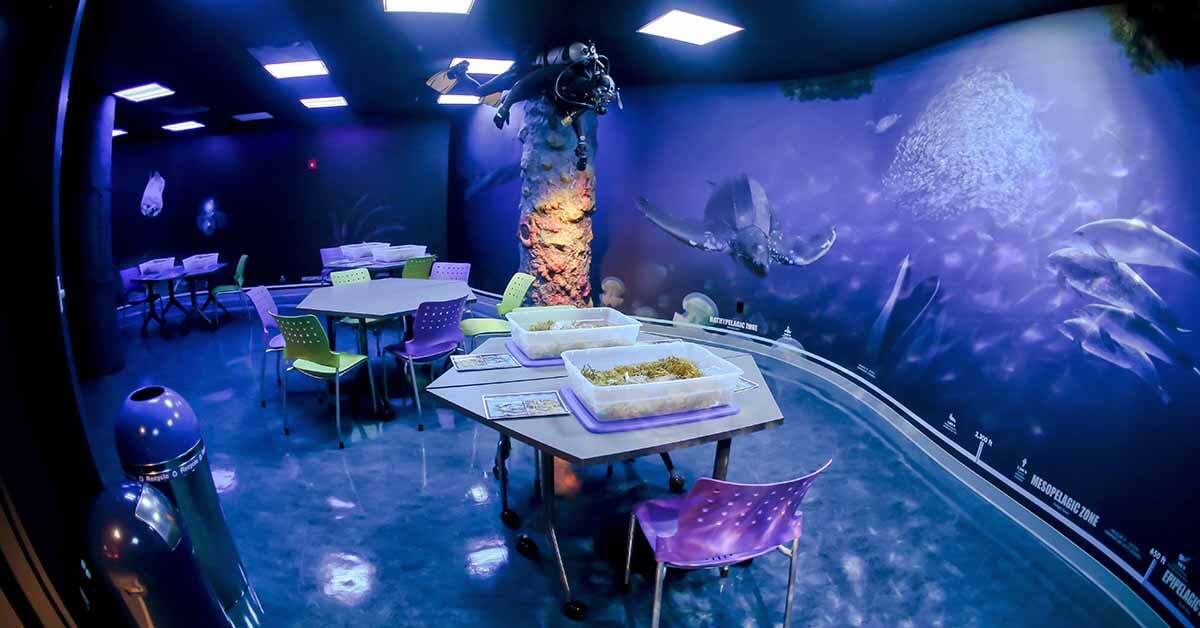
Creating an immersive environment at home extends beyond just the technology; the physical space plays a crucial role in enhancing the sense of presence and engagement. Careful consideration of spatial design, including room size, shape, and furniture arrangement, can significantly impact the user’s experience. Effective spatial design can transform a standard room into a captivating and personalized environment.Spatial design is a crucial component in achieving a sense of immersion.
A thoughtfully designed space can effectively guide the user’s focus and engagement within the chosen experience, fostering a more profound and memorable interaction. The interplay between physical layout and the digital content is key to optimizing the immersion effect.
Room Size and Shape
Room dimensions directly affect the perceived immersion level. A smaller room can foster a more intimate and contained experience, while a larger space can offer a sense of grandeur and openness. The shape of the room also influences immersion, with rectangular rooms often lending themselves to a more linear experience, and irregular shapes capable of creating more dynamic and engaging spaces.
Consideration of the room’s dimensions and shape can significantly impact the overall immersive experience.
Furniture and Decor Arrangement
The arrangement of furniture and decor within the space is essential for maximizing immersion. Strategically placed furniture can define distinct zones for different activities, encouraging focused engagement within the chosen experience. A thoughtful arrangement of furniture can not only enhance immersion but also create a visually appealing and engaging environment. Choosing furnishings that complement the desired atmosphere, and integrating them seamlessly into the space, contributes to a more immersive experience.
The arrangement can also be adjusted to support different activities and moods, catering to the user’s needs and preferences.
Examples of Immersive Spatial Layouts
Different activities necessitate unique spatial configurations to achieve the best immersion. For virtual gaming, a dedicated gaming zone with comfortable seating, optimized lighting, and strategic placement of displays or monitors can elevate the experience. For virtual reality experiences, a dedicated space with minimal distractions and a clear line of sight to the VR headset is paramount. For home movie theaters, the layout should prioritize a large screen, comfortable seating, and a darkened environment to maximize the viewing experience.
Spatial Configurations and Their Impact on Immersion
| Spatial Configuration | Impact on Immersion | Suitable Activities |
|---|---|---|
| Dedicated Gaming Zone | Enhances focus and engagement, creating a dedicated space for gaming activities. | Virtual Reality gaming, Online multiplayer games, PC gaming |
| Home Theater | Creates a cinematic experience, enhancing the viewer’s sense of presence and immersion. | Watching movies, Virtual movie experiences, interactive cinema. |
| VR Experience Room | Minimizes distractions, enhancing user presence within the virtual world. | Virtual Reality experiences, 3D modeling, Virtual tours |
| Multi-functional Space | Allows for flexibility and adaptability, supporting a variety of activities within a single space. | Virtual reality experiences, interactive storytelling, online learning. |
Technological Integration
Enhancing immersion at home often hinges on strategic technological integration. The right tools can transform a simple room into a captivating experience, allowing users to interact with and become enveloped in virtual or augmented realities. This section explores the diverse technologies that can contribute to a more immersive home environment, highlighting their potential benefits and drawbacks.
Different Technologies for Enhanced Immersion
Various technologies can elevate the immersive experience within a home setting. These range from readily available options like high-quality displays and projectors to more specialized equipment like virtual reality (VR) and augmented reality (AR) headsets. The selection of technology should align with the desired level of immersion and the user’s budget and technical expertise.
- Virtual Reality (VR): VR systems use headsets that create a fully immersive virtual world, effectively transporting users to another location or scenario. This technology provides a complete sensory experience by blocking out the real world and replacing it with a computer-generated environment.
- Augmented Reality (AR): AR overlays digital information onto the real world, augmenting the user’s perception of their surroundings. Applications include interactive games, educational tools, and even architectural visualizations overlaid onto existing spaces.
- Projection Mapping: Projection mapping involves projecting images and animations onto surfaces within the home environment, transforming ordinary objects and walls into dynamic displays. This technology can create a sense of depth and movement, especially when combined with other immersive techniques.
- Interactive Displays and Touchscreens: Advanced displays and touchscreens allow users to interact with the immersive environment in more intuitive ways, facilitating exploration and control. The user experience is significantly enhanced with these types of interactive surfaces.
Virtual Reality (VR) Examples
VR technology can be employed in numerous ways to foster immersive experiences. For example, a user could be transported to a historical battlefield, explore the depths of the ocean, or even rehearse a surgical procedure within a simulated environment. These experiences offer the potential for education, entertainment, and even professional training.
Augmented Reality (AR) Examples
AR can be used to add interactive elements to existing spaces. A homeowner might use AR to visualize furniture placement in a room before purchasing it, or an architect might use AR to present architectural models in a realistic setting. Similarly, AR can be used to overlay educational information onto real-world objects, making learning more engaging.
Projection Mapping Examples
Projection mapping offers dynamic possibilities for transforming home environments. By projecting images and animations onto walls, furniture, or even the floor, it can create immersive and engaging displays. Imagine projecting a night sky onto the ceiling of a bedroom or transforming a wall into a virtual gallery.
Potential Benefits and Drawbacks
Immersive technologies hold great promise for enhancing the home environment, but they also present some challenges. The benefits include increased engagement, improved learning opportunities, and a heightened sense of realism. However, drawbacks include the potential for motion sickness with VR, the need for specialized equipment, and the potential for social isolation if not used judiciously. Cost is another consideration, as some technologies can be expensive to implement.
Setting Up a Basic VR or AR System
Setting up a basic VR system involves purchasing a VR headset and a compatible computer or gaming console. Proper installation of the software and careful calibration of the headset are crucial to ensuring a comfortable and effective experience. AR systems typically involve smartphones or tablets with AR applications. In both cases, the initial setup may require some technical know-how.
Comparison of Technological Approaches
| Technology | Description | Pros | Cons |
|---|---|---|---|
| Virtual Reality (VR) | Fully immersive virtual environments | Highly engaging, educational potential | Potential for motion sickness, expensive |
| Augmented Reality (AR) | Augments the real world with digital information | Interactive, cost-effective | Requires compatible devices, limited immersion |
| Projection Mapping | Projects images and animations onto surfaces | Visually engaging, adaptable | Requires specialized equipment, potentially disruptive |
Thematic and Cultural Immersion
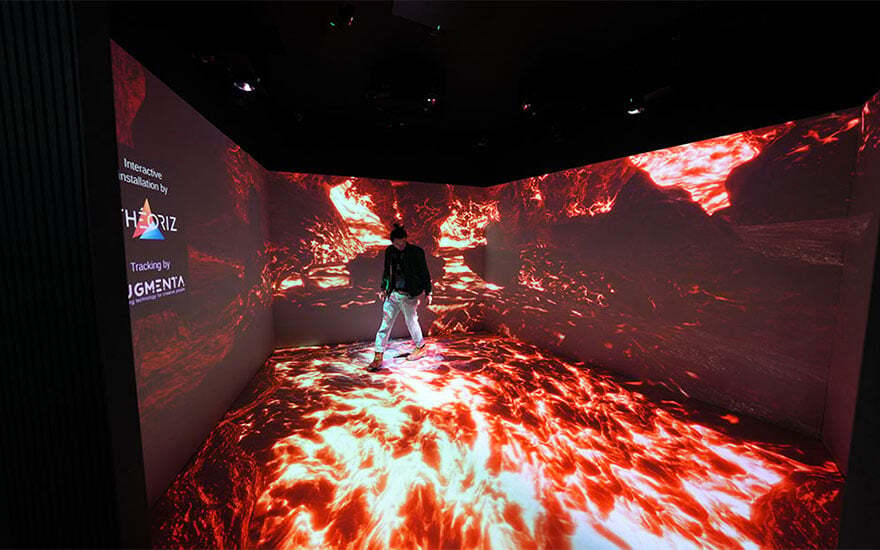
Creating an immersive environment at home extends beyond basic spatial design and technological integration. A truly engaging experience necessitates the incorporation of thematic and cultural elements. This allows for a deeper connection with the chosen subject, fostering a more profound and personalized experience. By thoughtfully incorporating themes and cultural artifacts, the space transcends a mere collection of objects, evolving into a dynamic and evocative representation of a particular time, place, or interest.Thematic and cultural immersion is achieved by carefully selecting and arranging elements that evoke a specific mood or atmosphere.
This involves understanding the visual, auditory, and even olfactory cues associated with the chosen theme or culture. This approach fosters a strong emotional connection with the space, enhancing the overall immersive experience.
Incorporating Themes and Cultural Elements
A key aspect of thematic immersion is selecting a core theme or cultural context to guide the design. Whether it’s a 1920s jazz club, a traditional Japanese teahouse, or a futuristic space station, a clear theme establishes the foundation for the entire design. This theme serves as a guiding principle for all subsequent design choices, ensuring a consistent and cohesive atmosphere.
Evoking Mood and Atmosphere
The atmosphere of the space is critical to the overall immersion experience. Color palettes, lighting, and sound design play a significant role in establishing the desired mood. A dimly lit, warmly colored room with the soft sounds of classical music might evoke a sense of Victorian elegance, whereas a brightly lit, vibrant space with upbeat music could convey a bustling marketplace.
Careful consideration of these elements creates a specific and compelling atmosphere that fully supports the chosen theme.
Reflecting a Particular Era, Genre, or Interest
Reproducing the aesthetic of a specific era, genre, or interest requires careful research and attention to detail. For example, recreating a 1950s diner involves incorporating specific design elements, such as diner-style booths, chrome accents, and vintage signage. Similarly, creating a fantasy-themed room might involve incorporating elements such as tapestries, illuminated bookcases, and strategically placed glowing artifacts. Accurate representation of the chosen theme significantly enhances the immersive experience.
Cultural Artifacts and Objects
Incorporating cultural artifacts or objects is a powerful method of evoking immersion. Authentic or meticulously replicated items can instantly transport the viewer to a specific time and place. For instance, displaying traditional Japanese pottery, authentic Native American baskets, or vintage posters from a specific historical period adds depth and authenticity to the themed environment.
Material Selection and Techniques
Crafting a themed space involves thoughtful material selection and application of specific techniques. Using textures, patterns, and colors associated with the theme adds depth and authenticity. For example, the use of aged wood, distressed fabrics, and warm lighting can effectively create a sense of antiquity. In contrast, sleek metals, bold colors, and modern lighting can create a futuristic or contemporary ambiance.
Experimenting with different textures and materials will significantly enhance the visual appeal and immersive qualities of the space.
Practical Considerations and Challenges
Creating a truly immersive environment at home requires careful planning and consideration of various practical factors. Budget limitations, individual preferences, space constraints, and the need for long-term maintenance are all important elements to address proactively. A well-structured approach to these challenges can significantly enhance the overall experience and ensure the immersion environment remains engaging over time.
Budget Constraints
Managing a budget effectively is crucial for achieving a successful immersive environment. Prioritizing elements and strategically allocating funds are key to avoiding financial strain. For example, a high-end VR headset may not be necessary for a satisfactory experience. Instead, exploring more affordable options like dedicated PC hardware or accessible VR experiences can yield equally compelling results.
- Prioritize essential elements:
- Explore budget-friendly alternatives for hardware and software.
- Look for deals, discounts, and bundle packages to reduce costs.
- Consider DIY solutions or repurposing existing items to minimize expenses.
Accommodating Diverse Needs and Preferences
An immersive environment should cater to the varied interests and needs of all inhabitants. Understanding and respecting individual preferences is paramount. Incorporating personalized elements into the space can enhance the user experience for each member of the household.
- Understand the range of preferences among users.
- Allow for personalization within the environment.
- Provide multiple entry points for different interests and experiences.
- Consider diverse learning styles and preferences.
Overcoming Space Limitations
Limited space can be a significant hurdle in creating a dedicated immersive environment. However, creative solutions can transform even small areas into engaging spaces. Multi-functional furniture and modular designs can be instrumental in maximizing the use of available space. Vertical space can also be utilized for shelving, displays, and other immersive elements.
- Employ multi-functional furniture to maximize space.
- Consider modular designs that adapt to changing needs.
- Utilize vertical space for storage and display.
- Explore compact and lightweight equipment options.
Maintaining Immersion Over Time
Maintaining the immersive experience requires proactive measures. Regular updates, maintenance of equipment, and ongoing engagement with the environment are vital. Regular updates to software and hardware can keep the experience fresh. The addition of new content and experiences can also help to sustain the immersive environment’s appeal over time.
- Regular updates to software and hardware.
- Maintaining the equipment in optimal condition.
- Adding new content and experiences to keep the environment fresh.
- Encouraging user interaction and exploration.
Potential Issues and Solutions
| Potential Issue | Possible Solution |
|---|---|
| Budget constraints | Prioritize, explore affordable alternatives, seek deals, consider DIY solutions. |
| Diverse needs and preferences | Understand preferences, allow personalization, provide multiple entry points, accommodate diverse learning styles. |
| Space limitations | Multi-functional furniture, modular designs, vertical space utilization, compact equipment. |
| Maintaining immersion | Regular updates, equipment maintenance, new content, encourage user interaction. |
Example Immersive Environments
Creating immersive environments at home allows for tailored experiences catering to diverse interests and needs. These environments transcend the ordinary, transforming everyday spaces into captivating realms that engage multiple senses and evoke desired moods. By thoughtfully combining design elements, technology, and thematic choices, individuals can cultivate personal sanctuaries that foster relaxation, creativity, or entertainment.
Home Theater
A well-designed home theater immerses viewers in a cinematic experience. Key design choices focus on maximizing audio and visual impact. A dedicated room, ideally with acoustic treatments, enhances sound quality. Dark colors and minimal distractions contribute to the sense of isolation and immersion. High-resolution displays, such as large-screen televisions or projectors, coupled with surround sound systems, further enhance the realism of the viewing experience.
Sensory elements, such as comfortable seating, strategically placed lighting, and perhaps even a popcorn machine, heighten the overall immersive atmosphere. The atmosphere evoked is one of captivating escapism and entertainment, allowing viewers to lose themselves in the narrative and visuals presented on the screen.
Reading Nook
A reading nook fosters a serene and contemplative environment. Careful consideration of lighting, furniture, and color palettes is crucial. Soft, ambient lighting, such as warm-toned lamps, promotes relaxation and creates a calming atmosphere. Comfy seating, such as a plush armchair or a cozy reading chair, encourages prolonged engagement with the chosen literary work. The careful selection of textures, such as soft blankets or patterned rugs, further contributes to the sensory experience.
Bookshelves, filled with a curated collection of books, visually enhance the atmosphere. The mood evoked is one of tranquility and intellectual exploration, ideal for quiet contemplation and personal growth.
Creative Studio
A creative studio fosters inspiration and focus for artistic endeavors. The design emphasizes flexibility and adaptability to suit various creative activities. Open spaces with ample natural light promote a sense of freedom and creativity. Ergonomic furniture tailored to the needs of the creative process supports sustained engagement. Tools and supplies are organized to be easily accessible, encouraging quick transitions between tasks.
Technological integration can include digital art tools, high-quality lighting, and sound systems for music or audio inspiration. The atmosphere evoked is one of vibrant creativity, empowering individuals to express themselves freely through their chosen artistic medium.
Summary Table
| Immersive Environment | Design Choices | Technological Applications | Sensory Elements | Atmosphere/Mood |
|---|---|---|---|---|
| Home Theater | Dedicated room, acoustic treatments, dark colors, comfortable seating | High-resolution display, surround sound system | Comfortable seating, lighting, popcorn machine | Captivating escapism, entertainment |
| Reading Nook | Soft lighting, comfortable seating, curated bookshelves, soft textures | None (or minimal, like a reading lamp) | Soft lighting, comfortable seating, soft blankets/rugs | Tranquility, intellectual exploration |
| Creative Studio | Open space, natural light, ergonomic furniture, organized storage | Digital art tools, high-quality lighting, sound systems | Natural light, ergonomic furniture, organized supplies | Vibrant creativity, free expression |
Ending Remarks
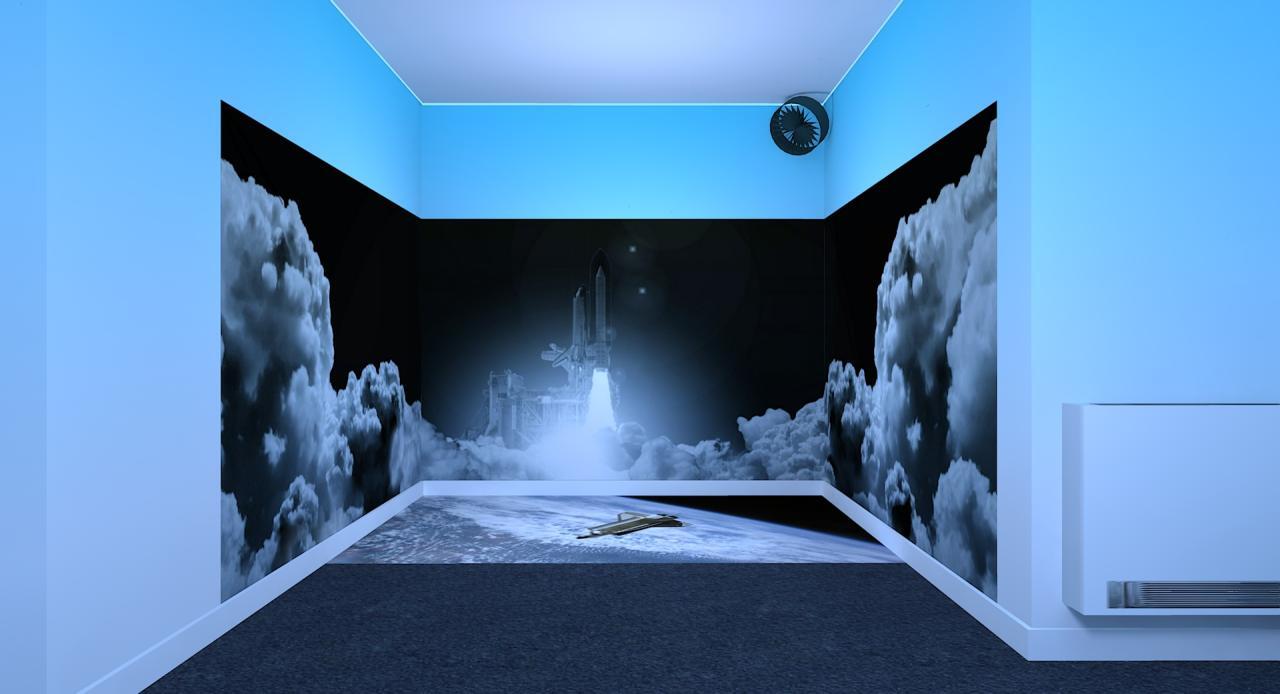
In conclusion, creating an immersive environment at home is a deeply personal journey that blends design principles, technological advancements, and thoughtful consideration of individual needs and preferences. By understanding and applying the strategies Artikeld in this guide, you can transform your home into a space that fosters relaxation, inspiration, and engagement, enriching your daily life in meaningful ways. This journey into sensory and spatial design provides tools for creating an immersive space to suit diverse activities and interests.