Crafting a personalized language learning roadmap is crucial for effective and enjoyable progress. This detailed guide explores the essential steps to design a tailored learning journey, from defining specific goals to incorporating engaging techniques and tracking progress. It emphasizes the importance of understanding individual learning styles and preferences to maximize results.
This roadmap will walk you through the process of setting SMART goals, assessing your current language skills, selecting appropriate resources, and creating a structured study plan. Furthermore, it will cover the vital elements of active recall, consistent practice, and adapting your learning plan based on your progress and feedback.
Defining the Learning Goals
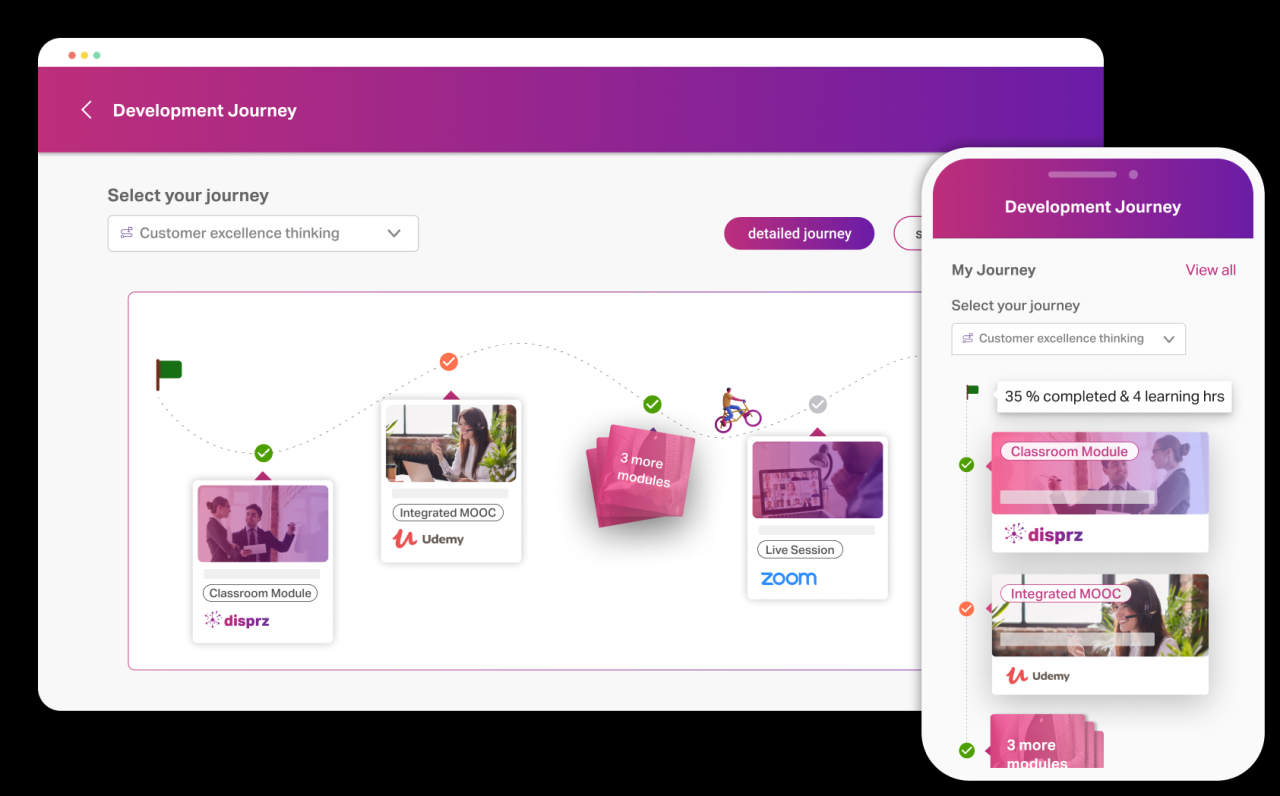
A well-defined language learning roadmap begins with clearly articulated goals. These goals provide direction, motivation, and a measurable framework for tracking progress. Without specific targets, the learning journey can feel aimless, leading to frustration and reduced engagement. A strong understanding of what you hope to achieve is essential for a successful learning experience.Setting clear learning goals is not merely about choosing a language to learn; it’s about specifying
- why* and
- how* you intend to achieve proficiency. This involves considering various aspects of language learning, from practical communication skills to cultural understanding. A well-defined goal will guide your study habits and resources, allowing you to focus your efforts effectively.
Different Types of Learning Goals
Language learning goals encompass a broad spectrum of objectives. Fluency, vocabulary acquisition, cultural understanding, and even specific communicative functions are all valid and achievable goals. The diversity of goals reflects the multifaceted nature of language itself.
- Fluency: Fluency encompasses the ability to speak and write the language naturally and effectively. It goes beyond basic grammar and vocabulary; it involves understanding nuances, idioms, and colloquialisms. Achieving fluency often requires consistent practice and immersion in the target language.
- Specific Vocabulary Acquisition: Concentrating on specific vocabulary related to a particular field or interest can be highly beneficial. This might include technical terms for engineering, medical jargon, or even specialized culinary vocabulary. Focusing on a niche area allows for a more targeted and impactful learning experience.
- Cultural Understanding: Language is intrinsically linked to culture. Learning a language also involves gaining insights into the values, customs, and traditions of the culture associated with that language. This includes understanding nonverbal communication, social etiquette, and historical context.
- Specific Communicative Functions: Some learners may focus on specific communicative functions like giving presentations, negotiating contracts, or having conversations about particular topics. This approach allows for a tailored learning path that directly addresses practical needs.
Importance of SMART Goals
Setting SMART goals is crucial for effective language learning. SMART goals are Specific, Measurable, Achievable, Relevant, and Time-bound. This structure ensures that your goals are not overly broad or vague, but instead are tangible and manageable.
SMART goals are essential for effective language learning, ensuring that your objectives are clear, measurable, achievable, relevant, and time-bound.
Examples of Well-Defined Goals
Here are examples of well-defined language learning goals:
- “By the end of six months, I will be able to hold a basic conversation in Spanish about my daily routine, including asking for directions and ordering food.”
- “Within one year, I will increase my active vocabulary in French to 2,000 words, focusing on technical terms related to software development.”
- “Over the next two years, I will develop an understanding of Japanese cultural nuances, including customs related to gift-giving and social hierarchy.”
Progress Tracking Metrics
Tracking progress is vital for maintaining motivation and adapting your learning strategy. The following table Artikels various learning goals with corresponding metrics for progress tracking.
| Learning Goal | Metrics |
|---|---|
| Fluency | Fluency assessments, conversational practice hours, participation in language exchange programs |
| Vocabulary Acquisition | Number of new words learned per week, vocabulary quizzes, use of new words in conversations |
| Cultural Understanding | Reading cultural articles, watching documentaries, participating in cultural events, engaging in conversations with native speakers |
| Specific Communicative Functions | Number of successful presentations, successful negotiations, effective conversations on specific topics |
Assessing Existing Language Skills
A crucial step in creating a personalized language learning roadmap is accurately assessing your current language proficiency. Understanding your strengths and weaknesses allows you to tailor your learning strategies for optimal results. This assessment provides a baseline for measuring progress and ensures you’re focusing your efforts on the areas requiring the most attention.Identifying your current language level helps you avoid frustration and ensures that you’re taking on challenges that are appropriate for your skillset.
It also facilitates a more focused and effective learning experience, enabling you to target specific areas for improvement.
Methods for Evaluating Language Proficiency
Various methods can be employed to assess language proficiency. These range from standardized placement tests to self-assessment questionnaires. Choosing the right method depends on the resources available and the level of detail desired.
- Placement Tests: Standardized placement tests, often offered by language schools or institutions, provide a structured evaluation of your current language level. These tests typically cover a range of skills, including listening, speaking, reading, and writing, and they can help you determine your proficiency in grammar, vocabulary, and pronunciation.
- Self-Assessment Questionnaires: Self-assessment questionnaires offer a more flexible approach. They typically present a series of questions or statements that prompt you to reflect on your language abilities. These questionnaires often cover different aspects of language use and can be a valuable tool for identifying areas needing improvement.
Significance of Identifying Strengths and Weaknesses
Recognizing your language strengths and weaknesses is pivotal for effective learning. Understanding your strengths allows you to build upon them, further solidifying your existing knowledge and skills. Conversely, pinpointing your weaknesses enables you to dedicate focused effort towards improvement in those areas.This targeted approach maximizes your learning potential, ensuring that you’re investing your time and energy in the most productive manner.
Checklist for Assessing Language Skills
This checklist provides a structured framework for assessing your language skills across various domains.
- Listening: Can you understand spoken language at different speeds and in various accents? Can you follow conversations and presentations? How well do you grasp nuances and subtleties in spoken language?
- Speaking: Can you articulate your thoughts and ideas clearly and fluently? How comfortable are you with different speaking styles? Do you encounter difficulties with pronunciation or grammatical structures?
- Reading: Can you comprehend written texts of varying complexity? Do you grasp the intended meaning and tone of the text? How quickly can you process written information?
- Writing: Can you express yourself clearly and concisely in writing? Are your written pieces grammatically correct and stylistically appropriate? Do you encounter challenges with spelling, punctuation, or sentence structure?
Comparison of Assessment Methods
The table below contrasts different assessment methods and their suitability for various learners.
| Assessment Method | Suitability for Learners | Strengths | Weaknesses |
|---|---|---|---|
| Placement Tests | Structured learners, those seeking a formal evaluation | Objective, standardized, comprehensive | Can be time-consuming, potentially stressful |
| Self-Assessment Questionnaires | Self-motivated learners, those seeking flexibility | Flexible, allows for self-reflection, inexpensive | Subjectivity, may not be comprehensive |
Choosing Learning Resources

Selecting appropriate learning resources is crucial for effective language acquisition. This stage involves carefully considering various options and aligning them with your individual learning style and goals. The right resources can significantly accelerate your progress, while mismatched ones can lead to frustration and slow down your learning journey.A well-defined learning roadmap, grounded in a clear understanding of your goals and existing skills, will facilitate informed choices in this crucial step.
By considering diverse learning resources and analyzing their strengths and weaknesses, you can create a personalized learning environment tailored to your specific needs.
Diverse Learning Resources
Understanding the spectrum of language learning resources is essential for creating a comprehensive roadmap. This encompasses a range of options, from traditional methods to cutting-edge digital tools. Selecting resources that resonate with your preferred learning style and learning goals is key to maximizing your investment in language acquisition.
- Language Exchange Partners:
- Engaging in conversations with native speakers provides invaluable opportunities for practical application and cultural immersion. This method is particularly beneficial for developing conversational fluency and improving pronunciation.
- Online Courses:
- Numerous online platforms offer structured language courses, often tailored to specific learning levels and goals. These courses typically incorporate interactive exercises, multimedia content, and community forums for peer interaction.
- Textbooks:
- Traditional textbooks provide a structured approach to grammar, vocabulary, and cultural context. They often include exercises and activities to reinforce learning. Their comprehensive nature can be beneficial for foundational knowledge acquisition.
- Language Learning Apps:
- Mobile apps offer interactive lessons, vocabulary building exercises, and practice opportunities. They cater to different learning styles, with some focusing on gamification and spaced repetition.
- Language Learning Websites:
- Numerous websites provide resources like grammar explanations, vocabulary lists, and interactive exercises. These websites offer a vast library of content for targeted study.
Comparing Learning Resource Strengths and Weaknesses
A crucial aspect of resource selection is understanding the advantages and disadvantages of different approaches. This comparison allows you to make informed decisions that align with your learning style and specific language learning needs.
- Language Exchange Partners:
-
Strengths: Authentic interaction, personalized feedback, cultural immersion, practical application.
Weaknesses: Requires active participation, potential for mismatched language proficiency, reliance on partner availability. - Online Courses:
-
Strengths: Structured learning, diverse learning materials, access to instructors, structured feedback.
Weaknesses: May not be tailored to individual learning styles, potential for impersonal interaction. - Textbooks:
-
Strengths: Comprehensive coverage, structured learning, well-organized content.
Weaknesses: Can be rigid and less interactive, potentially requiring additional resources for reinforcement.
Learning Resources and Learning Styles
Choosing learning resources that align with your individual learning style can significantly enhance the effectiveness of your language learning journey. Different learning styles respond to different teaching approaches. Recognizing your preferred learning style empowers you to make informed decisions about the resources that best suit your learning process.
Comparison of Language Learning Apps
The table below provides a comparison of several popular language learning apps, highlighting their key features and strengths. This allows you to identify apps that align with your specific learning needs.
| App Name | Key Features | Strengths | Weaknesses |
|---|---|---|---|
| Duolingo | Gamified lessons, vocabulary building, grammar practice | Easy to use, engaging, free version available | Limited depth, may not suit advanced learners |
| Babbel | Structured lessons, interactive exercises, personalized learning paths | Comprehensive approach, caters to different levels | Can be expensive compared to free alternatives |
| Memrise | Spaced repetition system, mnemonics, vocabulary flashcards | Effective for vocabulary acquisition, interactive format | May not be as comprehensive as other apps for grammar |
| HelloTalk | Language exchange platform, conversation practice, cultural exchange | Real-world practice, opportunity for cultural exchange | Requires active participation, no structured lessons |
Crafting a Personalized Study Plan

A structured study plan is crucial for consistent language learning progress. It provides a roadmap to guide your efforts, ensuring you dedicate time and energy effectively to different aspects of language acquisition. A well-designed plan can help you stay motivated and track your achievements, ultimately leading to greater fluency and confidence.Creating a personalized study plan involves more than just allocating time; it’s about tailoring your learning schedule to your specific needs, learning style, and available time.
This approach ensures that your efforts are focused and result-oriented, ultimately accelerating your language learning journey.
Steps in Creating a Structured Learning Schedule
A structured learning schedule, encompassing daily and weekly goals, is essential for sustained progress. This schedule should reflect your learning style, available time, and preferred learning methods. It will be the foundation for your consistent language learning journey.
- Identify your learning style: Are you a visual learner, an auditory learner, or a kinesthetic learner? Understanding your preferred method of acquiring information allows you to incorporate it effectively into your schedule. This can be done by reflecting on your past learning experiences or taking a learning style assessment.
- Estimate the amount of time you can realistically dedicate to language learning each day or week. Be honest with yourself about your schedule. Overambitious plans are easily abandoned. Start with a manageable amount of time and gradually increase it as you become more comfortable with the process.
- Break down your learning goals into smaller, achievable tasks. Large goals can feel overwhelming. Dividing them into smaller, daily or weekly objectives makes them more manageable and provides a sense of accomplishment with each completed task. This also helps in tracking progress effectively.
- Allocate specific time slots for different learning activities. Distributing time across grammar, vocabulary, listening, speaking, and reading exercises will lead to well-rounded progress. For example, dedicate one hour to grammar practice and another to listening comprehension.
- Incorporate breaks into your schedule. Regular breaks are vital for maintaining focus and preventing burnout. Short breaks throughout the day and longer breaks on weekends help you stay refreshed and motivated.
Importance of Breaks and Varied Learning Activities
Integrating breaks and diverse learning activities into your schedule is crucial for maintaining focus and preventing burnout. This approach ensures a balanced and effective learning experience.
- Incorporating breaks into your schedule prevents mental fatigue. Short breaks, such as 5-10 minutes every hour, help to maintain focus and prevent the decline in learning efficiency. Longer breaks, such as a 30-minute lunch break or a longer weekend break, aid in recharging and refreshing your mind.
- Varying learning activities throughout the day helps prevent boredom and keeps your mind engaged. This can be achieved by alternating between listening to podcasts, practicing writing, or engaging in conversation with a language partner.
- Different learning activities cater to different learning styles. This ensures that you are actively utilizing various methods to acquire the language. Combining visual, auditory, and kinesthetic learning techniques will lead to more effective results.
Examples of Effective Daily/Weekly Learning Plans
Effective daily and weekly learning plans should be adaptable to your specific needs and learning style. They should provide a balance of different activities to promote holistic language acquisition.
- Example Daily Plan (Beginner): Morning: 30 minutes of vocabulary flashcards, 15 minutes of listening to a short audio clip. Afternoon: 45 minutes of grammar exercises, 15 minutes of practicing pronunciation. Evening: 30 minutes of reading a short story, 15 minutes of speaking practice with a language partner. This plan is adaptable and can be adjusted based on your learning style and the difficulty of the materials.
- Example Weekly Plan (Intermediate): Monday: Focus on grammar rules and exercises, Tuesday: Vocabulary building, Wednesday: Listening comprehension, Thursday: Reading comprehension, Friday: Speaking practice with a native speaker, Saturday: Project work (e.g., writing a short story, summarizing an article), Sunday: Review and reflection. This weekly schedule allows you to cover different aspects of language learning.
Sample Learning Schedule
| Day | Time | Activity | Resources |
|---|---|---|---|
| Monday | 9:00-10:00 | Grammar exercises | Textbook, online grammar resources |
| Monday | 10:00-10:30 | Vocabulary practice | Flashcards, vocabulary lists |
| Monday | 10:30-11:00 | Break | N/A |
| Monday | 11:00-12:00 | Listening comprehension | Podcasts, online audio lessons |
| Tuesday | 9:00-10:00 | Reading comprehension | News articles, short stories |
| Tuesday | 10:00-10:30 | Writing practice | Journaling, short essays |
Incorporating Active Recall and Repetition
Reinforcing language learning requires more than passive exposure to new vocabulary and grammar rules. Active recall and strategic repetition are crucial for solidifying knowledge and improving long-term retention. This section details techniques for maximizing memory retention and integrating active recall methods into your personalized study plan.Active recall, the process of retrieving information from memory without external cues, is a powerful learning strategy.
It strengthens neural pathways associated with the target language, leading to improved fluency and comprehension. By actively engaging with the material, you deepen understanding and promote lasting retention. Spaced repetition systems further enhance this process by adjusting the intervals between reviews based on individual recall patterns.
Spaced Repetition Systems
Spaced repetition systems (SRS) are effective tools for optimizing the timing of your reviews. They dynamically adjust the intervals between repetitions based on your ability to recall the information. This personalized approach ensures that you revisit material at intervals that maximize learning and minimize forgetting. By spacing out reviews, you reinforce memory traces, leading to better long-term retention.
- Effectiveness: SRS significantly enhances retention compared to traditional rote memorization methods. Studies have consistently demonstrated the effectiveness of SRS in various learning domains, including language acquisition.
- Personalized Learning: SRS adapts to your individual learning pace and memory retention patterns. This tailored approach ensures that you focus on material that needs further review while efficiently managing your study time.
- Adaptive Review Schedule: The system dynamically adjusts the intervals between reviews. The longer you can recall a piece of information without assistance, the longer the interval before the next review. This ensures optimal review timing to maximize learning efficiency.
Flashcard Applications and Techniques
Flashcards are a classic tool for language learning, and they can be effectively combined with SRS principles. Creating and reviewing flashcards, especially with digital platforms, allows for targeted review and immediate feedback. Varying your flashcard approach based on your learning style can further enhance memorization.
- Digital Flashcard Platforms: Digital platforms often incorporate SRS, providing a dynamic and adaptive learning experience. They allow you to customize the review schedule and track your progress, providing insights into your learning patterns.
- Creating Effective Flashcards: The key to effective flashcards lies in their clarity and conciseness. Focus on key vocabulary, grammar points, and phrases, avoiding unnecessary detail. Use visual aids when appropriate to enhance memorization. Include example sentences and translations to solidify understanding.
- Active Recall with Flashcards: Don’t just passively read the information on the flashcards. Actively try to recall the answer before looking at the back. This process strengthens memory and improves retention.
Comparison of Spaced Repetition Software
Different SRS software offers various features and functionalities. This table compares some popular choices.
| Software | Key Features | Pros | Cons |
|---|---|---|---|
| Anki | Customizable decks, advanced scheduling, add-ons, and a large community | Highly customizable, powerful features, and extensive user support. | Steeper learning curve compared to some other options. |
| Quizlet | Versatile, user-friendly interface, supports various learning styles, gamified elements | Easy to use, visual aids, and collaborative features. | Fewer advanced customization options compared to Anki. |
| Memrise | Gamified learning experience, incorporates audio and visual elements, language courses. | Engaging and motivating, ideal for beginners. | Less flexibility in customization compared to Anki. |
Practicing and Applying the Language
Consistent practice is paramount in language acquisition. It’s not enough to learn vocabulary and grammar rules; the key lies in actively using the language in various contexts. This section provides strategies for integrating language learning into everyday life and applying the newly acquired knowledge to real-world situations.Applying learned language effectively requires consistent practice. Merely memorizing words and phrases is insufficient.
Actively engaging with the language through conversation, reading, and writing fosters fluency and deepens understanding.
Importance of Consistent Practice
Consistent practice is crucial for language learning. Regular engagement with the target language reinforces knowledge and builds confidence. This consistent exposure helps learners internalize grammar rules and vocabulary, making them more natural and intuitive. Without regular practice, knowledge fades, and skills stagnate. The more consistent the practice, the more quickly and effectively the language will be acquired.
Practicing Language Skills in Real-World Contexts
Real-world application is essential for language acquisition. Learning in isolation does not guarantee fluency. Seek opportunities to use the language in everyday situations, from ordering food at a restaurant to having a conversation with a native speaker. Engaging with the target language in natural settings will help refine understanding and develop speaking skills.
Methods for Utilizing Language Learning in Everyday Situations
Numerous methods facilitate integrating language learning into daily routines. One effective method is immersing yourself in the language environment. This can be achieved by watching movies, listening to music, or reading books in the target language. Using language learning apps and engaging in online conversations can further facilitate practice.
- Engage in conversations: Actively participate in conversations, even if they are brief. This could involve chatting with language partners, joining online forums, or striking up conversations with native speakers in person. Don’t be afraid to make mistakes; they are part of the learning process. Practice pronunciation and refine your speaking skills through dialogue.
- Utilize language learning apps: Many language learning apps provide interactive exercises, vocabulary flashcards, and personalized learning plans. These tools cater to diverse learning styles and offer practical practice opportunities, including conversational exercises and real-time feedback.
- Immerse yourself in the language: Immersion is a powerful tool for language acquisition. Surround yourself with the language as much as possible, whether it’s listening to music, watching movies, or reading books. Expose yourself to various forms of media in the target language to enhance your understanding and comprehension.
Practical Applications of Learned Language
The following table illustrates practical applications of learned language in diverse settings:
| Setting | Language Application |
|---|---|
| Restaurant | Ordering food, asking for recommendations, inquiring about ingredients, and providing feedback on the meal. |
| Travel | Asking for directions, booking accommodations, purchasing tickets, and interacting with locals. |
| Shopping | Bargaining, making purchases, asking about products, and expressing preferences. |
| Social Events | Initiating conversations, engaging in small talk, and expressing opinions. |
| Work | Communicating with colleagues, participating in meetings, and presenting ideas. |
Tracking Progress and Adapting the Roadmap
Maintaining a consistent and effective language learning journey requires a dynamic approach. Simply setting goals and choosing resources isn’t enough; tracking progress and adapting the roadmap is crucial for sustained motivation and optimal results. Regular assessment and adjustments ensure the learning plan remains relevant and effective.Adapting the learning plan to suit individual progress and challenges is vital for success.
By proactively monitoring progress and making necessary modifications, learners can optimize their language acquisition. This iterative approach fosters a more personalized and effective learning experience.
Monitoring Learning Progress
Regular monitoring of progress is essential for identifying areas needing reinforcement or adjustments. This involves both formal and informal evaluation methods. A learner can track their progress through various strategies, including self-assessments and progress reports.
- Progress Reports: Creating structured progress reports can offer a clear overview of accomplishments. These reports can detail vocabulary learned, grammar concepts mastered, and conversational fluency achieved. For example, a weekly or monthly report can highlight specific improvements in speaking, listening, reading, and writing skills.
- Self-Evaluation: Self-evaluation is a powerful tool for self-reflection. It encourages learners to honestly assess their strengths and weaknesses. Regular self-assessments, ideally accompanied by a specific rubric or checklist, can highlight areas where more focus is needed. Examples include identifying specific grammar points that are challenging or conversational topics that require more practice.
Adjusting the Roadmap Based on Learning Outcomes
Recognizing and responding to learning outcomes is paramount for maximizing the efficiency of the language learning roadmap. Adapting the plan allows for a more focused and effective learning experience.
- Identifying Strengths and Weaknesses: Analyzing progress reports and self-evaluations helps pinpoint areas of strength and weakness. If a learner excels in vocabulary acquisition but struggles with grammar, the roadmap should incorporate more focused grammar practice. Conversely, if a learner demonstrates strong listening comprehension, the focus should shift to speaking practice.
- Reallocating Resources: Learning resources should be allocated based on identified needs. If grammar is proving challenging, dedicate more time to grammar exercises, interactive lessons, or specialized grammar books. Conversely, if fluency is a strength, dedicate more time to speaking practice with native speakers or joining language exchange groups.
Methods for Adapting the Learning Plan Based on Learner Feedback
Incorporating learner feedback is crucial for tailoring the learning plan to individual needs. Feedback can come from various sources, including language partners, teachers, or even self-reflection.
- Seeking Feedback: Regularly solicit feedback from language partners or teachers to identify areas needing improvement. Constructive criticism from a knowledgeable source can provide valuable insights. For instance, a language partner can offer feedback on pronunciation or sentence structure, while a teacher can pinpoint gaps in grammatical knowledge.
- Adjusting Study Schedule: Based on learner feedback, the study schedule should be adjusted. If a learner finds a specific learning module too challenging, it might need to be revisited, or broken down into smaller, more manageable chunks. Conversely, if a topic is mastered quickly, more advanced materials can be introduced.
Examples of Roadmap Modification
Modifying the roadmap involves adapting various aspects, from resource allocation to schedule adjustments.
- Addressing Challenges: If a learner consistently struggles with verb conjugations, the roadmap can incorporate additional exercises and resources focusing on verb conjugation patterns. This might include more interactive games, flashcard decks, or online tools.
- Celebrating Milestones: Acknowledging milestones, such as achieving fluency in a particular conversational topic, can boost motivation. The roadmap can include rewards or celebrate the progress with a language exchange event or a language-related activity.
Maintaining Motivation and Consistency
Cultivating sustained motivation is crucial for successful language learning. A well-structured roadmap, while essential, needs a supplementary strategy for maintaining engagement and overcoming the inevitable challenges that arise during the learning process. This section details strategies to foster motivation and consistency, ensuring a positive and rewarding language learning experience.Maintaining consistent effort is not just about adhering to a schedule; it’s about nurturing a genuine passion for the language.
This involves understanding the psychological factors behind language learning motivation and developing practical techniques to overcome potential obstacles.
Strategies for Maintaining Motivation
Consistent effort in language learning is more than just following a plan; it’s about cultivating a genuine interest and a positive attitude. Several strategies contribute to this. These include:
- Setting Realistic Goals: Establishing achievable goals fosters a sense of accomplishment, preventing feelings of frustration and discouragement. Breaking down large learning objectives into smaller, manageable tasks allows for incremental progress, making the overall journey less daunting and more motivating.
- Celebrating Progress: Recognizing and celebrating milestones, no matter how small, reinforces positive behavior and boosts motivation. This could involve acknowledging a new vocabulary word mastered, understanding a complex grammatical concept, or even successfully participating in a conversation. Celebrating these achievements, both large and small, creates a positive feedback loop, encouraging continued effort.
- Finding Language Learning Companions: Learning with others creates a supportive environment and fosters accountability. Sharing experiences, studying together, and engaging in conversation with language partners provides motivation and encouragement from peers, helping to overcome plateaus in learning.
- Incorporating Variety: Maintaining interest is key to long-term motivation. Employing diverse learning resources, such as engaging podcasts, interactive games, or cultural immersion opportunities, can make the process more dynamic and enjoyable.
Techniques for Overcoming Challenges
Language learning is not without its hurdles. Acknowledging and proactively addressing these challenges is essential to maintain momentum. Effective strategies include:
- Addressing Plateaus: Recognizing periods of slower progress is normal. Adjusting the learning plan by revisiting previously learned material, seeking alternative learning resources, or seeking guidance from language learning communities can help overcome these plateaus and reignite motivation.
- Managing Procrastination: Procrastination is a common challenge. Time management techniques, such as breaking tasks into smaller segments, setting specific study times, and employing a reward system, can help manage and overcome procrastination.
- Dealing with Frustration: Frustration is inevitable in language learning. Taking breaks, engaging in activities outside of language study, and focusing on the progress already made can help maintain a positive attitude and overcome feelings of frustration.
- Seeking Support: Don’t hesitate to seek support from language learning communities, tutors, or mentors. Sharing challenges and successes with others can provide valuable insight and encouragement.
Reward System for Achieving Milestones
A well-designed reward system can be a powerful motivator.
- Milestone-Based Rewards: Establish clear milestones, such as mastering a specific grammar point, achieving a certain level of fluency in conversation, or completing a reading comprehension task. For each milestone achieved, a corresponding reward should be provided. These rewards can range from small treats, entertainment, or relaxation time to more substantial rewards like purchasing a new language learning resource or a small cultural experience related to the target language.
- Flexibility and Adaptability: The reward system should be flexible and adaptable to individual preferences and needs. The specific rewards and milestones can be adjusted to align with personal goals and learning styles. For example, a reward for successfully completing a conversational practice session might be a movie or book in the target language.
Concluding Remarks

In conclusion, a personalized language learning roadmap is a dynamic tool that empowers learners to take ownership of their language acquisition journey. By meticulously defining goals, assessing skills, choosing resources, and consistently practicing, learners can achieve fluency and deeper cultural understanding. Adapting the roadmap as progress is made ensures a sustained and motivating learning experience.