Unlock the fun in language learning with gamification! This guide delves into the exciting world of turning language acquisition into a captivating game. By incorporating game mechanics, tailored to individual learning styles and motivations, you can transform the often-challenging process of language learning into an enjoyable and engaging journey.
From understanding the core principles of gamification to practical applications, this resource provides a step-by-step approach to designing and implementing engaging language learning activities. Discover how to leverage technology and adapt existing materials to create a truly immersive and motivating experience for learners.
Introduction to Gamification in Language Learning

Gamification, in the context of language learning, is the application of game design elements and game thinking to non-game contexts. This approach transforms the often-perceived drudgery of studying a new language into an engaging and enjoyable experience. It leverages the inherent motivation and drive found in games to make learning more effective and sustainable.The core principles of gamification revolve around motivating learners through points, badges, leaderboards, challenges, and rewards.
These elements create a sense of competition, accomplishment, and progress, fostering intrinsic motivation and a deeper engagement with the learning material. By incorporating game mechanics into language learning, the focus shifts from rote memorization to active participation and exploration, making the learning process more dynamic and fun.
Core Principles of Gamification
Gamification’s core principles are not just about adding game elements; they aim to enhance intrinsic motivation by fostering a sense of accomplishment, progress, and competition. Applying these principles to language learning encourages learners to actively participate in the learning process rather than passively absorbing information. This shift from passive to active learning leads to better retention and a more enjoyable learning experience.
Benefits of Gamification in Language Learning
Integrating gamification into language learning routines offers several compelling benefits. Improved motivation and engagement are paramount. Learners are more likely to actively participate in lessons, leading to enhanced knowledge retention. Gamification also fosters a sense of accomplishment, promoting a positive learning environment and increased self-confidence. Furthermore, it can encourage learners to practice consistently, improving their fluency and overall language proficiency.
Examples of Gamified Language Learning Platforms
Several successful language learning platforms and applications effectively utilize gamification. Duolingo, for instance, employs a points-based system, badges, and progress tracking to motivate learners. Memrise utilizes spaced repetition and a visually engaging interface, while Babbel offers personalized learning paths and interactive exercises. These examples demonstrate the potential of gamification in making language learning more enjoyable and effective.
Table of Gamification Techniques in Language Learning
| Gamification Technique | Description | Example | Benefits |
|---|---|---|---|
| Points and Badges | Awarding points and badges for completing tasks or reaching milestones. | Completing a vocabulary lesson earns 10 points and a “Word Wizard” badge. | Motivates learners, tracks progress, and reinforces positive behavior. |
| Leaderboards | Displaying learners’ progress and scores on a leaderboard. | A leaderboard showing the top 10 learners in a language course. | Encourages healthy competition and fosters a sense of achievement. |
| Challenges and Quests | Setting specific goals and tasks for learners to complete. | A quest to translate a short story into the target language, with rewards for completing each section. | Provides structured learning paths and motivates learners to achieve specific objectives. |
| Progress Tracking and Visualization | Displaying learners’ progress visually through charts and graphs. | A progress bar showing the learner’s completion of a unit. | Provides learners with a clear understanding of their achievements, motivating continued learning. |
Identifying Learning Styles and Motivations
Understanding individual learning styles and motivations is crucial for tailoring gamified language learning experiences. Effective gamification recognizes that learners don’t all absorb information in the same way, and that different motivations drive their engagement. By aligning game mechanics with these individual preferences, educators can significantly enhance the learning process and create a more enjoyable, and ultimately, more successful learning experience.Recognizing individual learning styles and motivations empowers educators to design more engaging and effective language learning experiences.
This personalization can lead to increased motivation, improved retention, and a more positive overall learning experience. A key aspect of this personalization is adjusting gamification strategies to resonate with specific learning styles.
Learning Styles
Different learners process information in distinct ways. Visual learners thrive on seeing, auditory learners on hearing, and kinesthetic learners on doing. These preferences heavily influence how effective a particular gamification strategy might be. For example, a visual learner might respond better to a game with interactive maps and colorful graphics, while an auditory learner might be more engaged by games with audio dialogues and storytelling.
A kinesthetic learner might benefit most from a game that incorporates physical activities or role-playing scenarios.
Motivations for Language Learning
Beyond learning styles, understanding the motivations behind language learning is also essential. Learners might be motivated by a desire to travel, communicate with others, or advance their careers. A language learner motivated by travel might be more interested in games that focus on vocabulary related to specific locations and cultures. Similarly, a learner driven by career advancement might be more receptive to games emphasizing professional settings and specific industry terminology.
Tailoring Gamification Approaches
To maximize the impact of gamification, strategies must be tailored to individual learning styles and motivations. A visual learner who is motivated by travel could be engaged in a game that features interactive maps, photo quizzes, and cultural-themed mini-games. An auditory learner motivated by communication could participate in a game with voice recording exercises, role-playing simulations, and engaging conversations.
| Learning Style | Gamification Techniques | Example Activities |
|---|---|---|
| Visual | Use of images, videos, maps, infographics, color-coded systems. | Creating flashcards with pictures, using virtual tours of foreign cities, completing puzzles with visual clues. |
| Auditory | Incorporating audio dialogues, music, podcasts, and storytelling. | Participating in language exchange partners, listening to audiobooks, engaging in oral presentations. |
| Kinesthetic | Activities involving physical movement, role-playing, hands-on projects, and interactive simulations. | Participating in a cooking class in a foreign language, performing skits, engaging in physical games with language elements. |
Designing Engaging Game Mechanics

Incorporating game mechanics is crucial for transforming language learning from a chore into an enjoyable and interactive experience. By leveraging the intrinsic motivation inherent in games, learners are more likely to engage with the material, actively participate, and ultimately achieve better results. This approach fosters a more positive learning environment, promoting long-term retention and fluency.Effective gamification in language learning hinges on thoughtfully selected and strategically implemented game mechanics.
These mechanics should not only entertain but also serve to reinforce learning objectives, provide immediate feedback, and track progress. The goal is to create a dynamic and motivating learning environment that fosters intrinsic motivation and encourages consistent engagement.
Importance of Game Mechanics
Game mechanics are fundamental to successful gamification. They provide structure, challenge, and reward systems that make the learning process more engaging and interactive. This active participation encourages learners to explore and master the material, ultimately leading to greater comprehension and retention. Effective implementation of these mechanics can significantly improve learner motivation and achievement.
Types of Game Mechanics
A diverse range of game mechanics can be effectively employed in language learning. These mechanics provide structure, challenge, and motivation, ultimately enhancing the learning process. Points, badges, leaderboards, challenges, and rewards are some of the most common and effective tools for gamifying language learning.
- Points: Assigning points for completing tasks, answering questions correctly, or engaging in interactive activities provides immediate feedback and reinforces positive behaviors. This can motivate learners to strive for higher scores and demonstrate their proficiency.
- Badges: Awarding badges for achieving milestones or demonstrating specific language skills provides visual recognition of progress and accomplishments. These badges serve as tangible rewards and enhance learner motivation by celebrating their achievements.
- Leaderboards: Publicly displaying learner progress on a leaderboard can foster healthy competition and encourage learners to push their limits. The element of friendly competition can be highly motivating, prompting learners to excel and improve their performance.
- Challenges: Setting language learning challenges, such as mastering a new vocabulary list or participating in a speaking exchange, creates focused goals and encourages learners to step outside their comfort zones. This promotes active learning and mastery of specific skills.
- Rewards: Offering rewards, such as extra study time, access to exclusive content, or virtual prizes, for completing challenges or reaching milestones can further motivate learners. These rewards can vary in type and value to cater to individual preferences and learning styles.
Designing Effective Challenges and Rewards
Challenges and rewards should be carefully designed to align with learning objectives and learner motivations. Challenges should be progressively challenging, offering learners opportunities to build confidence and master new skills. Rewards should be meaningful and relevant to the learners, fostering a sense of accomplishment and encouraging continued engagement.
Examples of Game Mechanics in Language Learning
| Game Mechanics | Application to Language Learning |
|---|---|
| Points | Award points for correct answers in quizzes, completing dialogues, or successfully participating in online discussions. |
| Badges | Award badges for achieving fluency levels, mastering grammar concepts, or demonstrating proficiency in specific language skills. |
| Leaderboards | Create a leaderboard to track learner progress in vocabulary acquisition, grammar tests, or speaking fluency. |
| Challenges | Set challenges like writing a short story in the target language or participating in a language exchange with a native speaker. |
| Rewards | Offer rewards like extra study time, access to exclusive learning resources, or virtual prizes for achieving milestones or mastering specific skills. |
Developing Gamified Activities and Resources
Transforming language learning into an engaging experience often hinges on the skillful integration of gamification principles. This involves designing activities that cater to diverse learning styles and motivations, creating a sense of challenge and reward, and leveraging digital tools to enhance the learning process. By incorporating game mechanics, puzzles, and simulations, educators can foster intrinsic motivation and promote long-term retention.
Interactive Exercises Utilizing Gamification Principles
Gamified interactive exercises are crucial for enhancing learner engagement and motivation. These exercises employ elements of game design to make the learning process more enjoyable and effective. Examples include incorporating points, badges, leaderboards, and progress bars to track learner performance and provide visual feedback. These elements foster a sense of competition and accomplishment, encouraging learners to actively participate and strive for improvement.
Incorporating Games, Puzzles, and Simulations
Games, puzzles, and simulations offer diverse avenues for language practice and skill development. Board games with language-based challenges, crossword puzzles with vocabulary terms, or role-playing simulations can significantly enhance learners’ understanding and retention. For example, a simulated business meeting where learners practice negotiation in a foreign language provides a practical application of learned skills. Puzzles like word searches or jumbled sentences offer opportunities for vocabulary acquisition and grammar reinforcement.
These activities can be adapted to various learning levels and cater to different learning styles.
Integrating Digital Tools and Platforms
Digital tools and platforms offer numerous opportunities to implement gamified learning strategies. Language learning apps, interactive websites, and online platforms can be leveraged to create dynamic and engaging experiences. For instance, using interactive flashcards with points and rewards or creating virtual escape rooms centered around language-learning scenarios can boost learner motivation and engagement. These platforms can also be customized to tailor the learning experience to individual needs and preferences.
Table of Gamified Activities
| Activity Type | Description | Implementation Tips |
|---|---|---|
| Vocabulary Building Game | A mobile app that presents vocabulary words in a game format. Players earn points for correct answers and unlock new levels as they progress. | Use clear visual cues, audio pronunciation, and interactive elements. Offer rewards for completing levels, such as virtual badges or progress bars. |
| Grammar Challenge | An online quiz that presents grammar rules through interactive exercises. Players earn points for correctly applying grammar rules in different contexts. | Use clear explanations of grammar rules. Incorporate various question types, such as multiple choice, fill-in-the-blank, and sentence construction. |
| Role-Playing Simulation | A virtual environment where learners engage in role-playing scenarios, practicing conversation skills in a simulated setting. | Provide clear instructions and guidelines for the simulation. Encourage learners to interact with each other using appropriate language. Offer feedback and guidance during the simulation. |
| Language Exchange Platform | A platform that facilitates language exchange between learners, allowing them to practice conversation skills in a peer-to-peer setting. | Implement a points system or ranking to incentivize active participation. Provide opportunities for learners to provide feedback on each other’s performance. |
Integrating Technology for Gamified Language Learning

Technology offers powerful tools to enhance language learning through gamification. Leveraging mobile apps, online platforms, and educational software can significantly boost engagement and motivation, making the learning process more interactive and enjoyable. By integrating these technologies strategically, learners can personalize their experiences and progress at their own pace, fostering a more dynamic and effective learning environment.
Utilizing Mobile Apps for Gamification
Mobile apps provide a convenient and accessible way to incorporate gamified elements into language learning. These apps often employ features like points, badges, leaderboards, and progress tracking, fostering a competitive and rewarding learning experience. Users can practice vocabulary, grammar, and pronunciation through interactive exercises, quizzes, and games, making learning more engaging.
Utilizing Online Platforms for Gamified Learning
Online platforms offer a wider range of resources and tools for creating immersive and interactive language learning experiences. These platforms often feature diverse content types, including interactive lessons, multimedia materials, and forums for communication with other learners. They also provide opportunities for personalized learning pathways and customized feedback, catering to individual learning styles and needs.
Utilizing Educational Software for Gamified Learning
Educational software can offer structured language learning environments with integrated gamification elements. These programs often employ interactive exercises, simulations, and virtual environments to provide learners with a more dynamic and immersive experience. They can also offer features like adaptive learning, providing tailored content and exercises based on individual progress.
Examples of Gamified Language Learning Platforms
Several platforms and apps excel at gamified language learning. Duolingo, for instance, uses a point-based system and engaging lessons to motivate users. Memrise employs spaced repetition and mnemonic techniques, making vocabulary acquisition more effective. Babbel integrates interactive exercises and personalized learning plans. These examples demonstrate how technology can transform language learning into an engaging and effective process.
Benefits and Drawbacks of Different Technological Approaches
Mobile apps, online platforms, and educational software offer distinct advantages and disadvantages in gamified language learning. Mobile apps are often convenient and accessible, but their features might be limited compared to more comprehensive online platforms. Online platforms offer a wider range of resources, but navigation can sometimes be complex. Educational software provides structured learning, but the cost can be a factor.
Carefully considering these factors can lead to a more effective and enjoyable learning experience.
Tools for Gamified Language Learning
| Tool Type | Description | Example |
|---|---|---|
| Mobile Apps | Interactive language learning experiences on smartphones and tablets. | Duolingo, Memrise, Babbel |
| Online Platforms | Web-based learning environments with diverse resources and interactive tools. | Rosetta Stone, HelloTalk,italki |
| Educational Software | Structured language learning programs often incorporating gamified elements. | Language learning software by companies like Cambridge, Oxford |
Measuring the Effectiveness of Gamified Learning
Assessing the success of gamified language learning requires a systematic approach to evaluating learner engagement, progress, and motivation. By carefully collecting and analyzing data, educators can identify areas where the gamified approach is effective and pinpoint areas needing refinement. This iterative process allows for continuous improvement in the design and implementation of gamified language learning strategies.A key aspect of evaluating gamified learning is understanding that it’s not just about the game itself, but also how it interacts with the learner’s existing learning style and motivation.
A successful gamified approach should enhance intrinsic motivation, making learning a more enjoyable and rewarding experience.
Key Metrics for Evaluating Gamified Language Learning
Understanding the effectiveness of gamified language learning hinges on identifying relevant metrics. These metrics provide quantifiable data points that can be used to track progress and evaluate the impact of the gamified approach. Choosing appropriate metrics is crucial for accurately measuring the desired outcomes.
- Learner Engagement: This encompasses various aspects of participation, such as the frequency and duration of game play, the time spent interacting with gamified resources, and the completion rates of activities.
- Learner Progress: This is measured by assessing improvements in language skills, such as vocabulary acquisition, grammar understanding, and communicative competence. Progress can be tracked through pre- and post-tests, assessments, and observation of communicative interactions.
- Learner Motivation: This is evaluated by gauging the learners’ intrinsic interest in the language learning process. Factors like self-reported enjoyment, perceived usefulness of the gamified activities, and persistence in the learning process are important indicators of motivation.
- Game Play Data: This includes metrics like the number of times a game level is played, the amount of time spent on each activity, and the types of feedback learners receive. Analyzing this data provides insights into the appeal and usability of the gamified approach.
Data Collection Methods
Effective data collection is essential for understanding the effectiveness of gamified learning. A variety of methods can be used to gather data, from structured questionnaires to observations of learner interactions. Choosing the right data collection method depends on the specific metrics being tracked and the resources available.
- Surveys: Structured questionnaires can gather valuable information about learner perceptions of the gamified learning experience, including their enjoyment, motivation, and perceived learning effectiveness.
- Performance Assessments: Pre- and post-tests, quizzes, and language proficiency exams can objectively measure learner progress in language skills.
- Observation: Observing learner interactions during gamified activities provides insights into their engagement, problem-solving strategies, and interactions with the learning materials. This method helps understand the learner experience in a real-time setting.
- Gamified Activity Logs: These logs record learner interactions with the gamified activities, including the time spent, the level completed, and the number of attempts made. These logs are particularly valuable for analyzing patterns of engagement and learning behaviors.
Analyzing Collected Data and Adapting Strategies
Analyzing the collected data is critical for determining the effectiveness of the gamified learning approach. This involves identifying trends, patterns, and correlations to gain a comprehensive understanding of how the gamified approach affects learner engagement and progress. A flexible approach to adaptation is key.
- Trend Analysis: Identifying trends in the data reveals patterns in learner engagement and progress. This information can help educators understand the strengths and weaknesses of the gamified approach.
- Correlation Analysis: Examining correlations between different variables, such as learner engagement and learning outcomes, provides insights into the relationship between various aspects of the gamified learning experience.
- Qualitative Analysis: Incorporating qualitative feedback, such as learner comments and observations, provides context to quantitative data. This helps to understand the “why” behind the numbers.
- Iterative Refinement: Based on the analysis, educators can adapt the gamified approach to enhance its effectiveness. This iterative process of refinement and improvement is essential for continuous improvement of the gamified learning experience.
Evaluating the Impact of Gamification on Learning Outcomes
A holistic approach is necessary for assessing the impact of gamification on language learning outcomes. This involves evaluating the changes in language skills, motivation, and engagement. A comprehensive evaluation process considers both quantitative and qualitative data.
- Comparison with Traditional Methods: Comparing the results of gamified learning with those of traditional language learning methods provides valuable insights into the added value of gamification.
- Longitudinal Studies: Tracking learner progress over an extended period provides a more comprehensive understanding of the long-term impact of gamified learning on language acquisition.
- Qualitative Feedback Collection: Gathering qualitative feedback from learners about their experience with the gamified approach provides valuable insights into the impact of the gamified design on learner satisfaction and motivation.
Addressing Challenges and Considerations
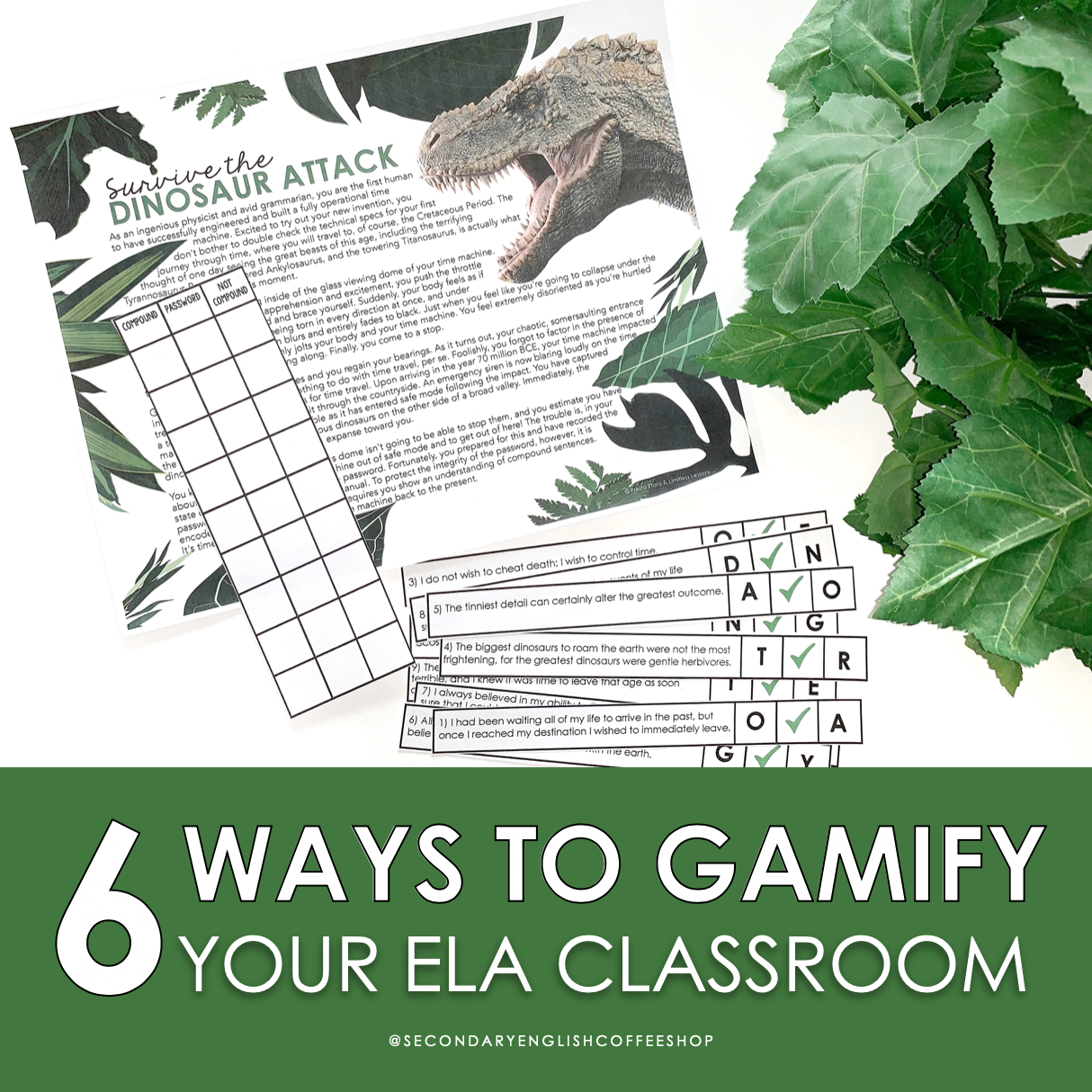
Implementing gamified language learning, while promising, presents potential hurdles. Careful planning and adaptation are crucial to ensure the approach aligns with learners’ needs and effectively enhances their language acquisition journey. Understanding the challenges and proactively developing strategies to overcome them is key to maximizing the benefits of gamification.Successfully integrating gamification into language learning requires a nuanced understanding of potential obstacles and the ability to adapt the approach based on learner feedback and evolving needs.
This necessitates a flexible and iterative design process.
Potential Challenges in Implementation
Gamified language learning, though engaging, can encounter challenges related to learner motivation, technical difficulties, and alignment with existing curricula. Careful consideration of these potential issues is essential for successful implementation.
- Learner Motivation Fluctuation: The novelty of a gamified system can wane over time. Learners may lose interest if the rewards are not perceived as valuable or if the challenges become too easy or too difficult. Regular updates, adjusting difficulty levels, and incorporating diverse game mechanics are vital to maintain learner engagement.
- Technical Issues: Implementing gamified learning often requires specific software or online platforms. Technical glitches, platform limitations, or incompatibility with existing learning management systems (LMS) can hinder the process. Thorough testing, careful selection of platforms, and robust technical support are crucial to minimize disruptions.
- Curriculum Integration Challenges: Integrating gamified activities into existing language learning curricula can be challenging. Existing lesson plans, assessments, and learning objectives might need adjustments to accommodate the new approach. Careful planning and communication with teachers and administrators are essential for successful integration.
Strategies for Overcoming Challenges
Effective strategies are essential to mitigate the potential obstacles inherent in gamified language learning.
- Maintaining Learner Engagement: Introduce diverse game mechanics, update the game elements periodically, offer varying levels of difficulty, and consider incorporating learner feedback to tailor the experience. Rotating game types and offering new, interesting rewards can maintain learner interest.
- Addressing Technical Issues: Conduct thorough testing of the gamified platform and its compatibility with existing systems. Ensure reliable internet access and sufficient technical support to address any problems promptly. Choose platforms that are user-friendly and adaptable to different technical environments.
- Curriculum Alignment: Align gamified activities with existing learning objectives and assessments. Work closely with teachers and curriculum developers to seamlessly integrate the new approach into the existing framework. Consider pilot programs to gather feedback and refine the implementation process.
Learner Feedback and Adaptation
Active learner feedback is critical for adapting gamified learning experiences to maximize effectiveness.
- Collecting and Analyzing Feedback: Use surveys, questionnaires, interviews, and observation to collect learner feedback on the gamified learning experience. Analyze the feedback to identify areas for improvement, such as adjustments to difficulty levels, rewards, or game mechanics.
- Iterative Adaptation: Regularly review and update the gamified elements based on learner feedback. Adapt the design, activities, and resources to align with the evolving needs and preferences of the learners. This iterative process ensures that the gamified learning environment remains engaging and effective.
Diverse Learners and Varying Learning Paces
Gamified learning should cater to diverse learning styles and paces.
- Differentiated Instruction: Offer different levels of difficulty and varying types of games to accommodate diverse learning styles and paces. Incorporate activities that cater to visual, auditory, and kinesthetic learners. Consider offering optional, alternative activities for learners who progress at different speeds.
- Flexibility and Support: Provide learners with opportunities to progress at their own pace. Offer supplementary resources and support for learners who require additional assistance or more individualized attention. Gamified learning should foster a supportive environment that accommodates diverse learning styles and preferences.
Incorporating Gamification into Existing Curricula
Effective integration requires careful planning and collaboration.
- Pilot Programs: Conduct pilot programs with small groups of learners to test the integration of gamified elements into existing curricula. Gather feedback from teachers and learners to refine the implementation process.
- Gradual Implementation: Introduce gamified activities gradually, starting with a few integrated elements. Assess the impact of each addition before introducing more complex gamified features. This measured approach allows for adjustments and refinement as needed.
Examples of Gamified Language Learning Activities
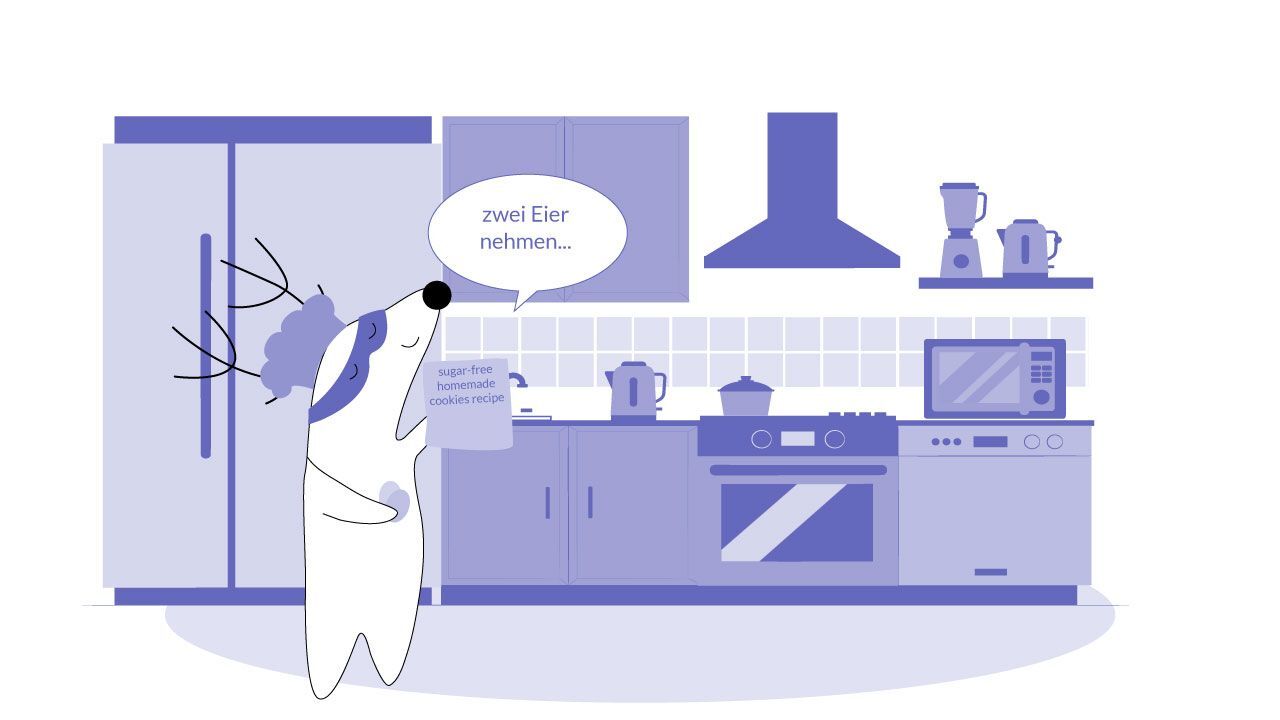
Gamification transforms language learning from a chore into an engaging adventure. By incorporating game mechanics, learners are motivated to actively participate and progress through the material, leading to more effective and enjoyable learning experiences. This section explores diverse gamified activities, showcasing how to apply game mechanics to various learning materials and demonstrating a complete lesson plan.
Unique Gamified Language Learning Activities
Different gamified activities cater to various learning styles and motivations. These activities should be tailored to the specific needs and interests of the learners. Consider factors such as the target language level, the learners’ prior experience with games, and their preferred learning styles.
- Language Exchange Marketplace: This activity simulates a virtual marketplace where learners can “buy” and “sell” language skills. For example, a learner proficient in grammar can help a learner struggling with vocabulary in exchange for pronunciation practice. This fosters peer-to-peer learning and encourages learners to actively use the language.
- Language Quest: Learners embark on a quest to complete various tasks related to the target language, such as finding specific words in a text, translating sentences, or participating in role-playing scenarios. Progress is tracked, and rewards are awarded for completing tasks or reaching milestones.
- Language Escape Room: This activity challenges learners to solve puzzles and riddles related to the target language to “escape” a virtual room. Clues and instructions are presented in the target language, fostering comprehension and problem-solving skills.
- Language Storytelling Challenge: Learners work in teams to create and share stories in the target language. Teams are awarded points based on the creativity, accuracy, and fluency of their stories. This promotes collaboration and creativity, encouraging learners to express themselves in the target language.
Applying Game Mechanics to Learning Materials
Effective gamification leverages established game mechanics to enhance learning. Point systems, leaderboards, badges, and challenges are some of the key elements. For example, using a point system for correct answers in vocabulary exercises motivates learners to actively participate.
- Vocabulary Building: A vocabulary game using flashcards can be gamified by assigning points for correct answers, awarding badges for reaching specific vocabulary targets, and creating leaderboards to track progress. This competitive element motivates learners to study more effectively.
- Grammar Exercises: A grammar quiz can be transformed into a timed challenge with points awarded for speed and accuracy. This combines the challenge of time management with the reward of points, making learning more engaging.
- Reading Comprehension: Transforming a reading comprehension passage into a quest where learners must answer questions related to the text to unlock the next part of the story adds an element of adventure. Rewards and challenges enhance the learning experience.
Adapting Existing Learning Materials
Many existing learning materials can be adapted for gamification. The key is to identify opportunities to incorporate game mechanics. Simple adjustments can significantly enhance the learning experience.
- Textbooks: Transform exercises into mini-games with points, badges, and challenges. Introduce a leaderboard to track progress among students. This simple change can turn a static learning resource into a dynamic and engaging activity.
- Workbooks: Turn workbook exercises into quests or puzzles. Introduce a narrative or story to the exercises. Create a reward system for completing tasks. This adds a sense of accomplishment and encourages learners to participate actively.
Detailed Example of a Gamified Lesson Plan
This lesson plan focuses on introducing basic greetings and introductions in Spanish.
| Activity | Game Mechanics | Learning Objective |
|---|---|---|
| “Meet the Locals” Role-Playing Game | Points for correct greetings, badges for completing interactions, time limits for dialogues. | Learn and practice basic greetings and introductions in Spanish. |
| Spanish Flashcard Challenge | Points for correct answers, leaderboards for tracking progress, time limit for each round. | Learn common greetings and phrases. |
| Virtual Café Conversation | Points for correct use of phrases in context, challenge to introduce yourself and others. | Practice using greetings in a communicative context. |
| Feedback and Reflection | Discuss learning experience, highlight strengths, and identify areas for improvement. | Self-assessment and reinforcement of the learned material. |
“Gamification in language learning fosters intrinsic motivation, turning learning into a playful and engaging experience.”
Last Point
In conclusion, this comprehensive guide has explored the transformative potential of gamification in language learning. By strategically integrating game mechanics, recognizing diverse learning styles, and effectively leveraging technology, educators and learners can unlock a new level of engagement and motivation. Ultimately, gamified language learning fosters a dynamic and enjoyable learning environment, maximizing the potential for language acquisition and fluency.