Language learning apps like Duolingo offer powerful tools for acquiring new languages. This comprehensive guide delves into the features of these apps, exploring effective strategies for maximizing your learning experience. From understanding the diverse app functionalities to optimizing study habits and integrating language learning into daily life, this resource provides a roadmap to successful language acquisition.
The guide offers a detailed analysis of various language learning apps, including Duolingo, Babbel, and Memrise, highlighting their strengths and weaknesses. It emphasizes the importance of personalized learning plans and consistent practice, guiding you through practical steps to achieve your language learning goals.
Understanding Language Learning App Features
Language learning apps have become increasingly popular tools for individuals seeking to acquire new languages. These apps leverage technology to deliver engaging and effective learning experiences. A key aspect of their success lies in understanding the various features they offer and how these features contribute to the learning process. This section explores the common features of language learning apps like Duolingo, Babbel, and Memrise, highlighting their strengths and weaknesses, and how they facilitate language acquisition.
Common Features in Language Learning Apps
Language learning apps typically incorporate a range of features designed to enhance the learning experience. These features often include interactive exercises, vocabulary building tools, grammar explanations, and opportunities for practice with native speakers. Effective apps utilize a combination of these features to create a comprehensive and engaging learning journey.
- Gamification: Many language learning apps employ gamification elements, such as points, badges, and leaderboards, to motivate users and increase engagement. This can be highly effective in keeping learners motivated and encouraging consistent practice.
- Spaced Repetition: This technique, which presents information at increasing intervals, is crucial for long-term retention. Language learning apps often implement spaced repetition systems to ensure learners revisit material at optimal intervals, reinforcing knowledge and preventing forgetting.
- Interactive Exercises: These exercises, such as vocabulary quizzes, grammar drills, and conversation simulations, actively involve the learner in the learning process. The active participation helps to solidify knowledge and improve fluency.
- Personalized Learning Paths: Many apps offer personalized learning paths tailored to individual needs and learning styles. This personalized approach helps learners focus on areas where they need more support.
- Progress Tracking and Reporting: Detailed progress tracking allows learners to monitor their progress and identify areas requiring more attention. Regular feedback and reporting mechanisms help maintain motivation and focus.
Comparative Analysis of App Features
Different language learning apps may prioritize various features. A comparative analysis reveals strengths and weaknesses in each app’s approach. For instance, Duolingo excels in gamification, making learning enjoyable, while Babbel focuses on providing comprehensive grammar explanations, catering to learners needing structured learning. Memrise, with its visually-rich flashcards and mnemonics, is effective for vocabulary acquisition.
- Gamification: Duolingo heavily relies on gamification, leading to high engagement, but some learners may find the focus on game mechanics detracts from the core learning experience. Memrise, with its engaging mnemonics, also emphasizes gamification, creating a memorable learning environment.
- Spaced Repetition: Babbel utilizes a spaced repetition system, which is beneficial for long-term retention, but might not be as immediately engaging as other approaches. Duolingo incorporates spaced repetition but might not prioritize it as explicitly as other apps.
- Interactive Exercises: Memrise often incorporates interactive exercises and vocabulary building using mnemonics. Babbel offers interactive exercises that often focus on real-life scenarios.
Key Features of Popular Language Learning Apps
This table summarizes the key features of three popular language learning apps and their target audiences.
| App | Target Audience | Key Features |
|---|---|---|
| Duolingo | Beginner learners, casual learners seeking quick progress, individuals wanting to improve vocabulary and grammar basics. | Gamification, spaced repetition, interactive exercises, simple explanations, free access. |
| Babbel | Learners seeking comprehensive grammar explanations, those who prefer a structured approach, and learners aiming for fluency and conversation skills. | Personalized learning paths, in-depth grammar explanations, interactive exercises, audio lessons, and conversation practice. |
| Memrise | Learners focusing on vocabulary acquisition, individuals who enjoy mnemonics, and learners interested in visual learning. | Mnemonic devices, spaced repetition, interactive flashcards, visual aids, and engaging learning environment. |
Maximizing Learning Through Effective Strategies

Leveraging language learning apps effectively hinges on adopting strategic approaches and consistent effort. This involves understanding the strengths and limitations of each app, and tailoring your learning to your individual needs and preferences. Developing a personalized learning plan and integrating language learning into your daily routine is crucial for long-term success.Effective strategies for language learning apps go beyond simply completing lessons.
They encompass techniques for actively engaging with the material, and for reinforcing what you learn through practice and application. This approach fosters deeper understanding and long-term retention, transforming passive learning into an active and rewarding experience.
Proven Learning Strategies
A multitude of proven learning strategies can enhance your language learning journey. These strategies leverage different cognitive functions, ensuring a more comprehensive and lasting impact. Active recall, spaced repetition, and using the target language in real-world contexts are key elements in achieving fluency. Focusing on these strategies within the framework of a language learning app will greatly improve your results.
Importance of Consistency and Personalized Learning Plan
Consistency is paramount in language acquisition. Regular engagement with the app, even in short, dedicated sessions, fosters a routine that facilitates the gradual accumulation of knowledge. Creating a personalized learning plan allows you to tailor your study to your specific goals, learning style, and available time. This plan should account for your current language proficiency and your desired level of fluency.
For example, a beginner might focus on mastering basic grammar and vocabulary, while an intermediate learner might concentrate on improving conversation skills.
Integrating Language Learning into Daily Routines
Integrating language learning into your daily routine enhances its practicality and reinforces your commitment. Simple methods include listening to podcasts or music in the target language during commutes, watching movies or TV shows with subtitles, and engaging in conversations with native speakers online. These activities make language learning a natural part of your daily life, making it less of a chore and more of an enjoyable experience.
Developing a Personalized Learning Schedule
Creating a personalized learning schedule ensures focused and consistent progress. The following steps will guide you through this process:
- Define Your Goals: Clearly articulate your desired language proficiency level. What specific tasks do you want to be able to perform in the target language? For example, understanding news reports, conducting basic business conversations, or travelling independently. This will determine the topics and skills to prioritize in your learning.
- Assess Your Current Proficiency: Identify your current language skills. Do you have any prior experience with the language? What are your strengths and weaknesses? Understanding your starting point is crucial for setting realistic goals and creating a tailored learning path.
- Identify Your Learning Style: Determine your preferred learning methods. Do you learn best through visual aids, listening, speaking, or writing? Tailoring your study plan to your preferred learning style will make it more engaging and effective.
- Allocate Specific Time Slots: Dedicate specific time slots in your daily or weekly schedule for language learning. Even short, regular sessions are more beneficial than infrequent, long ones. For example, 30 minutes daily or 2 hours on weekends.
- Prioritize Topics and Activities: Structure your learning around specific topics or skills. Focus on areas that will help you achieve your goals, such as grammar, vocabulary, pronunciation, and conversation practice. Review and adjust your plan regularly based on your progress and challenges.
- Track Your Progress: Regularly monitor your progress to evaluate the effectiveness of your learning plan. Identify areas where you’re excelling and areas where you need more focus. Using a language learning journal can be helpful in documenting your learning experience and reflecting on your progress.
Optimizing Study Habits and Motivation
Maintaining consistent motivation and effective study habits is crucial for maximizing the benefits of language learning apps. A well-structured approach that combines realistic goals, progress tracking, and strategies for overcoming challenges is key to long-term success. This section explores techniques to cultivate a positive learning environment, fostering sustained engagement and achieving fluency.Effective strategies for optimizing study habits and motivation go beyond simply using a language learning app.
They require a proactive approach to learning, recognizing that consistency and a positive mindset are fundamental to achieving fluency.
Staying Motivated While Using Language Learning Apps
Consistent motivation is essential for achieving fluency. The initial enthusiasm for learning a new language can wane over time. Identifying personal motivators and connecting learning to achievable goals can sustain engagement. A clear understanding of your “why” – be it travel, communication, or personal enrichment – can help you stay motivated during challenging periods.
Setting Realistic Goals and Tracking Progress
Setting achievable goals is vital for maintaining motivation. Vague aspirations are easily undermined. Break down larger goals into smaller, manageable tasks. For example, instead of aiming to “become fluent,” set a goal to learn 10 new vocabulary words each week. Tracking progress through the app’s built-in features or using a personal log helps visualize achievements and provides encouragement.
This visualization strengthens your commitment and builds confidence.
Overcoming Challenges and Maintaining Focus
Language learning, like any challenging endeavor, will inevitably present obstacles. Learning a language requires consistent effort, and setbacks are part of the process. Strategies for overcoming challenges include scheduling dedicated study time, finding a language partner for practice, or seeking support from language learning communities. Recognizing and addressing potential distractions, like social media or other responsibilities, is also crucial.
Celebrating Achievements and Maintaining Engagement
Regularly acknowledging progress is vital for sustaining motivation. Celebrate milestones, no matter how small. Rewarding yourself for achieving goals, like completing a specific unit or mastering a new grammar concept, can significantly boost your morale. Variety in learning activities, such as listening to music or watching movies in the target language, can also enhance engagement and prevent boredom.
Leveraging App Resources and Community
Language learning apps like Duolingo offer a wealth of resources beyond the core lessons. Effective utilization of these resources, coupled with engagement within the app’s community, significantly enhances the learning process. This section explores how to maximize these valuable tools.App resources, such as flashcards, vocabulary lists, and practice exercises, provide structured practice and reinforcement. Proactive use of these features, in conjunction with dedicated study sessions, will accelerate progress.
Engaging with the app’s community provides opportunities for personalized feedback and support, fostering a more interactive and supportive learning environment.
Utilizing App-Specific Resources
These resources provide focused practice and repetition, key elements in language acquisition. Flashcards, for example, facilitate memorization of vocabulary and grammar points. Systematic review of flashcards, ideally in spaced repetition formats, optimizes retention. Vocabulary lists offer curated word selections, aiding in building a strong foundation of known terms. Consistent review of these lists, incorporating them into daily study routines, is crucial for long-term vocabulary development.
Practice exercises, ranging from simple sentence constructions to complex dialogues, offer valuable opportunities to apply learned concepts in a practical setting. Regular completion of these exercises strengthens comprehension and fluency.
Benefits of Community Engagement
Engaging with the app’s community provides a valuable network for support and motivation. Language exchange partners offer personalized practice opportunities, allowing learners to practice speaking and listening in a supportive environment. Discussion forums facilitate interaction with fellow learners and experienced language educators, fostering a sense of community and shared learning goals.
Constructive Interaction within the Community
To maximize the benefits of the community, respectful and constructive interaction is essential. Active participation in discussions, providing helpful feedback, and offering encouragement to others fosters a supportive learning environment. Avoid overly aggressive or dismissive comments. A collaborative approach, focusing on mutual learning and improvement, is key.
Helpful Community Features and Their Applications
- Language Exchange Partners: These partners provide opportunities for conversation practice, allowing learners to engage in meaningful dialogues, enhancing listening comprehension and fluency.
- Discussion Forums: These forums allow for a wider exchange of ideas, providing support and feedback on language learning challenges and successes. Learners can ask questions about grammar, vocabulary, or cultural nuances, receiving helpful responses from other users and potentially experienced language teachers.
- Shared Study Groups: These groups foster collaborative learning and accountability. Members can support each other’s progress, share study materials, and provide encouragement. A study group can also introduce different learning styles, providing diverse perspectives and solutions to challenges.
- Vocabulary Sharing: This feature allows users to contribute and share vocabulary lists, expanding resources and facilitating knowledge sharing among the community.
- Progress Tracking and Sharing: The app’s progress tracking features, when coupled with community sharing, create accountability and motivation. Sharing progress allows for mutual support and encouragement.
Integrating Language Learning into Daily Life
Embarking on a language learning journey extends far beyond the confines of a language learning app. Successfully mastering a new tongue necessitates active integration into your daily routines. This involves leveraging opportunities to use the language in real-world scenarios, fostering immersion, and building consistent practice habits.Effective language acquisition hinges on consistent exposure and application. This section Artikels practical strategies for weaving language learning seamlessly into your daily life, thereby enhancing both your proficiency and enjoyment.
Methods for Incorporating Language Learning into Everyday Activities
Integrating language learning into daily life requires a conscious effort to create opportunities for use. This involves shifting your perspective from simply studying vocabulary to actively applying it in practical contexts. Simple actions like listening to music, watching movies, or reading news articles in the target language can significantly improve comprehension and vocabulary acquisition.
- Listening to Music and Podcasts: Immerse yourself in the rhythm and nuances of the target language by listening to music, podcasts, or audiobooks. Pay attention to pronunciation, intonation, and sentence structure. Don’t be afraid to repeat unfamiliar words or phrases. This passive listening practice can enhance comprehension and build familiarity with natural speech patterns.
- Watching Movies and TV Shows with Subtitles: Engage with visual media in the target language. Initially, use subtitles to support comprehension, gradually transitioning to watching without them. Observe how native speakers use the language in different contexts, including slang, colloquialisms, and expressions.
- Reading News Articles and Blogs: Reading news articles, blogs, or online forums in the target language exposes you to contemporary vocabulary and sentence structures. Select materials that match your current language level to prevent frustration. Note down unfamiliar words and phrases for further study.
Practicing Speaking and Listening Outside the App
Active engagement with native speakers is paramount to improving speaking and listening skills. Finding opportunities to speak and listen outside the app environment is crucial for building fluency.
- Language Exchange Partners: Connecting with native speakers through language exchange platforms or online communities allows for practice in a conversational setting. This provides immediate feedback and helps you understand how the language is used in real-life interactions.
- Attend Cultural Events: Participating in cultural events or festivals related to the target language provides opportunities to listen to conversations, engage in discussions, and observe cultural nuances.
- Joining Language Clubs: Participating in language clubs provides structured opportunities for speaking and interacting with other learners. It fosters a supportive environment for practice and provides feedback from peers and instructors.
Surrounding Yourself with the Target Language
Surrounding yourself with the target language significantly enhances the learning process. This creates an immersive environment that facilitates natural acquisition. This includes adapting your digital surroundings, social interactions, and personal environment.
- Adjusting Digital Settings: Change your phone’s language settings, social media preferences, and other digital platforms to the target language. This constant exposure to the language improves your comprehension and familiarity with the written form.
- Social Interaction: Seek opportunities to interact with native speakers or other language learners. Initiate conversations in the target language, even if it’s just simple greetings or questions.
- Creating a Language-Focused Environment: Displaying posters, notes, or flashcards related to the target language in your home or study space can act as a constant reminder and provide a more immersive learning environment.
Real-World Practice Scenarios
The following table illustrates various scenarios for practicing the target language in real-world situations:
| Scenario | Activity | Language Focus |
|---|---|---|
| Ordering Food at a Restaurant | Ordering a meal, asking for specific ingredients, or describing dietary restrictions | Vocabulary related to food, ordering, and dining; pronunciation and intonation |
| Asking for Directions | Asking for directions, clarifying instructions, or describing locations | Vocabulary related to locations, directions, and prepositions |
| Making Small Talk | Engaging in basic conversations, such as greetings, inquiries about well-being, or comments on the weather | Basic conversational phrases, greetings, and polite expressions |
| Shopping | Negotiating prices, asking about products, or describing desired items | Vocabulary related to shopping, bargaining, and describing objects |
Advanced Techniques and Advanced Learners
For learners seeking to accelerate their language acquisition beyond the foundational stages, advanced techniques can significantly enhance proficiency and fluency. This section delves into strategies that cater to specific learning objectives and provides resources for continued exploration in language learning. Advanced learners often benefit from a more strategic and focused approach, utilizing tools and techniques to optimize their learning process.Advanced language learning transcends rote memorization and incorporates a deeper understanding of the nuances and complexities of the target language.
This involves exploring diverse linguistic elements, refining communicative skills, and utilizing the language in various contexts. The emphasis shifts from simple vocabulary acquisition to the application of grammar, syntax, and cultural understanding to achieve fluency.
Advanced Strategies for Accelerating Acquisition
Advanced learners can expedite their progress by employing strategies that target specific language skills and contextual applications. These techniques often involve active recall, spaced repetition, and the utilization of advanced learning materials. Strategies like creating personalized flashcards, utilizing language exchange partners, and engaging in immersive language environments are also key to accelerating progress.
- Active Recall and Spaced Repetition: This method involves actively retrieving information from memory rather than passively reviewing it. Spaced repetition systems, such as Anki, optimize learning by presenting information at intervals that maximize retention. This approach allows learners to reinforce knowledge and reduce the risk of forgetting key concepts.
- Immersive Language Environments: Immersion experiences, whether through travel, language exchange programs, or engaging with native speakers online, provide valuable opportunities for practical application. These environments facilitate natural language acquisition by exposing learners to authentic language use in various contexts.
- Advanced Learning Materials: Moving beyond basic textbooks, learners can access materials like academic journals, literary works, and specialized publications in the target language. These resources offer opportunities to encounter complex vocabulary, intricate grammatical structures, and nuanced cultural insights.
Strategies for Specific Learning Objectives
Advanced learners often have specific goals, such as exam preparation or professional communication. Language learning apps can be tailored to meet these objectives.
- Exam Preparation: Many apps offer practice tests, mock exams, and targeted exercises aligned with specific language proficiency exams. These features can help learners identify areas needing improvement and fine-tune their skills for exam success. Utilizing specific grammar review sections and focused vocabulary lists relevant to the exam format can also be helpful.
- Business Communication: For professional purposes, learners can focus on specialized vocabulary and expressions commonly used in business contexts. Resources within apps can be filtered to provide materials focusing on business negotiations, presentations, or other professional communication scenarios. This includes practicing business-related dialogues and role-playing scenarios.
Advanced Resources and Techniques
Exploring further resources beyond the app environment can significantly enhance learning.
- Language Exchange Partners: Connecting with native speakers for conversation practice provides invaluable opportunities for feedback and correction. Platforms like HelloTalk and Tandem facilitate these connections. Regular interaction with native speakers is crucial for developing fluency and natural-sounding pronunciation.
- Language Learning Communities: Participating in online communities or forums dedicated to the target language provides access to support and encouragement from other learners and experienced speakers. This interaction fosters a sense of community and can be a source of valuable advice and insights.
- Language Learning Blogs and Websites: These resources often provide detailed articles, tutorials, and insights on specific language learning aspects, such as grammar, pronunciation, and cultural nuances. They often offer a deeper understanding than the basic information found in apps.
Addressing Common Challenges
Language learning apps offer a convenient and accessible way to acquire new skills, but learners often encounter obstacles. Understanding these common challenges and developing strategies to overcome them is crucial for successful language acquisition. This section will explore some typical hurdles and provide actionable solutions.
Common Learner Challenges
Language learning apps, while beneficial, can present several obstacles. These challenges often stem from the learner’s individual circumstances, learning style, or the specific features of the app itself. Common challenges include a lack of consistent time commitment, difficulties with specific language aspects like grammar or pronunciation, and feelings of isolation or demotivation. Recognizing these potential roadblocks is the first step toward addressing them effectively.
Lack of Time Commitment
Maintaining a consistent study schedule is often a significant hurdle for language learners. Juggling work, family, and other commitments can make dedicated study time scarce. Effective time management is key to overcoming this challenge. Scheduling short, focused study sessions throughout the week can be more manageable than trying to cram large amounts of material into a single session.
Difficulty with Grammar and Pronunciation
Many learners find aspects like grammar rules and pronunciation challenging. Language learning apps can offer resources for tackling these difficulties, but learners may need additional support. Seeking out supplementary materials, such as grammar books, pronunciation guides, or language exchange partners, can greatly aid in overcoming these hurdles. Practicing with native speakers or language tutors can significantly improve understanding and application of these aspects.
Maintaining Motivation and Focus
Motivation is essential for long-term language learning. Sustaining enthusiasm and focus can be difficult, particularly when progress feels slow. Breaking down the learning process into smaller, achievable goals, celebrating milestones, and engaging in activities that make the learning process enjoyable are all important. Connecting with a learning community, joining a language exchange group, or setting up study buddies can be highly motivating.
Seeking Support and Feedback
Seeking support and feedback is crucial for progress. It provides valuable insights and encouragement from peers and experienced language learners. Online forums, language exchange platforms, and language learning communities offer excellent opportunities for interaction. Joining a language learning group, or connecting with a tutor or mentor, can also be beneficial.
Methods for Seeking Support and Feedback
Various methods can help learners access support and feedback. Online language learning forums and communities are excellent resources for asking questions, receiving explanations, and sharing experiences. Language exchange platforms provide opportunities to practice with native speakers and receive valuable feedback on pronunciation and fluency. Finding a language learning tutor or mentor can offer personalized guidance and support.
Remember that consistent communication with peers and experienced learners is crucial for overcoming challenges and maintaining motivation.
Illustrative Examples of Effective Practices
Effective language learning app utilization hinges on a blend of strategic approaches and personalized techniques. This section provides practical examples to illustrate how various methods can be integrated for optimal learning outcomes. We will explore how to leverage diverse learning styles and specific app features to achieve fluency and proficiency.Effective use of language learning apps goes beyond simply completing exercises.
It involves understanding how to tailor the app’s features to individual learning styles, and strategically combining various learning methods to maximize retention and fluency. This approach will be illustrated with specific examples from popular apps and real-life success stories.
Combining Active Recall and Spaced Repetition
Effective language learning often necessitates revisiting material at increasing intervals. Spaced repetition systems (SRS) embedded in apps like Anki or Duolingo, and even incorporated within apps like Memrise, enhance retention by presenting material at optimal intervals. Active recall is another valuable technique, where learners attempt to retrieve information from memory without relying on immediate prompts. Combining these methods, a learner might use flashcards in Anki to actively recall vocabulary, while simultaneously reviewing Duolingo lessons at increasing intervals for contextualized practice.
This strategy, tailored to the learner’s specific needs and learning pace, helps solidify the learning process.
Utilizing Multimedia Resources for Enhanced Comprehension
Many language learning apps offer multimedia resources like audio clips, videos, and interactive dialogues. These resources can greatly enhance comprehension by providing real-world context and exposure to natural language usage. For example, Babbel integrates audio recordings of native speakers to improve pronunciation and listening skills. Duolingo’s lessons frequently include video examples, allowing learners to see the language in action.
Effective use of these resources necessitates intentional listening and active engagement, such as actively transcribing the audio or repeating phrases aloud.
Leveraging Community Features for Interaction and Feedback
Language learning apps often include community features that facilitate interaction with other learners. These features can provide valuable opportunities for language practice, feedback, and motivation. For example, HelloTalk allows users to connect with native speakers for conversation practice, providing immediate feedback on pronunciation and fluency. Memrise’s community forums allow learners to discuss language-related topics and share learning experiences.
Actively engaging with these features can provide valuable opportunities for language use and interaction, fostering confidence and encouraging continuous learning.
Personalized Learning Paths and Adaptive Exercises
Modern language learning apps often incorporate adaptive learning algorithms that adjust the difficulty level based on learner performance. This personalization caters to individual learning needs and ensures that learners are consistently challenged. Rosetta Stone, for example, adapts to a learner’s progress by presenting more challenging exercises as proficiency improves. This adaptive approach is crucial for maintaining motivation and maximizing learning outcomes.
By tailoring learning paths to individual strengths and weaknesses, learners can stay engaged and focus on specific areas needing improvement.
Example of a Learner’s Progress using Duolingo
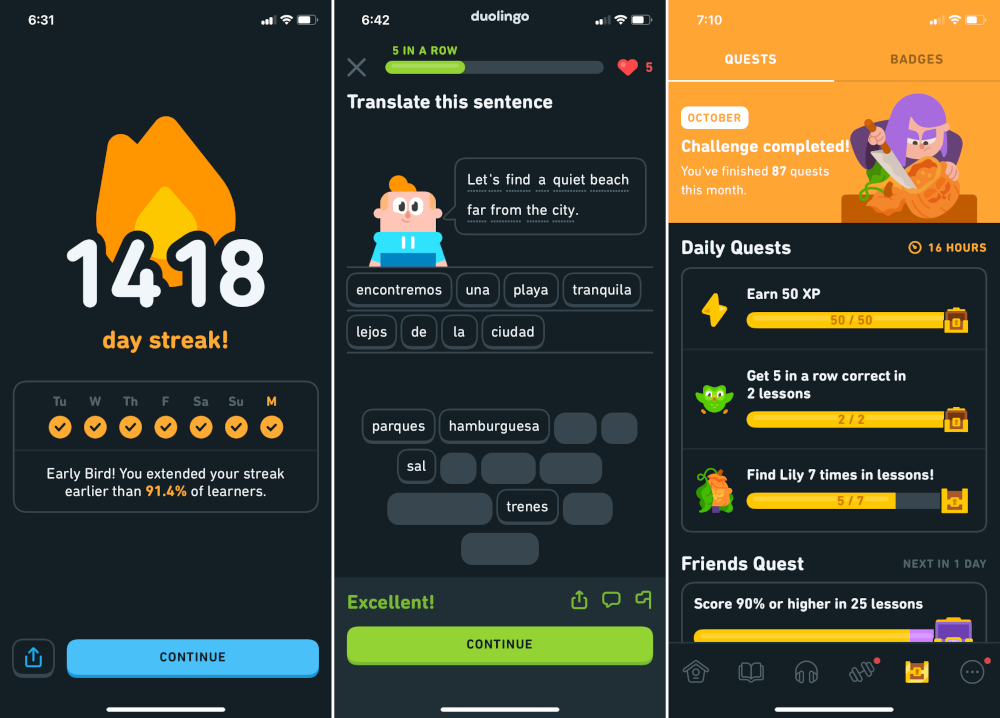
A learner, initially with basic Spanish knowledge, begins using Duolingo. They set a goal to achieve conversational fluency within six months. Their initial focus is on mastering basic greetings, vocabulary, and sentence structures. As they progress, they gradually incorporate listening exercises and interactive dialogues, which are offered within Duolingo’s structured curriculum. They also leverage the app’s community features to connect with other Spanish learners, engaging in conversational practice.
Their progress is tracked within the app, demonstrating their improvement in vocabulary, grammar, and overall fluency over time. This gradual and consistent approach, coupled with utilizing Duolingo’s diverse features, contributes to their success.
Epilogue
In conclusion, maximizing your language learning experience with apps like Duolingo involves understanding their features, employing effective strategies, and actively integrating language learning into your daily routine. By addressing common challenges, leveraging community resources, and embracing advanced techniques, you can significantly accelerate your language acquisition journey. This guide equips you with the knowledge and tools to achieve fluency and master the target language effectively.