Preparing for a language proficiency test like the TOEFL or DELE requires a structured approach encompassing various aspects. This guide will provide a comprehensive overview, covering essential test formats, crucial skills, effective study plans, and valuable practice techniques. From understanding the nuances of different test formats to mastering the key skills needed for success, you’ll find a roadmap to confidently tackle your chosen exam.
The comprehensive guide delves into crucial elements, such as detailed test format explanations, essential skill development strategies, effective study planning, practical practice techniques, and the critical aspect of time management during the actual exam. It also covers the significance of mock tests, valuable resources, and even cultural nuances that might impact your performance. This comprehensive resource aims to empower you with the knowledge and strategies needed to excel in your language proficiency test.
Understanding the Test Format
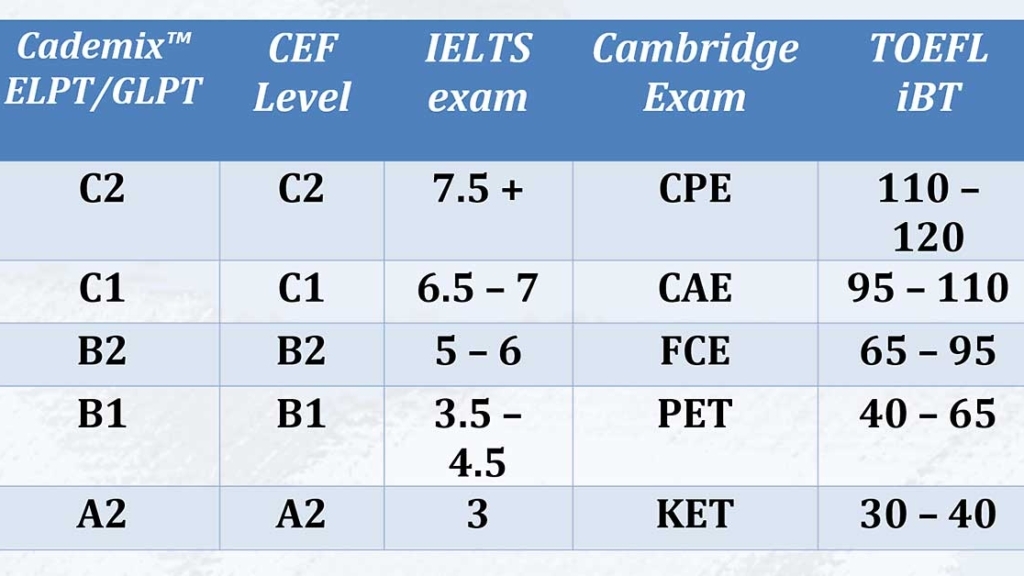
A thorough understanding of the test format is crucial for effective preparation. Familiarity with the structure, sections, and scoring system of exams like TOEFL or DELE allows test-takers to strategically allocate their study time and focus on areas needing improvement. This section provides a detailed overview of these standardized language proficiency tests.
TOEFL and DELE Exam Structure
The TOEFL and DELE exams assess language proficiency in different ways, reflecting their respective purposes. The TOEFL (Test of English as a Foreign Language) is designed to evaluate the English language abilities of non-native speakers, while the DELE (Diplomas de Español como Lengua Extranjera) focuses on assessing Spanish language skills. Both exams are structured in various sections, each measuring a specific skill.
TOEFL Exam Sections
The TOEFL iBT (internet-based test) exam is commonly used and consists of four main sections: Reading, Listening, Speaking, and Writing. Each section evaluates a different language skill and typically has a set time limit. The Reading section involves comprehension of academic texts, while the Listening section focuses on understanding spoken English. The Speaking section requires the test-taker to respond verbally to questions, and the Writing section necessitates composing essays based on provided prompts.
DELE Exam Sections
The DELE exam is designed to evaluate a candidate’s proficiency in Spanish. It assesses different levels of proficiency (A1 to C2) with specific exam formats. The exam usually includes sections focusing on comprehension (reading and listening) and production (writing and speaking). The tasks within each section vary based on the level of proficiency being tested.
Comparison of TOEFL and DELE Exam Sections
The following table provides a comparative overview of the sections within the TOEFL and DELE exams, highlighting the types of questions and tasks in each.
| Exam Section | TOEFL | DELE |
|---|---|---|
| Reading | Comprehension of academic texts, identifying main ideas, supporting details, and vocabulary. | Comprehension of texts related to everyday life, identifying main ideas, and inferring information. |
| Listening | Understanding spoken English, including lectures, conversations, and discussions. | Understanding spoken Spanish, including conversations, interviews, and presentations. |
| Speaking | Expressing ideas, opinions, and providing explanations verbally. | Expressing ideas, opinions, and participating in conversations in Spanish. |
| Writing | Composing essays on provided topics, developing arguments, and supporting claims. | Composing essays, letters, or other written tasks to demonstrate proficiency. |
Scoring System and its Impact
The scoring system in both TOEFL and DELE exams is designed to provide a standardized measure of proficiency. Scores are usually reported on a specific scale, with each section contributing to the overall score. High scores in each section generally indicate a stronger command of the language. Understanding how the scoring system works helps in evaluating strengths and weaknesses and allows for targeted improvement.
Test Format Variations
Different formats of these tests, such as computer-based or paper-based, may slightly differ in terms of the presentation of questions or the specific tasks. Computer-based tests often offer more interactive elements, while paper-based tests typically rely on traditional question-answer formats. The scoring procedures generally remain consistent across different formats.
Mastering Essential Skills
Succeeding in a language proficiency test like the TOEFL or DELE hinges on a strong command of all four language skills: reading, writing, listening, and speaking. This section delves into the intricacies of each skill, offering specific strategies and practice examples to bolster your performance.A comprehensive approach to mastering these skills is crucial. By understanding the nuances of each section and practicing targeted strategies, candidates can significantly improve their overall score and confidently approach the test.
Reading Comprehension Strategies
Effective reading comprehension is vital for high scores. It involves not only understanding individual words and sentences but also grasping the overall meaning and context of the text. Strategies such as actively reading, annotating, and utilizing context clues are essential. Identifying the main idea, supporting details, and the author’s purpose are crucial steps in achieving a deeper understanding.
- Skimming and Scanning: Quickly surveying the text to identify main points and scanning for specific information are invaluable time-saving techniques. This allows for efficient information retrieval during the test.
- Understanding Vocabulary in Context: The meaning of a word often depends on its surrounding words and the overall context of the passage. Employing context clues helps decipher unfamiliar terms.
- Recognizing Different Question Types: Language proficiency tests often use various question types, including inference, detail, and main idea questions. Knowing how to answer each type correctly is essential for maximizing your score.
Practice Questions:
- Question 1: Read the following passage and answer the questions that follow: “The author argues that technological advancements have fundamentally altered the way we communicate. This change has led to both positive and negative consequences.” What is the main idea of the passage? (a) Technological advancements, (b) positive consequences, (c) altered communication, (d) negative consequences.
- Question 2: In the passage, what does the term “ubiquitous” mean in the context of the discussion about communication? (Provide the correct answer and reasoning.)
Writing Strategies
Effective writing involves more than just grammatical accuracy. A strong understanding of essay structure, argumentation, and vocabulary is paramount. Knowing how to organize ideas logically and express them clearly and concisely is crucial.
- Essay Structure: A well-structured essay with a clear introduction, body paragraphs, and conclusion is key. Each paragraph should focus on a single supporting point, ensuring a logical flow of ideas.
- Argumentation Skills: In essay writing, supporting claims with evidence is critical. Using examples, statistics, and logical reasoning strengthens your arguments and demonstrates a comprehensive understanding of the topic.
- Vocabulary and Grammar: A strong vocabulary and precise grammar contribute to the clarity and sophistication of your writing. Using a range of sentence structures adds depth and complexity to your essays.
Practice Questions:
- Question 1: Write a short essay (approximately 200 words) discussing the impact of social media on interpersonal relationships.
Listening Strategies
Effective listening involves more than just hearing the words; it requires understanding the speaker’s message, tone, and intent. Active listening and note-taking skills are vital.
- Note-Taking Strategies: Develop strategies for capturing key information during the listening section. Using abbreviations, symbols, and diagrams can help condense information and facilitate recall.
- Understanding Different Speech Patterns: Accents, colloquialisms, and various speech styles can affect comprehension. Practice listening to a variety of speakers to adapt to different communication patterns.
- Predicting and Inferring: Anticipating the speaker’s points and inferring meaning from context can enhance comprehension during the listening section.
Practice Questions:
- Question 1: Listen to a short audio recording and answer questions based on the content. (Audio recording not provided here.)
Speaking Strategies
Speaking effectively involves fluency, accuracy, and appropriate vocabulary. Clear articulation, confidence, and effective use of body language are key aspects of successful speaking.
- Fluency and Coherence: Practicing speaking and engaging in conversations with native speakers can significantly enhance fluency and coherence. This will allow for more natural and seamless communication.
- Vocabulary and Grammar: A strong vocabulary and accurate grammar are essential for effective communication in speaking. Using a range of sentence structures and varied vocabulary will create more engaging and natural-sounding speech.
- Clarity and Articulation: Clear pronunciation and articulation are essential for effective communication. Practicing pronunciation and enunciation can enhance the clarity of your spoken words.
Practice Questions:
- Question 1: Prepare a short presentation (approximately 2 minutes) on a given topic.
Building a Study Plan

A well-structured study plan is crucial for success in language proficiency tests. It allows you to allocate your time effectively, focus on areas needing improvement, and track your progress. This plan should be tailored to your individual learning style and the specific demands of the test. Remember that consistency is key; regular, focused study sessions are more beneficial than sporadic, lengthy study periods.A robust study plan should incorporate realistic timeframes, acknowledging that effective learning requires focused effort and a reasonable pace.
It should also encompass a detailed strategy for managing study time across various skill areas, ensuring a balanced approach. This allows you to address both strengths and weaknesses, fostering comprehensive improvement. The plan should also incorporate methods that cater to your preferred learning style, be it through flashcards, practice tests, or language exchange.
Sample Study Schedule
A sample study schedule can be tailored to your specific needs and the length of time before the test. It should include daily or weekly targets for each skill.
- Week 1-2: Focus on foundational grammar, vocabulary, and basic reading comprehension. Allocate approximately 2-3 hours daily for this phase.
- Week 3-4: Introduce listening and speaking practice. This phase should include active engagement, such as listening to audio clips and practicing speaking with a language partner. Allocate approximately 2-3 hours daily.
- Week 5-6: Practice writing skills, focusing on essay structure and sentence variety. Allocate approximately 1-2 hours daily.
- Week 7-8: Dedicate time to full-length practice tests. This is essential for familiarizing yourself with the test format and time constraints. Allocate 2-3 hours for practice tests and review.
Allocating Study Time
A detailed breakdown of study time across different sections and skills is vital for a structured approach.
- Grammar (20%): Dedicate specific time slots for reviewing grammar rules, practicing sentence structures, and identifying areas needing further study.
- Vocabulary (30%): Allocate time for memorizing new words and phrases, and for actively using them in sentences. Utilizing flashcards, vocabulary lists, and spaced repetition software is recommended.
- Reading Comprehension (20%): Dedicate time for practice, focusing on strategies for understanding complex texts and identifying key information.
- Listening Comprehension (15%): Allocate time for listening to various audio materials, such as podcasts, news broadcasts, and conversations. Focus on understanding different accents and speeds of speech.
- Speaking (10%): Allocate time for practicing pronunciation, fluency, and responding to prompts. Consider practicing with a language partner or using online speaking platforms.
- Writing (5%): Allocate time for practice writing essays, emails, and other forms of written communication. Focus on grammar, structure, and clarity.
Identifying Strengths and Weaknesses
Identifying strengths and weaknesses in each skill area is crucial for targeted study.
- Self-Assessment: Regularly assess your understanding of each skill through practice exercises and self-testing. Identify topics you excel in and those that present challenges.
- Review Past Mistakes: Analyze previous practice tests or assignments to pinpoint specific areas where you consistently make errors. Understanding these patterns will guide your focus during study.
- Seeking Feedback: Engage with language partners, tutors, or online communities for feedback on your performance. Constructive criticism can reveal blind spots and guide targeted improvement.
Comparing Study Methods
Different study methods cater to varied learning styles.
| Method | Description | Strengths | Weaknesses |
|---|---|---|---|
| Flashcards | Memorizing vocabulary and grammar rules through flashcards. | Effective for memorization, portable, and relatively inexpensive. | Can become repetitive, may not foster deep understanding. |
| Practice Tests | Taking simulated tests to familiarize yourself with the test format and time constraints. | Provides realistic practice, identifies weak areas, and builds confidence. | Can be stressful, may not cover all areas thoroughly. |
| Language Exchange | Interacting with native speakers to practice speaking and listening skills. | Provides real-world application, boosts confidence, and offers a cultural exchange. | Requires consistent participation, may not be suitable for all learning styles. |
Effective Practice Techniques
Thorough practice is crucial for success on language proficiency tests like the TOEFL or DELE. Effective practice goes beyond simply completing exercises; it involves strategic use of various resources and a focused approach to each section of the exam. This section will guide you through a range of effective techniques to optimize your preparation.
Diverse Practice Materials
A multitude of resources are available to enhance your test preparation. These resources cater to different learning styles and preferences, ensuring you find materials that best suit your needs. From online platforms to dedicated books and mobile apps, the options are extensive. This variety allows you to tailor your study sessions to your specific strengths and weaknesses.
- Online Platforms: Numerous online platforms offer comprehensive practice tests, interactive exercises, and detailed explanations. These platforms often provide personalized feedback and progress tracking, allowing you to monitor your improvement over time. Examples include official test provider websites, specialized language learning platforms, and interactive websites specifically designed for practice questions and tests.
- Practice Books: Traditional practice books provide structured exercises and explanations, often covering specific grammar points, vocabulary, and test-taking strategies. These books are valuable for focused study and in-depth review of particular aspects of the language.
- Mobile Applications: Mobile apps offer convenient and accessible practice sessions, frequently integrating gamification elements to enhance engagement and motivation. Many apps offer targeted practice for specific language skills, like listening comprehension or writing. These apps often provide instant feedback and progress tracking, further encouraging active learning.
Effective Methods for Each Section
Understanding the nuances of each section of the exam is key to maximizing your practice time. This tailored approach ensures you allocate time effectively to specific skills. Tailor your practice strategies to the strengths and weaknesses you discover in the different test sections.
- Listening Comprehension: Practice by listening to authentic audio materials, such as podcasts, news broadcasts, or interviews. Actively engage with the audio, taking notes or answering comprehension questions as you listen. Focus on understanding the main ideas and identifying specific details. Repeated listening to the same material can help in comprehension and accuracy.
- Reading Comprehension: Regularly read articles, essays, or other texts relevant to the subject matter of the test. Practice identifying main ideas, supporting details, and vocabulary in context. Analyze the structure and style of different writing types to understand how to effectively approach questions.
- Writing: Practice writing different types of essays, letters, or reports, focusing on structure, grammar, and vocabulary. Review your work critically, paying attention to clarity, coherence, and conciseness. Seek feedback from a language partner or teacher for constructive criticism.
- Speaking: Practice speaking with native speakers or language partners. Engage in conversations, discussions, or presentations. Record yourself speaking and analyze your pronunciation, fluency, and grammar. Seek feedback on your speech patterns and use of language.
Utilizing Practice Tests
Practice tests are indispensable tools for identifying areas requiring improvement. They offer a simulated experience of the actual test conditions, enabling you to assess your current level of preparedness and pinpoint weak areas. By analyzing your performance on practice tests, you can concentrate your study efforts where needed most.
- Identifying Weaknesses: Analyze your performance on practice tests to pinpoint areas where you consistently struggle. This will help you focus your study efforts and allocate more time to those particular skills. Pay attention to patterns in incorrect answers or missed questions.
- Understanding Test Format: Practice tests familiarize you with the structure, question types, and time constraints of the actual exam. This knowledge allows you to better manage your time and stay calm under pressure.
- Estimating Performance: Practice tests provide a realistic estimation of your likely performance on the actual test. Use this insight to make necessary adjustments to your study plan and practice routine. This insight helps to understand your strengths and weaknesses, leading to effective strategies.
Summary of Practice Resources
| Resource | Pros | Cons |
|---|---|---|
| Online Platforms | Personalized feedback, progress tracking, interactive exercises | Potential for distractions, reliance on internet access |
| Practice Books | Structured exercises, in-depth explanations, offline access | Limited interaction, potentially outdated materials |
| Mobile Applications | Convenience, accessibility, gamification elements, instant feedback | Limited features compared to online platforms, potential for dependence on app |
Time Management and Exam Strategy
Effective time management is crucial for success in language proficiency tests. Understanding how to allocate time strategically across different sections is essential to maximize your score and avoid feeling rushed or overwhelmed. A well-planned approach allows you to tackle each question or task with focus and confidence.
Importance of Time Management
Time management is paramount during language proficiency tests. Rushing through sections can lead to careless errors and missed opportunities to demonstrate your full command of the language. Conversely, spending excessive time on a single question can leave insufficient time for other sections. A well-structured approach allows you to maintain a steady pace and approach each task with a sense of control.
Strategies for Pacing Yourself
Developing a consistent pace is key to managing time effectively. Familiarizing yourself with the time allotted for each section is crucial. Understanding the expected time allocation for each task within a section helps you create a personalized timeline for the exam. This approach enables you to avoid being caught off guard by time constraints.
Managing Time in Each Section
- Reading Comprehension: Allocate a set amount of time per passage. Develop a strategy for skimming the passage initially to grasp the main ideas, and then revisit specific areas to answer detailed questions. Practice reading passages at a targeted pace to refine your reading speed.
- Listening Comprehension: Actively listen for key details, jotting down key words or phrases during the audio. Develop strategies to manage the transition between questions. Practice listening to different accents and speeds to improve your comprehension skills.
- Writing: Allocate specific time slots for each part of the writing task. Develop a plan to Artikel your response before writing, ensuring sufficient time for editing and proofreading. Practice writing different types of essays within the time constraints.
- Speaking: Break down the speaking task into segments, setting a specific time limit for each segment. Practice speaking fluently and maintain a clear and focused delivery within the allocated time. Familiarize yourself with the speaking tasks and practice them in a time-bound setting.
Prioritizing Questions Based on Difficulty
Identifying questions based on difficulty is an essential strategy. Quickly scan each section to identify questions you feel confident answering first. Address these questions systematically, and then move on to more challenging ones. This approach minimizes time wasted on difficult questions that might hinder progress on easier ones.
| Question Type | Prioritization Strategy |
|---|---|
| Easy Questions | Answer immediately. |
| Medium Questions | Answer after addressing easy questions. |
| Difficult Questions | Answer only if time permits after completing easier questions. |
“Prioritize questions based on confidence, not just perceived difficulty. Some seemingly difficult questions might be quickly answered if approached strategically.”
Mock Tests and Feedback
Mock tests are indispensable tools for evaluating your preparedness for language proficiency tests like TOEFL or DELE. They provide a simulated testing environment, allowing you to practice under pressure and identify areas needing improvement. Thorough analysis of mock test results is crucial for targeted study and ultimately achieving a higher score.Taking mock tests allows you to experience the actual test format, time constraints, and question types.
This experience builds confidence and helps you manage your time effectively during the real exam. It also exposes potential weaknesses in your skills, which can be addressed proactively through focused study and practice.
Benefits of Taking Mock Tests
Taking mock tests offers numerous benefits beyond simply gauging your current performance. They provide a realistic assessment of your strengths and weaknesses, helping you understand where you excel and where further development is required. This allows for a more focused and efficient study plan, maximizing your time and effort.
Analyzing Mock Test Results
Effective analysis of mock test results is paramount for targeted improvement. Simply reviewing the answers is insufficient. A critical evaluation of your performance, pinpointing specific areas of weakness, is essential for a successful study strategy. Consider the following steps to extract valuable insights from your mock tests.
Steps for Analyzing Mock Test Results
| Step | Action | Explanation |
|---|---|---|
| 1. Review Incorrect Answers | Carefully examine each question you answered incorrectly. | Understanding the reasons behind your mistakes is critical. Identify the specific language point, grammar rule, or vocabulary item that caused the error. |
| 2. Identify Patterns | Look for recurring mistakes across different question types. | Identifying patterns in errors reveals underlying weaknesses that require focused attention. For example, if you consistently struggle with sentence structure, it highlights the need for focused practice in that area. |
| 3. Understand Underlying Causes | Determine the root cause of the errors. | Is it a lack of vocabulary, grammatical confusion, or a misunderstanding of the question? Pinpointing the exact reason for the error will help in devising targeted solutions. |
| 4. Note Weak Areas | Create a list of specific skills or areas where you need improvement. | This list will form the basis for your future study plan. Be as precise as possible, noting specific grammar points, vocabulary items, or test-taking strategies. |
| 5. Seek Feedback | Obtain feedback from a language tutor or a teacher. | A second set of eyes can provide valuable insights and alternative perspectives on your performance. They can help identify areas you might have overlooked or offer more effective strategies for improvement. |
| 6. Develop Targeted Study Plan | Create a plan to address identified weaknesses. | Use the insights gained from the analysis to create a study plan focusing on the specific skills you need to develop. Allocate dedicated time for focused practice and review. |
Improving Weak Areas
Targeted practice is key to addressing weaknesses. Focus on the specific language points, grammar rules, or vocabulary items that caused the errors. Use various practice resources, such as textbooks, online exercises, and practice tests, to reinforce your learning. Remember to consistently review and reinforce the material, using repetition to solidify your understanding.
Resources and Tools
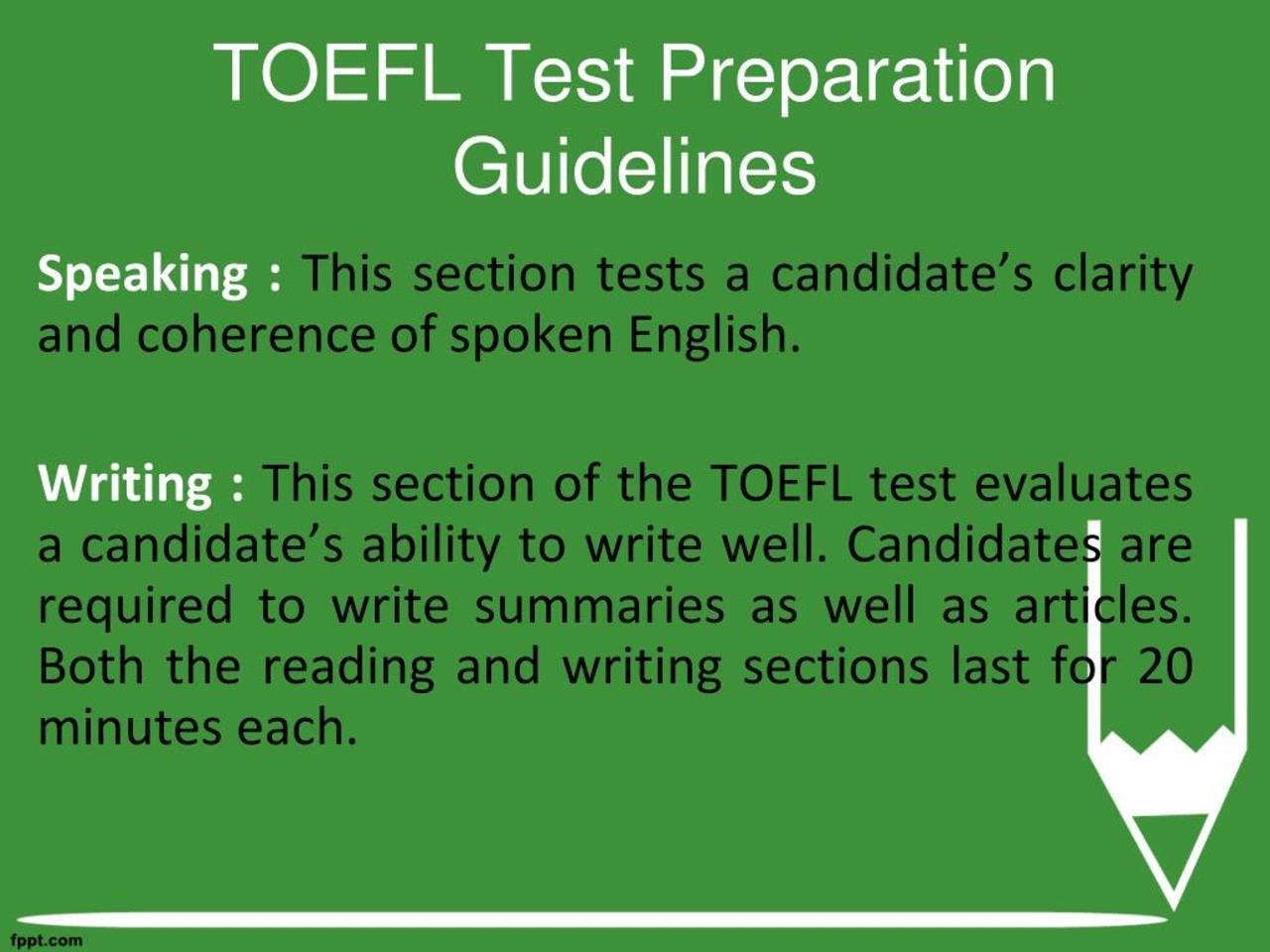
Effective preparation for language proficiency tests like TOEFL or DELE necessitates leveraging a wide array of resources and tools. This involves accessing reputable online platforms, utilizing helpful applications, and engaging with supportive online communities. A strategic approach to utilizing these resources enhances the learning experience and significantly improves test performance.Comprehensive language learning and test preparation often involve a combination of diverse resources.
By carefully selecting and utilizing these tools, students can significantly improve their chances of success.
Reputable Online Resources
Numerous websites offer invaluable resources for language learning and test preparation. These platforms provide structured lessons, practice exercises, and detailed explanations. Choosing reliable and comprehensive resources is crucial for effective study.
- Language Learning Platforms: Platforms like Duolingo, Babbel, and Memrise provide interactive lessons, vocabulary building exercises, and grammar explanations. These platforms offer structured learning paths and adaptive exercises, catering to different learning styles. They also often include practice tests and quizzes to assess progress.
- Test Preparation Websites: Official test preparation websites, such as the websites of ETS (for TOEFL) and the Instituto Cervantes (for DELE), offer comprehensive study guides, sample questions, and practice tests. These resources are invaluable for understanding the format and content of the specific test.
- Academic Journals and Articles: Academic journals and articles provide deeper insights into language acquisition, test-taking strategies, and cultural contexts relevant to the target language. These resources enhance comprehension and offer a more profound understanding of the subject matter.
Helpful Apps and Software
Utilizing mobile applications and software can significantly enhance the learning process. These tools offer convenient access to practice materials and personalized learning experiences. The availability of diverse apps catering to various learning styles and preferences is a significant advantage.
- Flashcards and Vocabulary Builders: Apps like Quizlet and Anki allow users to create and review flashcards for vocabulary and grammar. These tools aid in memorization and retention of key terms and concepts.
- Grammar and Writing Tools: Grammarly and similar tools provide feedback on grammar and writing style, helping users refine their language skills. These tools can be invaluable in improving written communication skills.
- Pronunciation Practice Apps: Apps like HelloTalk and italki facilitate pronunciation practice through interactions with native speakers. These apps can offer a more personalized and engaging approach to improving pronunciation.
Utilizing Online Forums and Communities
Online forums and communities provide a valuable platform for support, discussion, and peer learning. These spaces offer opportunities for students to connect with others facing similar challenges and to share experiences and strategies.
- Support and Guidance: Participating in online forums can provide a supportive network of learners who can offer encouragement, share insights, and answer questions. This peer-to-peer interaction can be invaluable.
- Sharing Strategies and Tips: Sharing effective study strategies, test-taking tips, and language learning experiences with fellow learners fosters a collaborative environment. This can accelerate the learning process and enhance understanding.
- Seeking Clarification and Feedback: Online forums offer opportunities for students to ask clarifying questions, share practice work, and receive constructive feedback from experienced learners or instructors. This process can help students identify areas needing improvement.
Online Resources Table
| Category | Resource | Description |
|---|---|---|
| Language Learning Platforms | Duolingo, Babbel, Memrise | Interactive lessons, vocabulary building, grammar explanations |
| Test Preparation Websites | ETS (TOEFL), Instituto Cervantes (DELE) | Study guides, sample questions, practice tests |
| Flashcards/Vocabulary Builders | Quizlet, Anki | Flashcards, vocabulary exercises |
| Grammar/Writing Tools | Grammarly | Grammar and writing style feedback |
| Pronunciation Practice | HelloTalk, italki | Practice with native speakers |
| Online Forums/Communities | Language learning forums, Reddit communities | Support, discussion, peer learning |
Cultural Nuances
Understanding the cultural context of a language proficiency test like the TOEFL or DELE is crucial for optimal performance. Test questions often subtly reflect cultural norms and expectations. Awareness of these nuances can help candidates tailor their responses and demonstrate a deeper understanding of the language beyond just its grammatical structure.Cultural sensitivity is not merely about avoiding offensive language; it’s about demonstrating a genuine understanding of how language is used within specific social and cultural contexts.
This involves recognizing different communication styles, values, and social expectations. Recognizing these subtleties can help candidates present themselves as more effective and competent communicators.
Cultural Context of Language Proficiency Tests
Language proficiency tests, while designed to assess language skills, can inadvertently reflect cultural biases. For example, questions about social interactions or cultural practices might favor candidates familiar with specific cultural norms. Awareness of this inherent bias is essential for all test-takers.
Influence of Cultural Awareness on Performance
Cultural awareness significantly impacts test performance. Candidates who demonstrate an understanding of cultural context often receive higher scores, as they can tailor their responses to align with the expected communication styles and social norms of the target culture. A candidate who understands the cultural significance behind a specific phrase or idiom will be able to demonstrate a nuanced understanding of the language, leading to a better overall performance.
Examples of Cultural Elements to Consider
Several cultural elements can influence test-taking strategies. For example, in a TOEFL speaking section, a candidate’s response might be evaluated not only on its grammatical accuracy but also on its cultural appropriateness. If a candidate is asked about their opinion on a social issue, they should consider the potential cultural sensitivities involved in their response.Similarly, in a DELE writing task, a candidate should be aware of the preferred writing styles and tone in the target culture.
Common Cultural Differences Affecting Test-Taking Strategies
| Cultural Difference | Potential Impact on Test-Taking Strategies |
|---|---|
| Direct vs. Indirect Communication Styles | Candidates from cultures that value direct communication may struggle with questions that require indirect responses, and vice versa. |
| Individualistic vs. Collectivist Cultures | Questions that prioritize individual perspectives might be more straightforward for those from individualistic cultures, while those from collectivist cultures might need to consider the group’s perspective. |
| High-Context vs. Low-Context Cultures | Understanding the implicit meanings in a high-context culture is essential. Low-context cultures might need to provide more explicit information in their responses. |
| Formal vs. Informal Communication Styles | Candidates should adapt their communication style to the specific context of the test question. |
Understanding these differences allows candidates to prepare effectively and respond appropriately to diverse cultural contexts presented in the test questions.
Ultimate Conclusion

In conclusion, achieving success on a language proficiency test like the TOEFL or DELE hinges on a well-rounded preparation strategy. This guide has Artikeld the essential steps, from understanding the test format and mastering crucial skills to developing a personalized study plan and effectively utilizing practice resources. By combining a strong understanding of the exam with dedicated practice and a strategic approach to time management, you’ll be well-equipped to excel.
Remember, consistent effort and a proactive approach are key to achieving your desired results.