Unlock the power of flashcards for accelerated language acquisition! This comprehensive guide delves into the art of using flashcards effectively, exploring various types, creation methods, and integration with other learning strategies. From simple vocabulary building to advanced techniques for mastering pronunciation and cultural nuances, we’ll equip you with the tools to maximize your language learning journey.
Discover how to design engaging flashcards, implement spaced repetition systems, and leverage active recall techniques. We’ll provide practical examples and actionable steps to seamlessly integrate flashcards into your existing language learning routine, ensuring consistent progress and long-term retention.
Introduction to Flashcard Usage

Flashcards offer a highly effective and versatile approach to language learning. Their simplicity and portability make them a convenient tool for acquiring new vocabulary, grammar rules, and phrases on the go. From basic greetings to complex sentence structures, flashcards can be tailored to meet a wide range of language learning needs. They foster active recall, a crucial component of effective memorization, and can be adapted to various learning styles.Flashcards provide a structured and engaging way to reinforce language acquisition.
They facilitate the memorization of new material through repeated exposure and active recall. By visually associating words, phrases, or grammar rules with their corresponding meanings, flashcards promote a deeper understanding of the language. This active engagement with the material leads to more lasting retention compared to passive methods.
Types of Flashcards and Their Applications
Flashcards can be categorized into various types, each designed for specific language learning objectives. Understanding these different types allows learners to strategically use flashcards to enhance their language skills.
| Type of Flashcard | Description | Use Cases |
|---|---|---|
| Vocabulary Flashcards | These cards feature a word on one side and its definition, pronunciation, or example sentence on the other. | Learning new words, expanding vocabulary, and understanding word context. |
| Grammar Flashcards | These cards illustrate grammatical rules, structures, or exceptions, often with examples of correct usage. | Mastering grammatical concepts, understanding sentence structures, and identifying common errors. |
| Phrase Flashcards | These cards contain common phrases, expressions, or dialogues, with the target language on one side and the translation or explanation on the other. | Learning conversational phrases, improving fluency, and practicing natural language use. |
| Cultural Flashcards | These cards introduce cultural context, customs, or etiquette related to the target language. | Developing cultural awareness, avoiding misunderstandings, and improving cross-cultural communication skills. |
Different types of flashcards are tailored to different learning objectives, allowing learners to strategically reinforce specific areas of language acquisition. By using a combination of vocabulary, grammar, and phrase flashcards, learners can gain a comprehensive understanding of the language. The use of cultural flashcards adds depth by connecting language learning to cultural context.
Effective Flashcard Creation
Creating effective flashcards is a cornerstone of successful language learning. Well-designed flashcards can transform rote memorization into meaningful comprehension, accelerating the acquisition of vocabulary, grammar, and cultural nuances. By strategically incorporating visual aids, mnemonics, and spaced repetition, flashcards become powerful tools for long-term retention.A key element in effective flashcard creation lies in understanding the specific learning objectives and the target language’s unique characteristics.
This understanding guides the selection of content and the design of the card itself, ensuring that the learning process is both engaging and efficient. Consider the learner’s preferred learning style and the level of detail required for comprehension.
Crucial Elements for Flashcard Design
Flashcards should encapsulate the core concepts of the target language. Include the language item (vocabulary, grammar rule, etc.), its definition, and example sentences demonstrating its usage. For vocabulary, provide the word in the target language and the native language translation. For grammar, clearly articulate the rule, provide examples of its application, and illustrate the appropriate context. Accuracy and precision are paramount.
Methods for Flashcard Creation
Different methods for creating flashcards offer various advantages and disadvantages. The chosen method often depends on the learner’s preferences, available resources, and the complexity of the language material.
| Method | Pros | Cons |
|---|---|---|
| Handwritten | Personalized, fosters deeper understanding, encourages active recall, potentially less expensive. | Time-consuming, potentially less visually appealing, handwriting consistency can vary. |
| Digital | Versatile, allows for images, audio, and interactive elements, easier to edit and modify, often portable. | Requires digital tools and potentially more initial setup, can be distracting if not used carefully, risk of technology malfunction. |
| Printed | Tangible, allows for portability, useful for review in various environments. | Can be expensive, space-consuming, may require significant time for printing. |
Step-by-Step Procedure for Designing Effective Flashcards
Creating effective flashcards involves a methodical approach. This structured process ensures the flashcards are optimized for learning and retention.
- Identify Learning Objectives: Determine the specific vocabulary, grammar points, or cultural concepts to be learned. This clarity guides the content selection.
- Content Selection: Choose the language items, definitions, and example sentences that align with the learning objectives. Include translations and context-rich examples whenever possible.
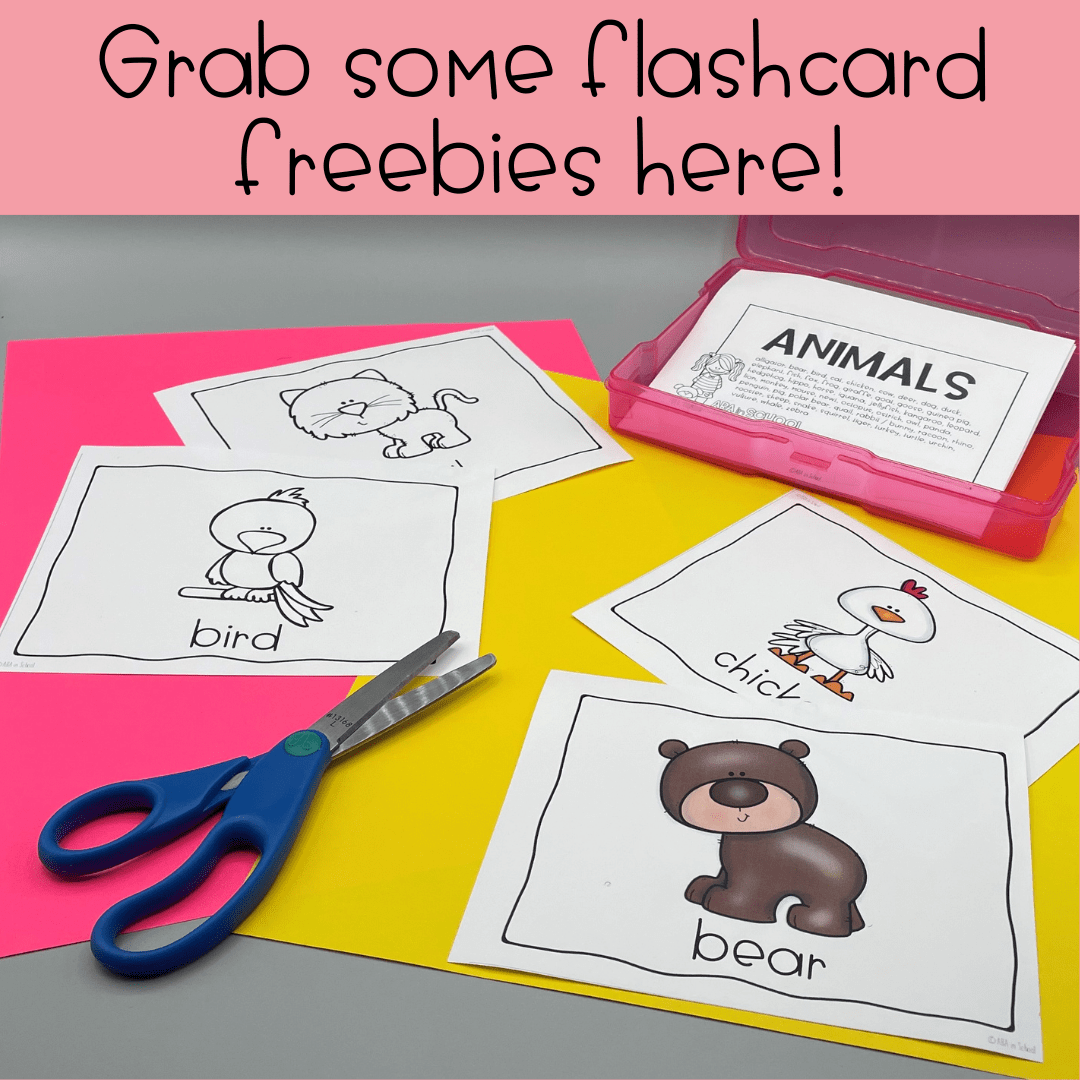
- Visual Aids: Integrate visual aids, such as images, drawings, or diagrams, to enhance memorization. For example, a picture of a “cat” on a flashcard will help solidify the association with the word.
- Mnemonic Devices: Utilize mnemonics to create memorable associations. For instance, associating a word with a vivid image or a memorable phrase can significantly aid recall.
- Spaced Repetition: Employ spaced repetition systems to optimize learning. Review flashcards at increasing intervals to reinforce knowledge and improve long-term retention.
- Feedback Mechanism: Include a system for tracking progress and identifying areas requiring further attention. This could be a simple checkmark or a more sophisticated system.
“Effective flashcards are not just pieces of paper; they are personalized learning tools designed to optimize comprehension and retention.”
Active Recall and Practice Techniques
Flashcards are most effective when used actively, rather than passively. Active recall methods engage the learner more deeply with the material, promoting long-term retention and a stronger understanding of the language. This approach is crucial for moving beyond rote memorization to true comprehension and application.
Importance of Active Recall
Active recall is a powerful learning strategy that involves retrieving information from memory without looking at the source. This process strengthens memory traces, making the information more accessible and durable. When you actively recall a word or phrase, you’re engaging different parts of your brain, forging stronger connections that enhance your understanding and application of the vocabulary. By actively engaging with the material, you are building a robust and adaptable knowledge base, rather than simply accumulating isolated facts.
Active Recall Methods for Flashcards
Several methods can be employed to make active recall with flashcards more engaging and effective. These methods encourage deeper processing and promote a more robust understanding of the material.
- Testing Yourself: A fundamental active recall technique involves regularly testing yourself with the flashcards. This could involve covering the answer and trying to recall it or flipping the card to check your answer. This process forces you to retrieve the information from memory, strengthening your memory pathways.
- Explaining Concepts: Another effective technique involves explaining the meaning or use of the vocabulary word or phrase to yourself or to a partner. This explanation process deepens your understanding and reinforces the connections between the vocabulary and its context.
- Creating Your Own Examples: Active recall is enhanced by actively creating your own examples of how to use the word or phrase. This involves generating sentences, conversations, or scenarios in which the vocabulary is relevant. This personalized application helps to integrate the new material into your existing knowledge structure.
- Using Flashcards in Simulated Conversations: Flashcards can be used to practice simulated conversations, where you use the words and phrases to construct and engage in a dialogue. This practical application helps you understand how the vocabulary is used in context and strengthens your ability to apply the knowledge.
Contrasting Active and Passive Review
| Feature | Active Recall | Passive Review |
|---|---|---|
| Engagement Level | High; requires retrieval and processing | Low; primarily involves looking at information |
| Memory Strength | Stronger; promotes long-term retention | Weaker; primarily short-term retention |
| Understanding Level | Deep; understanding how and why information is relevant | Shallow; primarily recognizing information |
| Learning Outcome | Improved comprehension and application | Limited comprehension and application |
| Effort Required | Higher; actively recalling and processing information | Lower; primarily involves looking at information |
Making Active Recall Fun and Engaging
Making active recall practice fun and engaging is essential to maintaining motivation and maximizing learning.
- Gamification: Incorporating game elements, such as points, leaderboards, or challenges, can make the process more engaging. This approach can motivate learners and encourage them to continue practicing.
- Spaced Repetition Systems (SRS): Employing SRS software can effectively adjust the review schedule based on your performance, presenting flashcards at optimal intervals to maximize retention.
- Learning with a Partner: Studying with a partner or group can increase engagement by providing opportunities for discussion and feedback, as well as creating a more supportive learning environment.
- Using Visual Aids: Adding visual aids, such as images or illustrations, can make the flashcards more interesting and memorable. This can particularly help in associating the vocabulary with a visual context.
Combining Flashcards with Other Learning Methods
Flashcards, while effective on their own, achieve optimal results when integrated with other language learning methods. This approach creates a more comprehensive and engaging learning experience, enhancing retention and application of the learned vocabulary and grammar. Combining flashcards with other activities promotes a holistic understanding of the language, fostering fluency and communication skills.Effective language learning often involves a multi-faceted approach.
Flashcards serve as a powerful tool for memorization, but they are most beneficial when used alongside activities that reinforce and apply the learned material in context. This integrated approach strengthens understanding and ensures the knowledge gained is not just memorized, but also understood and usable.
Integrating Flashcards with Listening Activities
Flashcards can be used to actively engage with listening comprehension exercises. For instance, learners can use flashcards to identify words or phrases heard in audio clips. This approach helps associate the written word with its spoken counterpart, improving auditory recognition. Furthermore, flashcards can be used to predict content in a listening exercise. For example, if a learner sees a flashcard for “restaurant,” they might expect to hear words related to food or dining.
This active prediction enhances listening comprehension.
Integrating Flashcards with Speaking Activities
Flashcards can facilitate speaking practice by providing prompts for conversations. Learners can use flashcards to initiate dialogues, role-plays, or spontaneous discussions. For example, a flashcard displaying “Excuse me” can trigger a conversation about asking for directions. Flashcards also help learners practice pronunciation by visually associating words with their correct pronunciation. In a class setting, a flashcard of “Hello” could prompt a student to pronounce the word correctly.
Integrating Flashcards with Reading Activities
Flashcards can be used to enhance reading comprehension. Learners can use flashcards to look up unfamiliar words or phrases encountered in texts. For example, a flashcard of “ambiguous” can be used to understand its meaning and context within a sentence. This enhances vocabulary acquisition and contextual understanding, crucial for grasping the nuances of a language. Flashcards can also be used to identify key concepts or themes in a reading passage, prompting critical thinking and comprehension.
Integrating Flashcards with Writing Activities
Flashcards can be used as a starting point for writing exercises. Learners can use flashcards to generate ideas for essays, stories, or other writing tasks. For instance, a flashcard showing a scene from a story could spark ideas for the plot or characters. Flashcards can also be used to practice grammar by providing examples and prompts for writing sentences.
Structured Language Learning Routine Incorporating Flashcards
A structured routine maximizes the effectiveness of flashcards. This involves daily or weekly dedicated time for flashcard review and practice. The routine should include a combination of active recall, spaced repetition, and integration with other activities like listening, speaking, and writing. For example, a 30-minute session could involve 15 minutes of flashcard review, 10 minutes of listening comprehension, and 5 minutes of speaking practice using the flashcards as prompts.
Combining Flashcards with Other Methods
| Flashcards | Learning Method | Activity Examples |
|---|---|---|
| Vocabulary | Listening | Matching heard words with flashcard images |
| Grammar Rules | Speaking | Using flashcard prompts for role-playing dialogues |
| Sentence Structures | Reading | Identifying sentence structures with flashcard examples |
| Idioms & Phrases | Writing | Using flashcard examples to write sentences with idioms |
| Culture-Specific Words | Reading/Listening | Understanding cultural context using flashcard explanations |
Troubleshooting and Optimization
Flashcards, while a powerful tool, can present challenges. Understanding common pitfalls and developing strategies to overcome them is crucial for maximizing their effectiveness. This section focuses on troubleshooting issues, optimizing your approach, and tailoring your flashcard usage to your individual learning style and progress.Effective flashcard use involves more than just creating and reviewing cards. Recognizing potential obstacles and adapting your methods is vital for achieving optimal learning outcomes.
This includes recognizing individual learning styles and adjusting strategies accordingly.
Common Pitfalls in Flashcard Usage
Many learners encounter difficulties when using flashcards. These obstacles often stem from insufficient preparation, incorrect card design, or an unsuitable review schedule. Recognizing these pitfalls is the first step towards addressing them.
- Inconsistent Review Schedules: Regular, scheduled reviews are essential for retention. Irregular or infrequent reviews lead to forgetting newly learned material, diminishing the effectiveness of the flashcards. A consistent schedule, like daily or weekly reviews, optimizes learning.
- Poorly Designed Flashcards: Flashcards should be concise, focusing on key information. Ambiguous or overly complex cards can lead to confusion and hinder learning. Well-structured cards, with clear and concise language, are crucial for effective learning.
- Insufficient Active Recall: Simply looking at the answer without actively trying to recall it is not effective. Active recall, where you attempt to retrieve the information before looking at the answer, strengthens memory and boosts comprehension.
- Ignoring Learning Style: Different learners absorb information differently. Some may benefit from visual aids, others from auditory cues. Failing to adapt flashcards to your individual learning style can limit their effectiveness. A variety of techniques, such as using images or audio recordings alongside text, may be helpful.
- Lack of Spaced Repetition: The spacing of reviews is important for memory consolidation. Overcrowding reviews too closely will lead to memorization, not comprehension. A strategically spaced repetition system, where reviews become less frequent as time goes on, improves long-term retention.
Strategies for Overcoming Challenges
Addressing the challenges associated with flashcards is essential to maximize their learning potential. These strategies provide practical solutions to common issues.
- Establish a Review Schedule: Create a consistent review schedule, using a calendar or app to track your progress. Consistency is key to maintaining retention.
- Optimize Flashcard Design: Focus on concise, clear information on each card. Avoid ambiguity and overly complex phrasing. Use images or diagrams where appropriate.
- Employ Active Recall Techniques: Implement active recall strategies. This involves attempting to recall the information before looking at the answer on the card. Use techniques such as self-testing or flashcards games.
- Adapt to Learning Style: Tailor your flashcard usage to your individual learning style. If you are a visual learner, use images or diagrams. If you are an auditory learner, record the definitions or explanations.
- Implement Spaced Repetition Systems: Use spaced repetition software or techniques to adjust the review intervals based on your retention. This helps consolidate learning and improve long-term memory.
Adjusting Your Approach Based on Progress
Adapting your approach based on your progress is vital for sustained learning. As you learn more, your flashcard strategy should evolve.
- Adjust Review Frequency: As you progress, adjust the frequency of your reviews. Move to less frequent reviews for material you have mastered.
- Introduce New Material: Once you have grasped the material on your flashcards, introduce new vocabulary or grammar points.
- Create Advanced Flashcards: Create flashcards that address more complex concepts or advanced vocabulary.
- Focus on Areas of Weakness: Identify areas where you struggle and create flashcards focused on those specific concepts. Targeted practice strengthens understanding.
- Combine with Other Methods: Continue to integrate flashcards with other language learning methods, like conversation partners or language exchange programs, to maintain momentum and foster practical application.
Table of Common Mistakes and Solutions
| Common Mistake | Solution |
|---|---|
| Inconsistent review schedules | Establish a regular schedule and stick to it. |
| Poorly designed flashcards | Focus on concise, clear information. Use images or diagrams. |
| Insufficient active recall | Attempt to recall information before looking at the answer. |
| Ignoring learning style | Tailor your flashcards to your individual learning style. |
| Lack of spaced repetition | Use spaced repetition systems to adjust review intervals. |
Advanced Techniques for Maximizing Learning
Flashcards, when used strategically, can significantly enhance language learning beyond basic vocabulary acquisition. This section explores advanced techniques to maximize the effectiveness of flashcards, focusing on targeted skill development, contextual understanding, and long-term retention strategies. These methods will help learners move beyond rote memorization and cultivate a deeper comprehension of the language.
Targeting Specific Language Skills
Flashcards can be tailored to address specific language learning needs. For instance, pronunciation flashcards can feature audio recordings of the target word or phrase, enabling learners to actively listen and practice their pronunciation. Similarly, dedicated flashcards for grammar rules or writing prompts can help refine those areas. Developing specific flashcards can make the learning process more focused and result in noticeable improvements in particular language skills.
Learning Idioms, Collocations, and Cultural Context
Flashcards offer a powerful way to understand and retain idioms, collocations, and cultural nuances. These flashcards should include not only the idiom or collocation but also examples of its usage in sentences, explanations of its meaning, and cultural background. This multifaceted approach helps learners grasp the idiomatic expressions and their contextual relevance, allowing them to communicate more naturally and effectively.
A comprehensive flashcard deck can also feature images or cultural references that reinforce understanding.
Reviewing Flashcards in Diverse Environments
Reviewing flashcards in varied settings enhances memory retention. Spontaneous reviews in different environments, such as while commuting or during breaks, activate different neural pathways, leading to stronger memory encoding. Reviewing flashcards in places where the language is spoken or actively used can create more meaningful connections. For example, reviewing vocabulary related to food while eating at a restaurant can greatly improve retention and recall.
Incorporating Flashcards into a Long-Term Strategy
Flashcards can be seamlessly integrated into a broader language learning strategy. This might involve using them as a supplementary tool alongside other methods like language exchange programs, language learning apps, or immersion experiences. Combining flashcards with other techniques provides a holistic approach to learning, addressing different learning styles and preferences. For instance, using flashcards to memorize new vocabulary, followed by practicing their usage in conversation, creates a more effective and engaging learning experience.
This iterative process will help learners gain confidence and proficiency in the target language.
Flashcard Examples
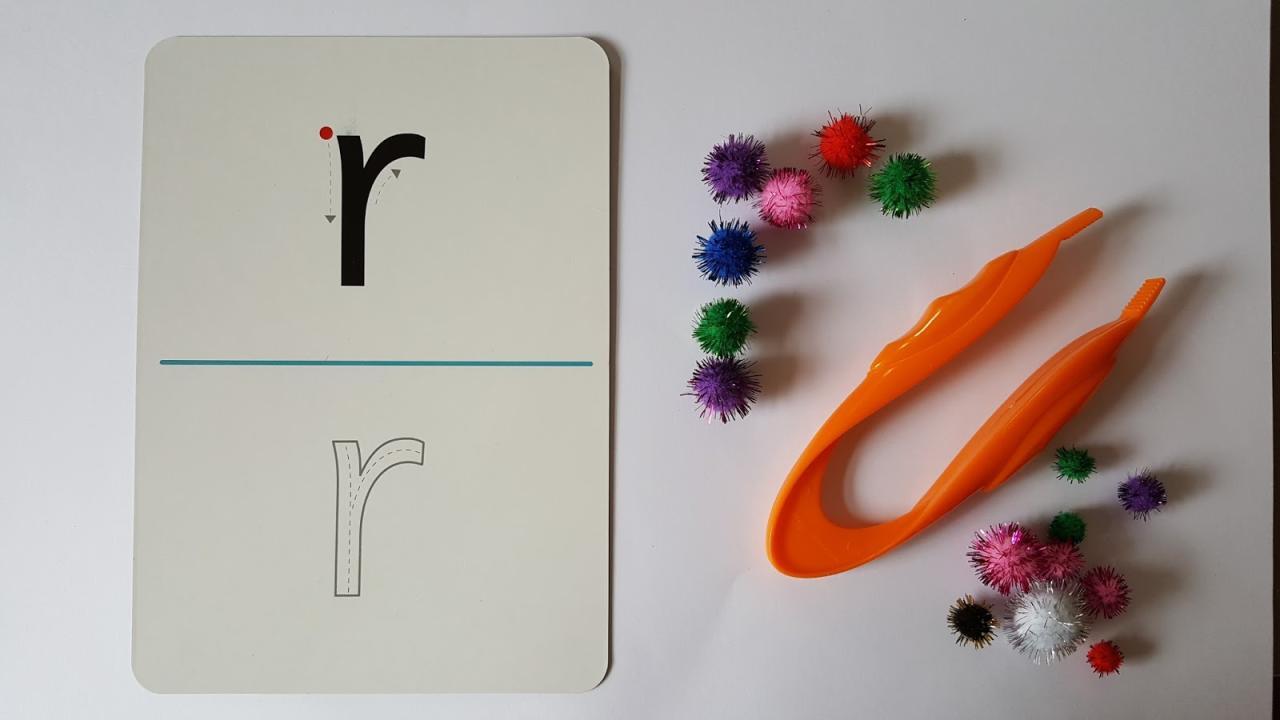
Flashcards are a versatile tool for language learning, and their effectiveness significantly improves when tailored to specific learning styles and content. Properly designed flashcards can engage multiple senses, enhancing memory retention and comprehension. This section will illustrate various flashcard types and provide practical examples.
Different Flashcard Types
Different types of flashcards cater to various learning needs. Vocabulary flashcards, for example, typically present the target word in one language on one side and its equivalent in another language on the other side. Grammar flashcards often focus on grammatical rules or structures, presenting the rule on one side and an example sentence or diagram illustrating its application on the other.
Phrase flashcards provide useful expressions or common phrases in a language, often including the context or situation where they might be used. These different types of flashcards enable a structured approach to language acquisition.
Visual Aids in Flashcards
Incorporating visual aids significantly boosts memorization. Images, illustrations, or even simple drawings can greatly aid comprehension and recall. For example, when learning vocabulary related to fruits, a simple drawing of a banana on the flashcard alongside the word “banana” will create a stronger mental association, making the word more memorable. Similarly, grammar flashcards could include diagrams illustrating sentence structure or grammatical concepts, or phrases flashcards could have simple images depicting the scenario in which the phrase would be used.
This visual approach fosters a more comprehensive understanding.
Color and Layout for Effective Memorization
Color-coding and strategic layout enhance the effectiveness of flashcards. Using different colors for different categories (e.g., nouns in blue, verbs in green) can improve organization and retrieval. A visually appealing layout, such as using a consistent font size and spacing, can contribute to better focus and readability. For example, a vocabulary flashcard for colors could use a different shade of the respective color for each word, while a grammar flashcard could have a section for the rule highlighted in a contrasting color.
This visual differentiation aids in quicker identification and understanding.
Flashcard Set: Colors and Numbers
This set provides a practical example for learning colors and numbers in a new language (assuming the target language is Spanish).
| Color | Spanish Word | Image |
|---|---|---|
| Red | Rojo | A small, simple drawing of a red apple. |
| Blue | Azul | A small, simple drawing of a blue sky. |
| Green | Verde | A small, simple drawing of a green leaf. |
| Yellow | Amarillo | A small, simple drawing of a yellow sun. |
| Number | Spanish Word | Image |
|---|---|---|
| One | Uno | A simple drawing of a single object, like a pencil. |
| Two | Dos | A simple drawing of two objects, like two birds. |
| Three | Tres | A simple drawing of three objects, like three stars. |
| Four | Cuatro | A simple drawing of four objects, like four flowers. |
This table demonstrates a practical application of flashcards, illustrating how visual aids, color-coding, and a well-structured layout can be integrated to make learning more engaging and effective.
Illustrative Examples
Flashcards, when used effectively, can significantly enhance language learning. This section provides concrete examples demonstrating how learners can leverage flashcards for optimal results, highlighting successful application and overcoming common challenges. Practical illustrations showcase the versatility of flashcards in different learning stages.
A Successful Language Learning Scenario
A student, Maria, aiming to learn Spanish for travel, created flashcards categorized by topic. She focused on vocabulary related to travel, food, and basic greetings. Each flashcard displayed a Spanish word on one side and the English translation on the other. Maria actively reviewed these cards, initially using spaced repetition software to schedule her reviews. She also used the flashcards in practical situations, such as ordering food at a restaurant or asking for directions.
This consistent application of flashcards helped her to build a solid foundation of Spanish vocabulary and phrases. Regular use, coupled with contextual practice, proved invaluable in her language acquisition journey.
Overcoming Language Learning Challenges with Flashcards
Flashcards can be particularly helpful in overcoming challenges like memorizing irregular verbs or retaining new grammatical structures. For example, a learner struggling with French irregular verbs could create flashcards, one side showing the infinitive form and the other the conjugated forms across different tenses. By consistently reviewing these flashcards, coupled with writing and speaking exercises, the learner can internalize the patterns and exceptions.
This targeted approach can significantly improve understanding and application of the irregular verb forms.
An Effective Flashcard System for Beginners
A beginner learning Japanese can benefit from a structured flashcard system. The system should incorporate key elements such as hiragana and katakana characters. Each flashcard should present the character on one side and its pronunciation and meaning on the other. Further, include example sentences using the character, fostering contextual understanding. This approach helps the learner build a strong foundation in basic pronunciation and writing, gradually moving towards more complex vocabulary and grammatical structures.
Flashcards, categorized by topic and difficulty, aid in targeted practice, maximizing learning efficiency.
Flashcard Example: Beginner Japanese
| Flashcard Side 1 (Character) | Flashcard Side 2 (Pronunciation & Meaning) |
|---|---|
| あ | a (a vowel sound), “a” |
| い | i (a vowel sound), “i” |
| う | u (a vowel sound), “u” |
| え | e (a vowel sound), “e” |
| お | o (a vowel sound), “o” |
This example demonstrates a simple flashcard set for basic Japanese vowels. More advanced flashcards could include Kanji characters and their meanings.
Ultimate Conclusion
In conclusion, this guide has illuminated the diverse applications of flashcards in language learning. By mastering the art of flashcard creation, strategically implementing spaced repetition, and engaging in active recall, you can transform your language learning experience. We’ve provided a robust framework for effective flashcard use, adaptable to various learning styles and goals. Now go forth and conquer your language learning aspirations!