Unlock the power of music and lyrics to accelerate your language learning journey! This comprehensive guide explores how songs and lyrics can be leveraged as effective tools for vocabulary acquisition, grammar understanding, and pronunciation improvement. From choosing the right music to maximizing active listening techniques, we’ll provide practical strategies and insights to make language learning enjoyable and engaging.
Learning a new language can be a challenging yet rewarding experience. By integrating music and lyrics into your language learning routine, you can create a more immersive and enjoyable learning environment. This approach fosters a deeper connection with the target language, making the process more dynamic and memorable.
Introduction to Language Learning with Music and Lyrics
Music and lyrics offer a unique and engaging approach to language learning. They can significantly enhance vocabulary acquisition, improve pronunciation, and foster a deeper understanding of cultural nuances. This approach leverages the natural human affinity for rhythm, melody, and storytelling, making the learning process more enjoyable and memorable.Utilizing music and lyrics for language learning taps into multiple cognitive pathways, allowing learners to absorb language structures and vocabulary in a contextually rich environment.
This method proves particularly effective in enhancing listening comprehension, and in developing a more intuitive grasp of the target language.
Effective Utilization of Music and Lyrics for Language Acquisition
Music and lyrics serve as powerful tools for language learning by presenting language in a natural, contextually relevant manner. Learners are exposed to authentic language use, rather than isolated vocabulary or grammar exercises. This immersion in natural language fosters a deeper understanding and retention of vocabulary and grammar rules. Furthermore, the emotional and cultural context embedded in music and lyrics allows learners to connect with the target language on a deeper level.
Different Ways Music and Lyrics Aid Language Learning
Several approaches leverage music and lyrics for effective language learning. These include listening comprehension exercises, identifying vocabulary, and singing along. By actively engaging with the music, learners can improve their listening skills and develop a stronger sense of rhythm and intonation. Furthermore, deciphering lyrics encourages learners to expand their vocabulary and understand the nuances of the language.
Benefits of Using Music and Lyrics for Language Learning
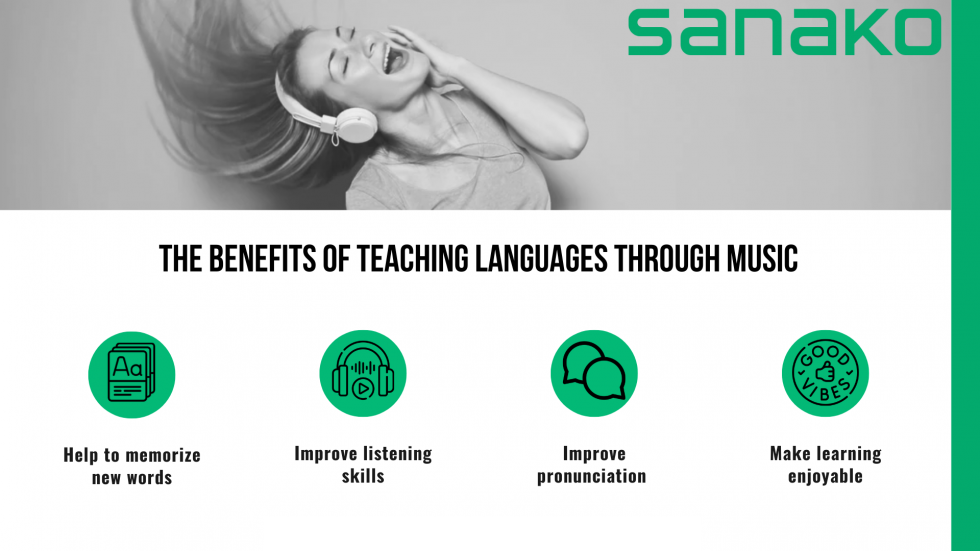
The benefits of integrating music and lyrics into language learning are numerous. This approach promotes active recall and improves listening comprehension. It fosters a more engaging and enjoyable learning experience, making language acquisition less daunting. Furthermore, the musical context provides a rich framework for understanding cultural nuances and expressions. The use of music and lyrics also helps to develop confidence in speaking the target language by creating a supportive and engaging learning environment.
Suitable Types of Music and Lyrics for Language Learning
The selection of music and lyrics plays a crucial role in the effectiveness of this learning method. The appropriateness of the material depends on the learner’s proficiency level and the specific language learning goals. Consider starting with simpler songs with clear pronunciation and gradually progressing to more complex materials as proficiency increases.
Examples of Music and Lyrics for Language Learning
The table below provides examples of music genres, languages, and corresponding learning objectives:
| Music Genre | Language | Learning Objectives |
|---|---|---|
| Pop | Spanish | Vocabulary related to daily life, greetings, and simple phrases; pronunciation practice |
| K-Pop | Korean | Sentence structure, common expressions, and cultural context; listening comprehension practice |
| Brazilian Samba | Portuguese | Pronunciation of vowel sounds, understanding rhythm and musicality; cultural understanding |
| French Chanson | French | Familiarization with French pronunciation, understanding colloquial expressions, and appreciating French culture. |
| Classical Music | Italian | Expanding vocabulary associated with musical terminology, improving pronunciation, and enhancing aural perception of the language. |
Practical Application of Music in Language Learning

Music, with its inherent rhythm and melody, can be a powerful tool for language acquisition. By engaging with music in a structured way, learners can significantly improve their vocabulary, grammar understanding, pronunciation, and overall language fluency. This approach transcends rote memorization, making language learning more enjoyable and effective.Learning a language through music goes beyond passive listening. Active engagement with the music, focusing on lyrics and the accompanying sounds, is key to unlocking its potential as a learning tool.
Understanding the cultural context behind the music can further enrich the learning experience, fostering a deeper connection to the target language and culture.
Utilizing Music to Learn Vocabulary and Phrases
Learning new vocabulary and phrases through music involves more than simply hearing them. Strategies such as identifying key words in lyrics and relating them to visual aids, context clues, and existing knowledge can enhance retention. Creating flashcards with the new words and phrases, using them in sentences, and singing along are all effective methods. For example, a learner encountering the phrase “mi casa es su casa” in a Spanish song could visualize a home and connect the words to the concept of hospitality.
Learning Grammar Through Lyrics
Music provides a dynamic environment for understanding grammar. Lyrics often showcase the natural flow and structure of the language. By analyzing the sentence structures in the lyrics, learners can identify patterns, tenses, and grammatical rules in a relatable and engaging way. For instance, identifying the use of past tense verbs in a French song allows learners to internalize the grammatical structure in a practical context.
Improving Pronunciation and Intonation
Music plays a crucial role in improving pronunciation and intonation. By listening to and singing along with the music, learners can mimic the correct pronunciation of words and phrases, thereby internalizing the nuances of the target language. Furthermore, paying close attention to the melody and rhythm of the music helps learners to develop a better sense of intonation.
Listening to native speakers and comparing their pronunciation to the music provides a more comprehensive understanding.
Active Engagement with Music for Enhanced Language Learning
Active engagement with music fosters a more profound understanding of the language. This can include translating lyrics, writing original lyrics based on learned vocabulary and grammar, or even creating a karaoke session with peers. Learning through music can be particularly effective when combined with other language learning activities, such as reading or conversation practice.
Music Learning Activities for Different Language Levels
- Beginner Level: Focus on simple songs with repetitive phrases. Learners can listen to the song repeatedly, focusing on identifying key vocabulary and phrases. Creating a chart to track new words and their meanings, along with simple actions associated with the words, can make learning more engaging.
- Intermediate Level: Learners can move beyond basic songs to more complex music. Analyzing the lyrics for grammar structures, sentence patterns, and contextual use of vocabulary becomes more important. They can participate in discussions about the meaning of the lyrics and their cultural implications.
- Advanced Level: Learners can delve into more sophisticated songs and explore the nuances of the language through lyrics. Analyzing complex sentence structures and idiomatic expressions, while engaging in discussions about the context of the music and the cultural aspects it reflects, allows learners to elevate their understanding to a higher level.
Selecting Appropriate Music and Lyrics for Learning

Choosing music and lyrics that align with your language learning goals is crucial for effective and enjoyable learning. Careful selection can significantly enhance vocabulary acquisition, pronunciation practice, and cultural understanding. The key is to find material that challenges you appropriately, sparks your interest, and fosters a sense of immersion in the target language.Appropriate music selection is pivotal in language learning.
It allows learners to engage with authentic language in a more relaxed and engaging environment compared to formal exercises. By understanding the correlation between proficiency level and music choice, learners can optimize their language learning experience.
Identifying Music for Different Proficiency Levels
Matching the difficulty of the music to your current language proficiency is essential for optimal learning. Beginners should opt for songs with simple vocabulary and clear pronunciation. Intermediate learners can gradually increase the complexity of the lyrics and the speed of the music. Advanced learners can tackle more challenging songs with nuanced vocabulary and complex sentence structures.
The challenge should encourage growth without overwhelming the learner.
Choosing Music and Lyrics Aligned with Learning Goals
Selecting music and lyrics relevant to your language learning objectives is important. If your goal is to expand your vocabulary, choose songs with rich vocabulary related to your interests. If you want to improve your pronunciation, select songs with clear articulation and vocal delivery. Consider songs that reflect the culture and customs of the target language for cultural immersion.
The song’s subject matter should align with the learner’s interests to maintain motivation.
Resources for Finding Music and Lyrics
Numerous resources are available to aid in finding suitable music and lyrics in the target language. Online music platforms, dedicated language learning websites, and social media groups dedicated to language learning often feature playlists tailored to different levels and interests. Furthermore, dedicated language learning apps and resources offer curated song lists. The availability of these resources is substantial and diverse.
- Online Music Platforms: Platforms like Spotify, YouTube Music, and Apple Music often allow users to search for music by language or artist, making it easier to find appropriate songs.
- Language Learning Websites: Numerous language learning websites provide curated playlists and resources for learners to access target language music.
- Social Media Groups: Dedicated language learning groups on platforms like Facebook and Discord often have threads and discussions focused on music for language learning.
- Language Learning Apps: Many language learning apps integrate music and lyrics into their lessons, providing structured learning opportunities.
Comparing Music Genres for Language Learning
Different music genres offer varying benefits for language learning. Pop music, with its catchy melodies and repetitive lyrics, can be beneficial for vocabulary acquisition and pronunciation practice. Folk music, often incorporating traditional storytelling and cultural elements, can provide insights into the culture and history of the target language. Classical music, though less directly beneficial for language learning, can foster an appreciation for the target language’s culture and aesthetics.
Examples of Music from Different Countries/Regions
The following table provides examples of music from different countries or regions, categorized by language and genre. It illustrates the diversity of musical styles and the potential for engaging with different cultures through music.
| Country/Region | Language | Genre | Example Song/Artist |
|---|---|---|---|
| Brazil | Portuguese | Samba | “Asa Branca” by Luiz Gonzaga |
| Spain | Spanish | Flamenco | “La Buleria” by Camarón de la Isla |
| Japan | Japanese | J-Pop | “Haruka Kanata” by AKB48 |
| France | French | Chanson | “Comme d’habitude” by Jacques Brel |
| Germany | German | Schlager | “Ein bisschen Frieden” by Marianne Rosenberg |
Maximizing Learning Through Active Listening and Participation
Engaging with music and lyrics actively is crucial for language acquisition. This involves more than just passively listening; it necessitates active participation to reinforce understanding and retention. By actively interacting with the musical content, learners can deepen their comprehension and improve their overall language skills.Active engagement with the material, whether it be repeating lyrics or singing along, can significantly boost the learning process.
This active participation transforms the passive act of listening into an interactive experience, allowing learners to connect with the language on a deeper level.
Techniques for Active Listening
Active listening in language learning involves focusing intently on the auditory input and consciously processing the information. This includes paying close attention to pronunciation, intonation, and rhythm. Identifying and understanding the nuances of spoken language is crucial. For example, understanding how stress and intonation affect meaning in a sentence is vital. Furthermore, note how the rhythm of the language affects the flow and cadence of the music.
Understanding the rhythm and flow will aid in grasping how the language structures itself.
Benefits of Singing Along and Repeating Lyrics
Singing along and repeating lyrics enhances pronunciation, vocabulary acquisition, and overall language fluency. The repetition reinforces the auditory and visual connection to the words. Singing along with the music also helps learners get accustomed to the natural rhythm and cadence of the language, contributing to improved fluency and intonation. This process improves memory and retention of vocabulary.
For example, singing along to a song repeatedly will help memorize the lyrics and words used.
Strategies for Creating a Language-Learning Environment with Music
Creating a dedicated language-learning environment with music involves carefully curating a playlist that aligns with your learning goals. This personalized approach is crucial for effective language learning. Using music in the learning environment will create a positive and engaging atmosphere. This can include playing music during study sessions, while commuting, or even while doing household chores. For example, a student could create a playlist of songs from a specific country’s popular music genre and listen to it repeatedly, or use the music as a background noise during other learning activities.
Using Music for Cultural Immersion
Music often reflects a culture’s values, traditions, and history. Listening to music from the target language culture provides valuable insights into the local customs and social norms. Understanding the cultural context behind the music can help learners gain a more profound understanding of the language. Music can be used to understand the different aspects of a country’s culture.
This could include listening to music from various periods in the country’s history. This will provide a deeper understanding of the language and culture.
Creating Personalized Playlists for Language Learning
A personalized playlist is tailored to individual learning needs and preferences. It’s important to select music that is engaging and enjoyable to listen to. Consider the following steps:
- Identify Learning Goals: Determine the specific aspects of the language you want to focus on (vocabulary, grammar, pronunciation). This will help narrow down the selection criteria.
- Choose Music with Suitable Difficulty: Start with simpler songs and gradually increase the complexity as your language skills improve. This ensures gradual learning and prevents frustration.
- Incorporate Diverse Genres: Listen to music from various genres to expose yourself to different vocabulary and expressions. The diversity of genres provides a wide range of language styles, which aids in language learning.
- Focus on Lyrics and Translations: Use lyrics with translations to actively engage with the meaning of the songs. Compare the lyrics and translations to identify different vocabulary and usage patterns. This will help understand the meanings and nuances of words.
- Regularly Review and Update: Regularly review your playlist and update it with new songs as your language proficiency develops. This ensures that the learning experience remains engaging and challenging.
Overcoming Challenges and Maintaining Motivation
Embarking on a language learning journey, particularly one utilizing music and lyrics, can be a rewarding but sometimes challenging endeavor. This section will address potential obstacles and equip learners with strategies to navigate them effectively, ensuring sustained motivation throughout the process. Maintaining consistent effort is crucial for achieving language proficiency, and understanding the challenges and how to overcome them is vital for success.
Potential Challenges in Language Learning with Music
Learning a language through music and lyrics presents unique challenges. These challenges can range from the complexity of the language used in the songs to the difficulty in understanding the nuances of the lyrics, particularly when dealing with idioms or slang. Furthermore, the pace of the music might not always align with the learner’s comprehension abilities. The emotional impact of the music can also be a double-edged sword, sometimes hindering concentration and comprehension if not approached thoughtfully.
Additionally, the lack of direct interaction with a native speaker or language tutor can present challenges in acquiring conversational fluency.
Strategies for Overcoming Challenges
Addressing the aforementioned obstacles requires proactive strategies. One effective approach is to choose music that gradually increases in complexity as the learner progresses. Start with simple songs featuring clear pronunciation and straightforward vocabulary, progressively moving to more complex material. Using lyrics as a supplementary learning tool, focusing on key phrases, idioms, and grammatical structures within the lyrics can significantly enhance comprehension.
Employing visual aids, such as the lyrics displayed on a screen, can also support understanding. Moreover, actively engaging with the music by singing along, or repeating phrases, can improve memorization and retention.
Maintaining Motivation
Sustaining motivation throughout the language learning journey is essential. Setting realistic goals and expectations plays a pivotal role in maintaining a positive mindset. Break down large goals into smaller, achievable milestones. Celebrate each accomplishment, no matter how small, to reinforce the positive reinforcement cycle. This approach helps to maintain a sense of progress and keeps the learner engaged.
A language learning journal can serve as a valuable tool, allowing for recording progress, tracking challenges, and documenting successes.
Importance of Realistic Goals and Expectations
Setting realistic goals is crucial for long-term success. Instead of aiming for fluency overnight, focus on gradual progress. Establish short-term goals, such as learning a specific vocabulary list or understanding a particular song’s lyrics, then gradually increase the complexity. For example, a beginner might initially focus on learning greetings and basic phrases. As proficiency grows, the goals can be adjusted to encompass more advanced concepts and skills.
Avoid comparing oneself to others, focusing instead on personal progress and individual milestones.
Consistent Practice and Review Using Music
Regular practice and review are essential for reinforcing newly acquired knowledge and skills. Listen to songs frequently, paying close attention to pronunciation, intonation, and grammar. Review learned vocabulary and phrases by singing along or repeating them aloud. Employing spaced repetition techniques, which involve reviewing material at increasing intervals, can significantly enhance memory retention. Incorporating music into daily routines, such as while commuting or during relaxation, can make learning more enjoyable and sustainable.
For example, create a dedicated language learning playlist and listen to it during a specific time each day.
Final Summary

In conclusion, this guide has provided a structured approach to using music and lyrics for language learning. We’ve explored various techniques, from selecting appropriate music to actively engaging with the material. By combining these strategies, you can significantly enhance your language acquisition, build confidence, and ultimately achieve fluency. Remember that consistency and active participation are key to maximizing your learning experience.
So, put on your headphones, choose your favorite songs, and embark on a musical adventure to language mastery!