Unlocking the power of language learning through your passions is easier than you might think. This guide explores how integrating your hobbies into your language acquisition journey can transform the learning experience, making it more engaging and effective. From selecting the perfect hobby to mastering specific language skills, we’ll provide practical strategies and insights to help you achieve your language goals.
The process of learning a language can often feel daunting. This comprehensive guide breaks down the process into manageable steps, making it easier to incorporate your hobbies into your language learning routine. We’ll examine how diverse hobbies, tailored to different learning levels, can enhance your language proficiency, from basic conversation to nuanced writing.
Introduction to Using Hobbies for Language Learning
Engaging in hobbies is a powerful tool for language acquisition. Beyond rote memorization and structured classes, hobbies provide a natural and enjoyable context for language use. By immersing oneself in a passion, learners can actively apply their linguistic skills in meaningful situations, fostering fluency and comprehension. This approach transcends the typical classroom setting, offering a more personalized and effective pathway to language mastery.Hobbies allow for a deeper engagement with the target language.
The focus shifts from formal grammar exercises to practical application, enabling learners to pick up nuances and colloquialisms that might be missed in traditional language study. This immersive approach is particularly effective for developing listening and speaking skills.
Hobbies and Language Learning Applications
Hobbies offer diverse opportunities for language learning. The key is to find activities that align with your interests and the language you’re learning. This alignment ensures consistent engagement and prevents the learning process from feeling like a chore.
| Hobby | Language Learning Applications |
|---|---|
| Reading | Engaging with literature, novels, or articles in the target language exposes learners to vocabulary, sentence structures, and cultural contexts. Reading for pleasure is a highly effective way to improve comprehension and vocabulary acquisition. |
| Watching movies/TV shows | Subtitled or dubbed content allows learners to absorb spoken language, expressions, and cultural references. Watching favorite content in the target language can make learning feel less like a task and more like enjoyment. |
| Playing video games | Interactive games often feature voice acting and text prompts in the target language. This immersion can help learners develop listening and speaking skills in a fun and engaging way. Many games feature dialogues and character interactions that aid in language learning. |
| Cooking | Following recipes and reading instructions in the target language provides a hands-on opportunity to learn vocabulary related to food, measurements, and cooking techniques. Learning to cook in a new language allows learners to combine culinary knowledge with linguistic exploration. |
| Playing a musical instrument | Learning a musical instrument in the target language provides exposure to musical terminology and expressions. Singing along to songs or listening to music can help learners understand pronunciation and intonation. Furthermore, many songs contain lyrics that can be used for vocabulary practice. |
| Writing | Writing in the target language, whether it’s journaling, poetry, or short stories, helps learners practice grammar and vocabulary in a creative context. This encourages the application of learned structures in an expressive way. |
Benefits of Incorporating Hobbies into Language Learning
Incorporating hobbies into language learning offers a range of benefits that extend beyond simple vocabulary acquisition. It fosters a more enjoyable and sustainable learning experience.
- Increased Motivation: Hobbies provide a personal connection to the language, motivating learners to engage with it more consistently. The intrinsic reward of pursuing a passion outweighs the feeling of obligation associated with traditional study methods.
- Enhanced Engagement: Hobbies turn language learning into a dynamic process, promoting active participation and long-term interest. The interactive nature of hobbies keeps the mind engaged and fosters deeper understanding.
- Improved Fluency: The active use of the language in a meaningful context leads to quicker improvement in fluency and conversational skills. Using a language within a hobby provides a natural environment to practice.
- Cultural Understanding: Hobbies often reveal cultural aspects of the target language, fostering deeper appreciation and understanding of the culture associated with it. Learning about a culture through hobbies enriches the language-learning experience.
- Greater Confidence: Success in pursuing a hobby in the target language builds confidence in the learner’s ability to use the language effectively. This newfound confidence translates to improved communication skills in other areas.
Choosing the Right Hobby for Language Learning
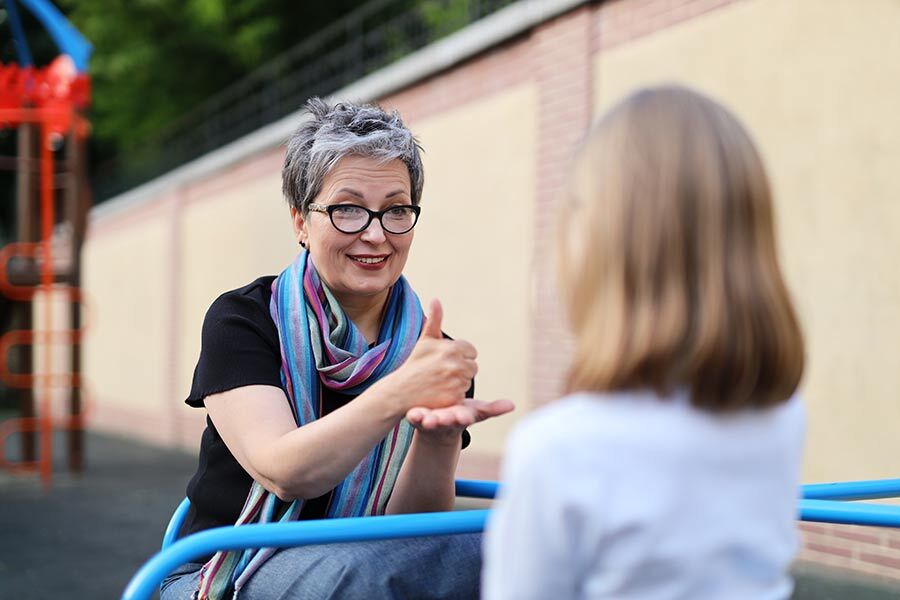
Selecting a suitable hobby is crucial for effective language acquisition. A hobby that genuinely interests you will foster consistent engagement, making the learning process more enjoyable and sustainable. Engaging with a hobby that aligns with your language learning goals will maximize the efficiency of your efforts.Choosing a hobby that genuinely sparks your interest is paramount for consistent engagement.
This active participation, fueled by intrinsic motivation, is essential for long-term language learning success. The right hobby acts as a catalyst, transforming language learning from a chore into an enriching experience.
Factors to Consider When Choosing a Hobby
Several factors should be considered when selecting a hobby for language learning. These factors encompass the learner’s existing skills, their preferred learning style, and the specific language goals they aim to achieve. Consideration of these aspects ensures the hobby effectively complements and enhances the language learning journey.
- Interest and Motivation: A hobby that genuinely excites you will naturally motivate you to engage with it consistently. This consistent engagement is critical for language learning success.
- Learning Style: Consider your preferred learning style. Are you a visual, auditory, or kinesthetic learner? Choosing a hobby that aligns with your preferred learning style can significantly improve the learning experience.
- Language Learning Goals: Define your specific language learning objectives. Do you aim to improve conversational skills, expand your vocabulary, or gain proficiency in a particular field? Choosing a hobby that directly supports these goals will maximize the effectiveness of your language learning.
- Available Resources and Time: Assess the resources available to you and the time you can dedicate to the hobby. A hobby that fits your schedule and requires accessible resources is more likely to be sustained.
Comparing Hobbies Based on Language Learning Potential
Different hobbies offer varying degrees of language learning potential. The extent to which a hobby supports language learning hinges on the interaction it fosters with the target language.
- Reading: Reading in the target language exposes you to authentic text, enhancing vocabulary and comprehension skills. Reading diverse materials, from novels to news articles, offers varied language exposure.
- Writing: Writing in the target language helps you practice grammar, sentence structure, and vocabulary. Writing journals, stories, or emails provides ample opportunities for active language practice.
- Watching Movies/TV Shows: Immersive exposure to the target language through movies and TV shows helps you develop listening comprehension and cultural awareness. Subtitles and repeated viewing can reinforce learning.
- Cooking: Cooking in the target language can enhance vocabulary related to food, ingredients, and cooking instructions. Following recipes and discussing culinary experiences with others offers opportunities for communication.
Tailoring Hobbies to Specific Language Learning Goals
Hobbies can be adapted to align with specific language learning objectives. This tailoring ensures the hobby directly supports the learner’s goals, maximizing the efficiency of language learning.
- Beginner Learners: Beginner learners might focus on hobbies that involve simple dialogues, such as learning basic greetings or engaging in simple conversations. Basic language exchange apps or online language learning platforms can be helpful tools for this.
- Intermediate Learners: Intermediate learners could explore hobbies that involve more complex dialogues, such as discussing current events or expressing opinions. Engaging in online forums or language exchange programs would support these objectives.
- Advanced Learners: Advanced learners might engage in hobbies that involve complex discussions, presentations, or research. Attending workshops, joining book clubs, or participating in professional development activities would be suitable choices for this stage.
Examples of Hobbies for Different Proficiency Levels
The following table Artikels some suitable hobbies for different language learning proficiency levels.
| Proficiency Level | Suitable Hobbies |
|---|---|
| Beginner | Learning basic greetings, simple conversations, using language exchange apps, watching children’s cartoons with subtitles. |
| Intermediate | Participating in online forums, watching movies/TV shows with subtitles, taking language classes, reading simplified books. |
| Advanced | Attending cultural events, joining language clubs, participating in debates, engaging in academic discussions. |
Integrating Hobbies into Language Learning Routine
Integrating your hobbies into your language learning routine is a highly effective and enjoyable way to make progress. This approach transforms language learning from a chore into an engaging activity, making it more sustainable and enjoyable over the long term. By linking your passions with language practice, you naturally find opportunities to use and improve your skills.This section details practical strategies for seamlessly incorporating hobbies into your language learning plan, providing concrete examples of how to use hobbies to practice specific language skills, and outlining a step-by-step guide to incorporate hobbies into your language learning journey.
We’ll also examine how to leverage hobbies to develop listening, speaking, reading, and writing skills, providing tangible examples of each.
Practical Strategies for Integration
By thoughtfully integrating your hobbies into your language learning routine, you can create a powerful and personalized learning experience. This involves consciously finding ways to use your hobbies to practice the target language. This could be as simple as listening to music or podcasts related to your hobby or engaging in online discussions with others about your hobby.
Using Hobbies to Practice Specific Language Skills
Effective language practice often involves targeted application of skills. Hobbies provide excellent opportunities for practicing different language skills. For example, if your hobby is cooking, you can use online recipes in the target language to practice reading comprehension and vocabulary building. Following along with cooking shows or online tutorials in the target language can enhance listening skills.
Step-by-Step Guide to Incorporating Hobbies into a Language Learning Plan
This structured approach facilitates the seamless integration of hobbies into your language learning routine.
- Identify your hobbies: List your hobbies and interests. Consider which ones align with your language learning goals and the target language culture.
- Find language-related resources: Locate online forums, podcasts, cooking shows, or other resources related to your hobby in the target language.
- Set realistic goals: Begin with small, achievable goals, such as listening to a short podcast episode related to your hobby each week. Gradually increase the difficulty as you progress.
- Practice consistently: Schedule dedicated time for your hobby-based language practice. This could be part of your daily or weekly routine.
- Seek feedback and review: Share your practice with language partners or teachers to receive feedback on your language use.
Language Skills Practice Through Hobbies
The following table demonstrates how various hobbies can be used to practice different language skills.
| Language Skill | Hobby Example | Practice Method |
|---|---|---|
| Listening | Watching foreign language cooking shows | Pay attention to pronunciation, vocabulary, and sentence structure. Take notes on new words and phrases. |
| Speaking | Joining an online gaming community | Participate in discussions, ask questions, and give directions in the target language. |
| Reading | Following foreign language blogs about your hobby | Focus on understanding the content and unfamiliar vocabulary. |
| Writing | Maintaining a journal about your hobby in the target language | Practice expressing your thoughts and experiences related to the hobby in the target language. |
Leveraging Hobbies for Specific Language Skills

Engaging in hobbies is not just about enjoyment; it’s a powerful tool for language acquisition. By connecting your passion with your language learning goals, you can significantly improve your proficiency across all four language skills: listening, speaking, reading, and writing. This approach fosters a natural and effective learning environment, as you actively use the language within a context that genuinely interests you.By incorporating your hobbies into your language learning routine, you create opportunities to practice and apply your knowledge in meaningful ways.
This active engagement helps cement vocabulary, grammatical structures, and pronunciation, making language learning more enjoyable and sustainable. Furthermore, this approach fosters a sense of purpose and motivation, which are crucial for long-term success.
Improving Listening Comprehension through Hobbies
Listening comprehension is essential for understanding spoken language in various contexts. Engaging in hobbies that involve listening to native speakers can significantly enhance this skill. For example, if your hobby is watching movies or TV shows in the target language, you can actively focus on understanding dialogues, accents, and cultural nuances. Podcasts related to your interests, such as cooking, technology, or history, provide further listening opportunities.
Regular exposure to authentic language input helps your ear become more attuned to the sounds and rhythms of the target language. Subtitles, initially helpful, can be gradually phased out to challenge and strengthen your listening skills.
Enhancing Speaking Skills through Hobbies
Speaking proficiency requires practice and confidence. Hobbies provide excellent opportunities for practicing your speaking skills. If your hobby is joining a book club or attending language exchange events, you’ll be encouraged to communicate in the target language, addressing various topics. Even if your hobby is playing an online game with native speakers, you can practice conversation skills, learn new vocabulary, and adapt your speech to different conversational styles.
Such interactive environments allow for immediate feedback and encourage fluency.
Improving Reading and Writing Skills through Hobbies
Reading and writing skills are interconnected. Reading materials relevant to your hobbies, such as articles, blogs, or novels, will expose you to different writing styles and enrich your vocabulary. Keeping a journal about your hobby in the target language, or creating short stories or poems based on your hobby, will significantly improve your writing skills. Moreover, analyzing the language used in these materials, understanding sentence structures, and identifying specific vocabulary related to your hobby will contribute to your overall language proficiency.
Active participation in online forums or social media groups related to your hobbies can help you further develop your writing and comprehension.
The Role of Immersion in Language Learning and Hobbies
Language immersion involves fully surrounding yourself with the target language. Hobbies play a critical role in fostering this immersion. If your hobby is cooking, and you cook following recipes in the target language, you’re actively using the language in a real-world context. Similarly, participating in a sport, playing music, or attending a hobby-related event in the target language environment enhances immersion, providing opportunities to interact with native speakers and immerse yourself in the culture.
This integrated approach leads to a more profound and nuanced understanding of the language and its cultural context.
Overcoming Challenges in Using Hobbies for Language Learning

Embarking on a language learning journey through hobbies can be incredibly rewarding, but it’s essential to anticipate and address potential obstacles. Understanding these challenges and possessing strategies to navigate them is key to sustaining motivation and achieving fluency. This section explores common pitfalls and provides practical solutions for maintaining engagement and progress.Language learning, even through enjoyable activities, can sometimes encounter hurdles.
These challenges, while inevitable, can be overcome with proactive planning and a flexible approach. Adapting your hobby to align with your learning goals and finding supportive resources are crucial for success.
Identifying Potential Challenges
Effective language learning through hobbies requires careful consideration of potential roadblocks. These may stem from the hobby itself, the learning process, or external factors. For instance, a hobby demanding a significant time commitment might clash with language learning routines, or the availability of native speakers for interaction could be limited. Recognizing these challenges allows for proactive strategies to address them.
Solutions for Overcoming Challenges
Addressing obstacles requires a multifaceted approach. A crucial step involves evaluating your time commitment. Prioritize language learning activities within your hobby and strategically allocate time slots. If a hobby is too demanding, consider scaling back or seeking ways to incorporate language learning into smaller, more manageable chunks of time. This flexible approach ensures sustained engagement without overwhelming your schedule.
Strategies for Maintaining Motivation
Sustaining motivation is paramount in any language learning journey. Setting achievable goals, tracking progress, and celebrating milestones are effective strategies. Rewarding yourself for reaching targets, whether it’s mastering a new vocabulary list related to your hobby or engaging in a conversation with a native speaker, fosters positive reinforcement.
Adjusting Hobbies to Maintain Engagement and Learning
Adapting your hobby to better integrate language learning requires creativity and flexibility. Instead of simply enjoying the hobby, actively seek opportunities to incorporate the target language. For instance, if your hobby is photography, you could focus on learning descriptive language to capture the nuances of a scene or participate in photography forums where discussions are in the target language.
This tailored approach fosters genuine language use within the context of your passion.
Examples of Strategies for Staying Motivated
Staying motivated involves finding ways to make language learning through hobbies a rewarding experience. Join online language exchange groups related to your hobby. These platforms offer opportunities to practice conversation and receive feedback from native speakers, fostering a sense of community and shared interest. Alternatively, consider creating a language learning journal specifically tailored to your hobby. Recording vocabulary, phrases, and observations related to your hobby in the target language will enhance memorization and reinforce the learning process.
Finding a study buddy, someone who shares your passion and language learning goals, can also be highly beneficial.
Resources and Further Exploration
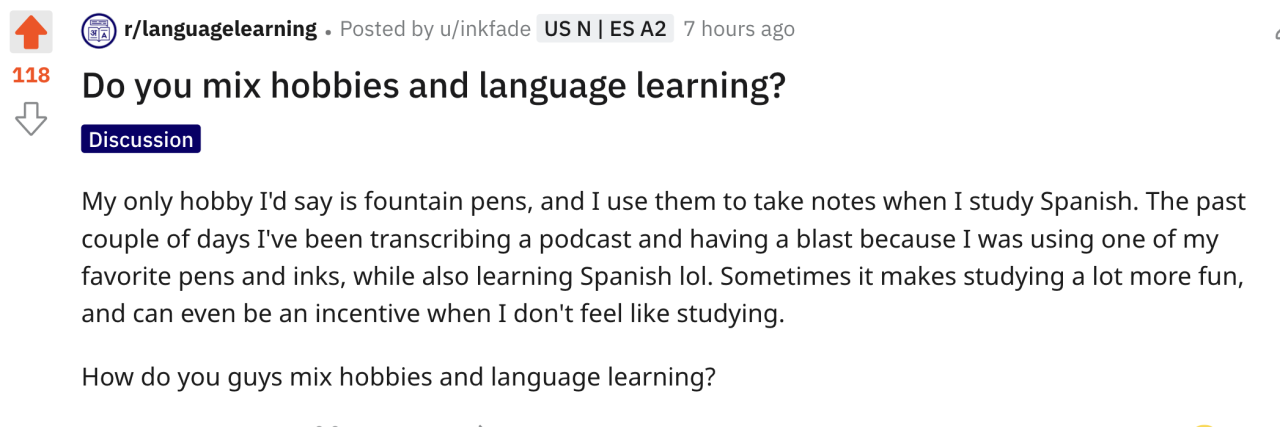
Embarking on a language learning journey using hobbies can be significantly enhanced by leveraging readily available resources. These resources can provide guidance, inspiration, and practical tools to optimize your learning process and maximize your enjoyment. This section Artikels valuable platforms and materials that can help you integrate hobbies into your language learning routine effectively.This exploration will cover various resources, including websites, apps, language learning communities, and other materials, to support your hobby-based language learning.
We will examine how these resources can help you find suitable hobbies, connect with language partners, and access supplementary learning materials.
Finding Hobbies Related to Language Learning
Numerous websites and apps can aid in discovering hobbies aligned with your language learning goals. Platforms like Meetup.com and Eventbrite often list language exchange events and activities catering to specific interests. Specific language learning apps may also offer curated lists of hobbies and activities.
- Meetup.com: A powerful platform for finding and joining groups based on shared interests. This can be particularly helpful for connecting with people who share your language learning goals and enjoy similar hobbies.
- Eventbrite: A similar platform to Meetup, Eventbrite offers a wider range of activities, including workshops, classes, and social gatherings. This can lead to valuable opportunities to practice your language skills in a relaxed environment.
- Language learning apps: Many language learning apps, such as Duolingo or Babbel, offer suggestions for hobbies and activities to incorporate language practice.
Language Learning Communities Focused on Hobbies
Active language learning communities often organize around specific hobbies. These communities provide opportunities to practice conversational skills, exchange cultural insights, and collaborate on projects related to your interests. They are often a valuable resource for language learners who want to connect with people who share their passions.
- Reddit: Subreddits dedicated to specific languages, hobbies, and cultural interests can be hubs for language learners seeking partners.
- Facebook groups: Facebook groups dedicated to specific languages, hobbies, or cultural activities can offer a supportive environment for language exchange.
- Online forums: Online forums dedicated to language learning can have sections or threads dedicated to hobbies and interests, providing a space to find and connect with language partners.
Books, Articles, and Podcasts on Hobbies and Language Learning
Numerous books, articles, and podcasts delve into the intersection of hobbies and language acquisition. These resources offer insights, tips, and practical strategies for integrating hobbies into your language learning routine.
- Books: Search for books on language learning methodologies that emphasize the role of hobbies in motivation and engagement. Look for books focusing on the benefits of immersive learning experiences.
- Articles: Educational websites, blogs, and magazines dedicated to language learning often publish articles that discuss the advantages of integrating hobbies into language learning strategies. Seek articles from reputable sources.
- Podcasts: Podcasts dedicated to language learning often feature interviews with language learners or educators who discuss the use of hobbies in their learning journeys. Look for podcasts that offer practical tips and strategies.
Using Social Media for Language Partners
Social media platforms can be effective tools for finding language partners who share similar hobbies. By targeting specific groups or using relevant hashtags, you can connect with individuals interested in the same activities as you.
- Instagram: Using hashtags related to your hobby and language, you can discover users who share your interest. Direct messaging can help establish connections.
- Twitter: Follow accounts related to your language and hobby, engaging in conversations and searching for language partners who share your interests.
- TikTok: Use hashtags associated with your language and hobby to find users interested in the same activities. Direct messaging or participating in relevant challenges can help you connect.
Case Studies and Real-World Examples
Learning a new language can be a rewarding but sometimes challenging journey. Fortunately, incorporating hobbies into your language learning routine can significantly enhance your motivation, engagement, and overall progress. This section will explore real-world examples of learners who effectively used hobbies to not only improve their language skills but also overcome common obstacles.Understanding how successful learners integrated their hobbies into their language acquisition demonstrates practical strategies for others to follow.
These case studies illustrate the tangible benefits of this approach and highlight the key elements that contribute to successful language learning through hobbies.
Successful Language Learners and Their Hobbies
A variety of hobbies can be effectively integrated into language learning. This integration can range from simple activities like reading books or listening to music in the target language to more complex pursuits like participating in sports or cultural events. The key is finding activities that genuinely interest you and align with your language learning goals.
- A student named Anya, passionate about photography, used her hobby to learn French. She traveled to France to document local scenes and conversations, immersing herself in the language through authentic interactions and real-life scenarios. This immersive approach greatly enhanced her language comprehension and fluency. Her enthusiasm for photography provided the motivation to consistently practice French.
- Another learner, Ben, a dedicated gamer, used online games with a built-in chat feature to improve his Spanish. Regular interaction with native speakers, combined with the enjoyment of the game, helped him to become more comfortable speaking Spanish and practicing vocabulary in a relaxed setting. His prior interest in games fueled his motivation to engage with Spanish conversation.
- Finally, a keen artist, Clara, found ways to combine her passion for art with her language learning journey. She practiced her German by documenting her art process in detailed descriptions, utilizing a language exchange platform to receive feedback from native German speakers. This interaction encouraged her to expand her vocabulary and learn grammar nuances related to the art world.
Overcoming Language Learning Hurdles with Hobbies
Hobbies can be particularly effective tools for overcoming common language learning hurdles, like speaking anxiety or a lack of conversational practice. The enjoyment associated with a hobby often makes language practice feel less like a chore and more like a fun activity.
- Many language learners experience anxiety when speaking a new language. For those learners, hobbies can provide a safe and engaging environment to practice. For instance, a learner who enjoys cooking might participate in online cooking communities using their target language to discuss recipes or exchange tips. The comfortable setting of a hobby can help alleviate speaking anxiety and boost confidence.
- Another common challenge is finding opportunities for conversation practice. Hobbies can facilitate this by providing built-in conversation partners. For example, a learner who enjoys hiking might join a hiking group or online forum where they can discuss trails, landscapes, or their hiking experiences in the target language.
Impact of Hobbies on Learner Confidence and Motivation
Hobbies provide a unique framework for fostering learner confidence and maintaining motivation. The intrinsic reward derived from pursuing a hobby often translates into a deeper engagement with the language learning process. The sense of accomplishment and progress within the hobby can further fuel language learning enthusiasm.
- The intrinsic motivation provided by a hobby can significantly impact language learning progress. For instance, a learner who enjoys playing music might use music theory as a basis to learn the vocabulary related to music in their target language. This integration makes learning more engaging and leads to greater motivation.
- A sense of accomplishment in a hobby can also strengthen language learning confidence. When a learner successfully uses their target language within a hobby, it reinforces their language skills and boosts their confidence. This positive feedback loop encourages continued language learning and practice.
Final Review
In conclusion, this exploration of leveraging hobbies for language learning underscores the remarkable potential for making language acquisition a more enjoyable and effective process. By aligning your interests with your language goals, you can significantly enhance your motivation and engagement, paving the way for remarkable progress. The strategies and resources provided in this guide will empower you to turn your passions into powerful tools for linguistic growth.